Making Organic Cotton Work for Farmers
What it really takes to make organic cotton viable for the people growing it.

From the ground up

Organic cotton has real benefits. For farmers, for ecosystems, and for the supply chains that depend on reliable, traceable fibre. But those benefits only materialise if the system around farmers actually works.

Many of the world’s organic cotton farmers are smallholders with limited land, limited capital, and limited margin for error. A failed harvest, an absent buyer, or a season without decent training support can undo years of progress. That’s the reality OCA works within.

OCA’s Theory of Change is built around this understanding. Lasting change at farm level requires the whole supply chain to commit: brands buying forward, implementation partners training and supporting farmers through the season, and systems that connect organic production to organic markets.

Our 2030 Strategy sets out how we accelerate that coordination. The goal is an organic cotton sector where supply is secure, integrity is verifiable, and the benefits reach the farmers who grow it.

The farmers we work with

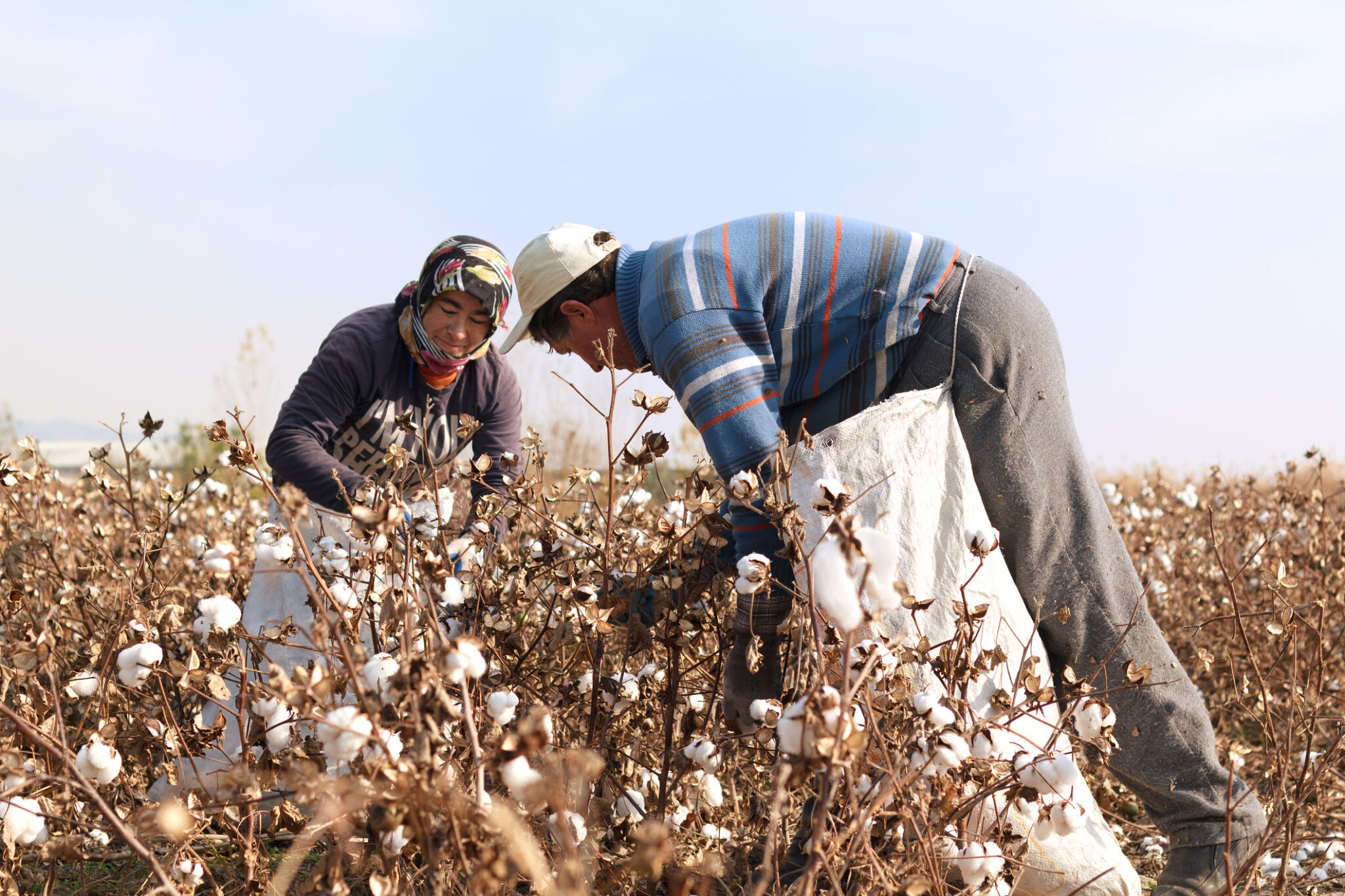
A significant group of smallholder farmers are, in practice, already farming organically. They never had the financial means to buy synthetic pesticides or fertilisers, and they farm much as their forefathers did. But farming in harmony with nature and meeting certified organic standards are two different things. Conversion is a real process: it takes years, consistent effort, agronomic knowledge, and the ability to absorb financial loss before certification comes through. That’s exactly where OCA steps in.

For these farmers, the challenge isn’t changing how they farm. It’s getting the recognition and market access they deserve for what they’re already doing, while navigating a certification process that can feel designed for someone else.

Transitioning conventional farmers to organic is not straightforward either. OCA’s experience shows that even with strong support in place, a significant proportion of farmers don’t complete the transition. Understanding why, and closing that gap, is central to how we keep improving the programme.

The real barriers to transition

Transitioning to organic cotton is a genuine commitment. It takes time, knowledge, and the right support at every stage. These are the factors that make the biggest difference:

Yield loss

Farmers moving away from synthetic inputs often see yields drop before the soil recovers and organic practices fully take hold. Without price premiums and forward purchase commitments from brands, this period is simply too risky for most smallholders to absorb on their own.

Insufficient training and support

Organic farming requires a different kind of knowledge. It’s not just removing chemicals; it’s building a different relationship with the land. Without consistent, practical agronomic support throughout the season, farmers often fall back on what they know. Good training isn’t a one-time event. It’s ongoing.

Falling back into conventional farming

Peer pressure, input availability, and short-term economic stress can all pull farmers back toward conventional practices, especially during a hard season. Being part of a community of organic farmers, with regular contact with trained agronomists, makes a genuine difference to whether farmers stay the course.

No route to the organic market

Farmers who grow certified organic cotton but can’t sell it at a premium have little practical reason to stay organic. OCA works to connect supply chains so that purchase commitments are in place before the season starts. The market has to be there before farmers can rely on it.

What matters most at farm level

Income is the starting point. Everything else follows from that. If organic cotton doesn’t pay, farmers don’t stay with it. It’s that straightforward.

OCA farmers benefit from two things that work together: lower production costs, because they’re not buying synthetic inputs, and a price premium on top of the market rate for their cotton. That combination, when it works, means organic farmers can earn as much as or more than conventional farmers in the same village.

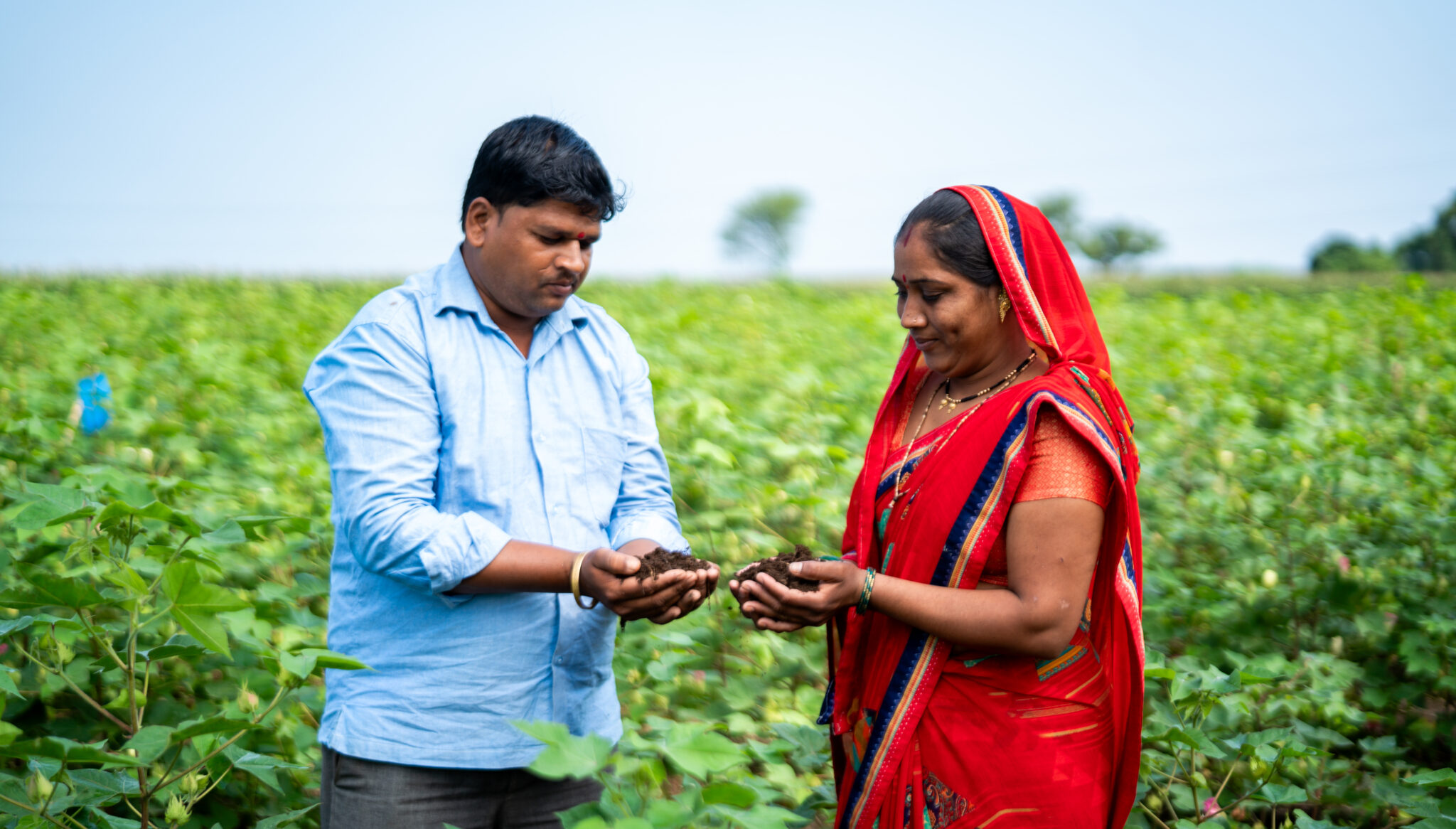
The broader environmental benefits of organic farming are real. Healthier soils, less chemical runoff, lower emissions. But for a smallholder farmer in a low-income context, these don’t translate into immediate financial returns. That’s why OCA is integrating systems like climate credits, designed to create additional, tangible, income stream for farmers from the environmental value they’re already generating.

Social benefits follow income. Representation within farming communities, stronger relationships with buyers, a sense of security about the coming season. These matter enormously to farmers, but they build on a foundation of economic viability.
What success looks like

Ask a farmer what success feels like two or three years into working with OCA, and the answer is simple and clear. Here’s what they describe:

Outcome 1 – Confidence their cotton has a buyer

Pre-season purchase commitments from brands remove the biggest source of anxiety. Knowing the crop has a buyer, at a fair price, before a single seed goes in the ground changes everything about how a farmer plans and invests.

Outcome 2 – Income that holds up against conventional farming

Organic farmers in OCA programmes consistently report earning as much as conventional farmers in the same area. That parity is what keeps farmers committed to organic over the long term.

Outcome 3 – Ongoing learning

Frequent, practical training in organic methods. Not a one-off workshop at the start of the season and nothing after, but a continuous learning relationship with experienced agronomists who understand local conditions.

Outcome 4 – Representation and community

Being part of an OCA project means having a voice within the farming community. That matters for morale, for knowledge-sharing, and for the collective ability to engage with buyers and partners.

Outcome 5 – Access to organic seed and inputs

Good seed, compost, and bio-inputs that are actually available when needed and affordable. Without reliable access to the right inputs, the rest of the system can’t function.

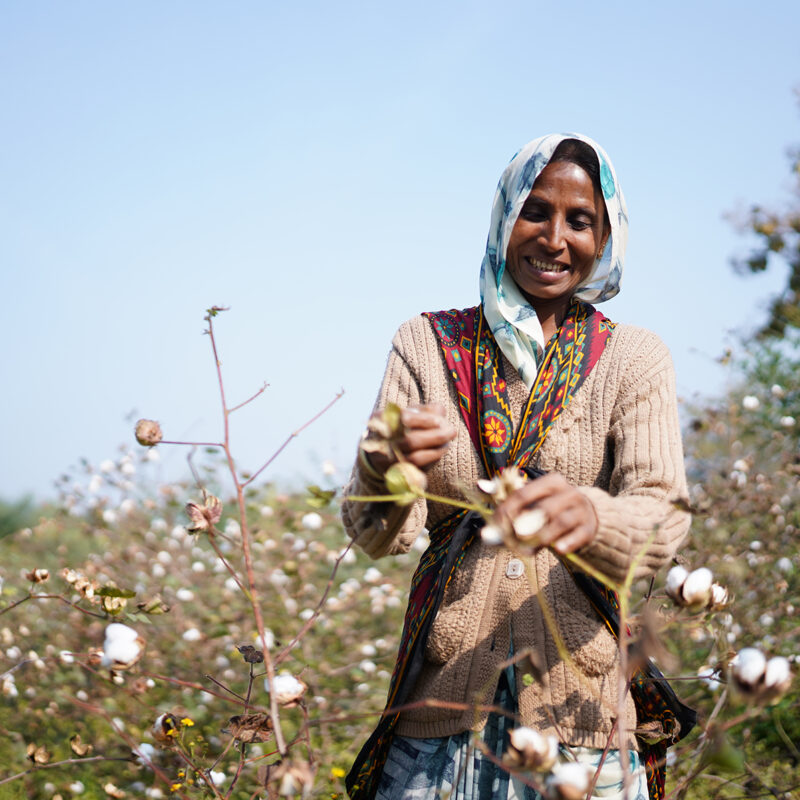
Woman working in organic cotton field

Join our mission

By 2030, we aim to achieve a transparent, responsible, and resilient organic cotton supply chain that promotes farmer prosperity and advances shared sustainability goals. The way forward is clear, but we cannot do it alone. Realising our vision requires a united sector. Join us in our mission to deliver positive change to farmers, brands, and customers who want to know their purchases are backing a fair and sustainable industry.