
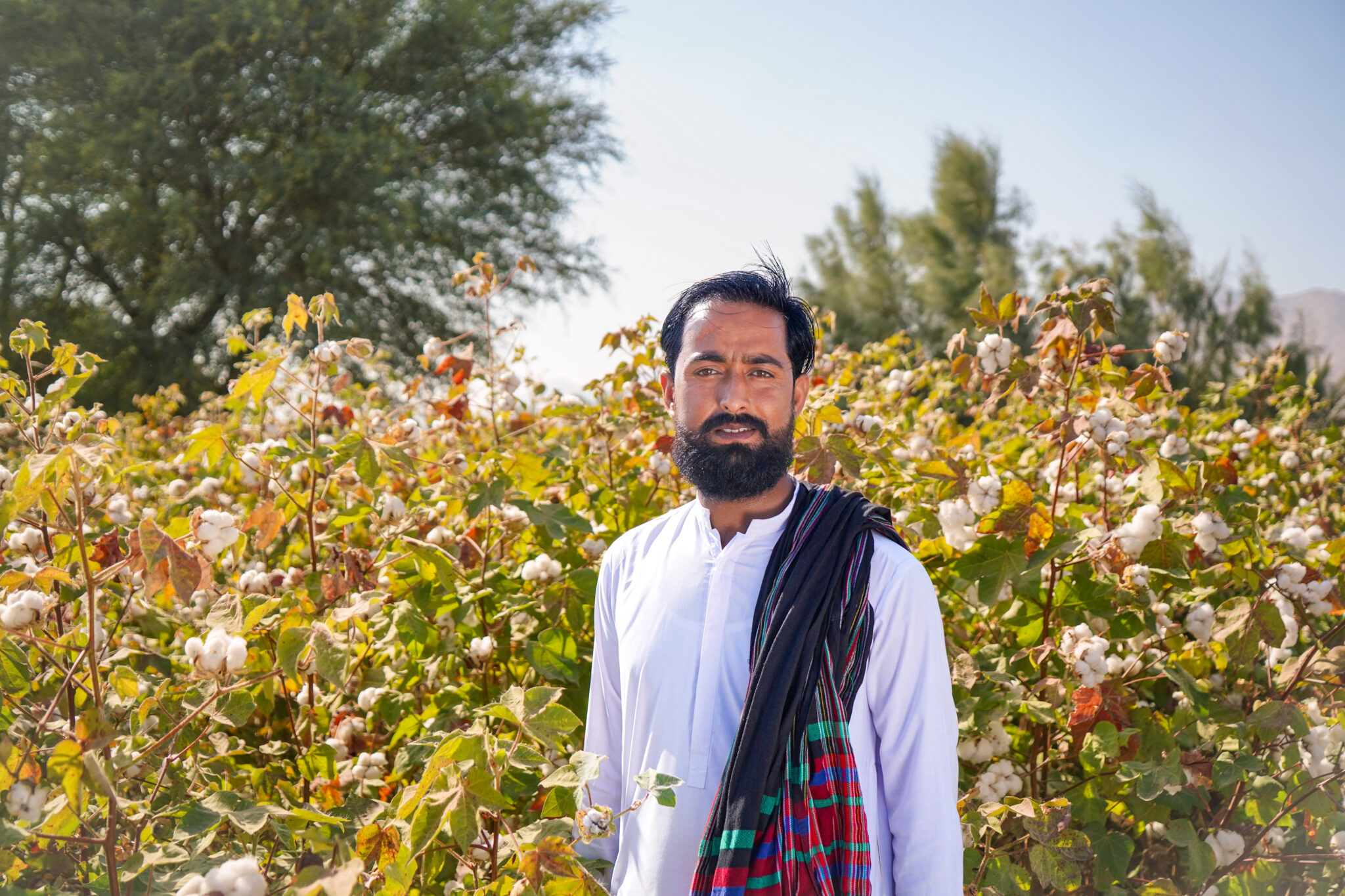
How organic cotton creates positive impact
At OCA, impact starts at farm level and extends across the entire cotton value chain.
By enabling farmers to transition to organic cotton and by aligning markets, partners, and data around shared outcomes, we create measurable improvements for people and the planet. Organic cotton is a pathway to stronger livelihoods, healthier ecosystems, and more responsible supply chains.
Our work focuses on three interconnected impact areas. Together, they reflect our ambition to drive change that is systemic, scalable, and grounded in the realities of farming communities.
Our impact areas:
A Healthier Planet
Better Working Conditions & Gender Equality
Farmer Prosperity & Livelihoods
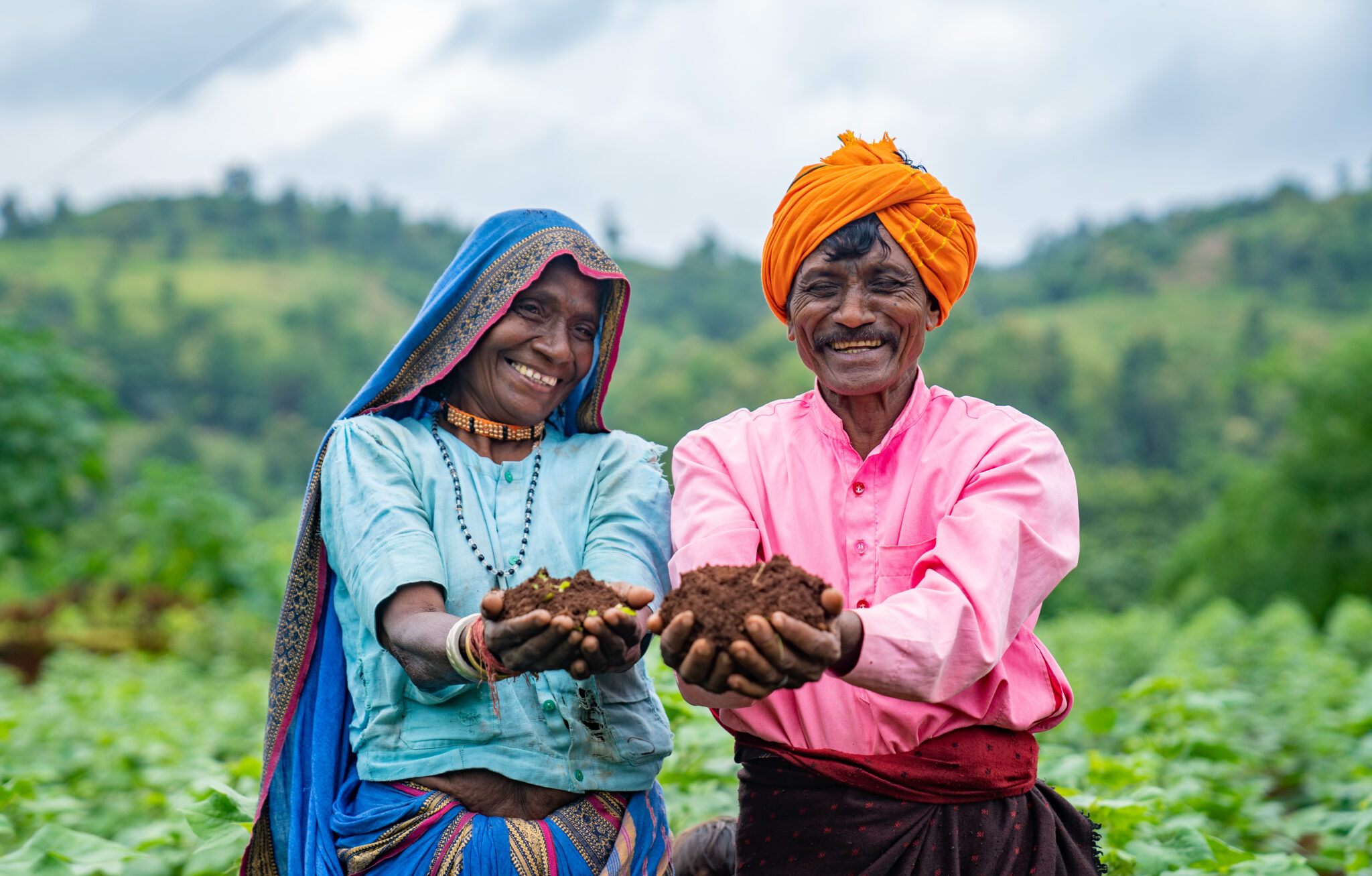
We support and incentivise farmers to practise organic cotton cultivation by securing long-term commitments with global brands and sourcing partners. These commitments create more predictable income, reduce risk, and enable farmers to invest in their farms and communities.
Through access to training, organic inputs, and secure markets, farmers are better equipped to withstand climate, market, and financial shocks. This strengthens resilience today while laying the foundation for long-term livelihoods.
Key impact outcomes:
- Higher income from organic cotton
- Progress toward closing the gap to a living income
A Healthier Planet
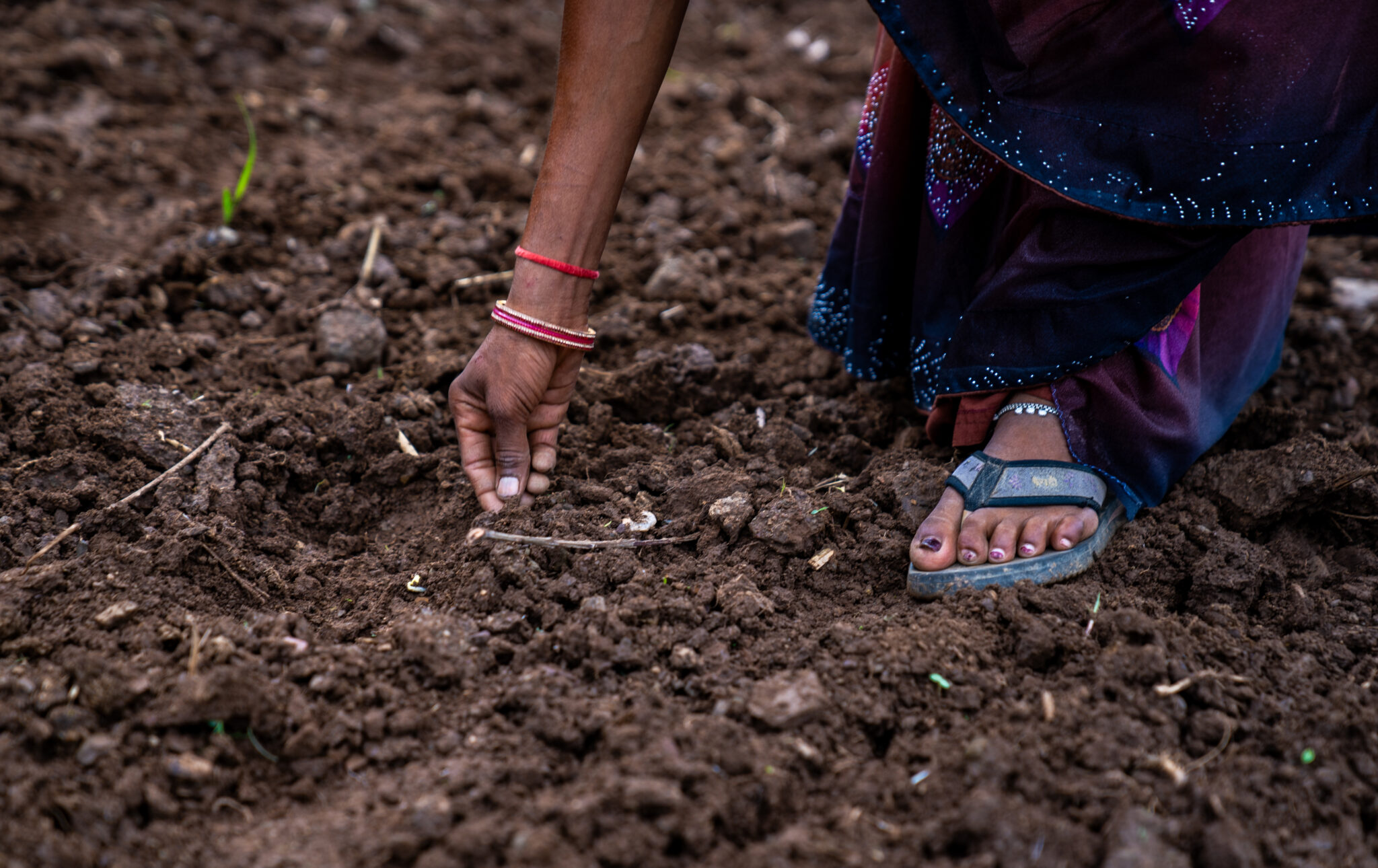
Organic cotton farming helps regenerate ecosystems and protect natural resources, delivering environmental benefits that extend beyond individual farms and across the wider landscape.
By eliminating synthetic pesticides and fertilisers, organic practices help rebuild soil health, protect biodiversity, protect water resources, and reduce greenhouse gas emissions. These improvements strengthen the resilience of farming systems while contributing to global climate and nature goals.
Our environmental impact focuses on protecting the natural resources that farming communities depend on today and for future generations.
Fertile soils for future generations
Healthy soils are the foundation of productive and resilient farms. Organic practices improve soil structure, fertility, and water retention, helping farmers adapt to changing climate conditions.
Reduced greenhouse gas emissions
Organic cotton systems rely less on fossil fuel-based inputs, contributing to lower emissions and more climate-resilient production systems.
Enhanced biodiversity on farms
Conventional farming practices, including intensive chemical use and monocropping, have contributed to significant biodiversity loss in many cotton-growing regions.
Conservation of water resources
Organic farming practices improve soil water retention and reduce pollution, helping safeguard freshwater resources in water-stressed regions.
Better Working Conditions & Gender Equality
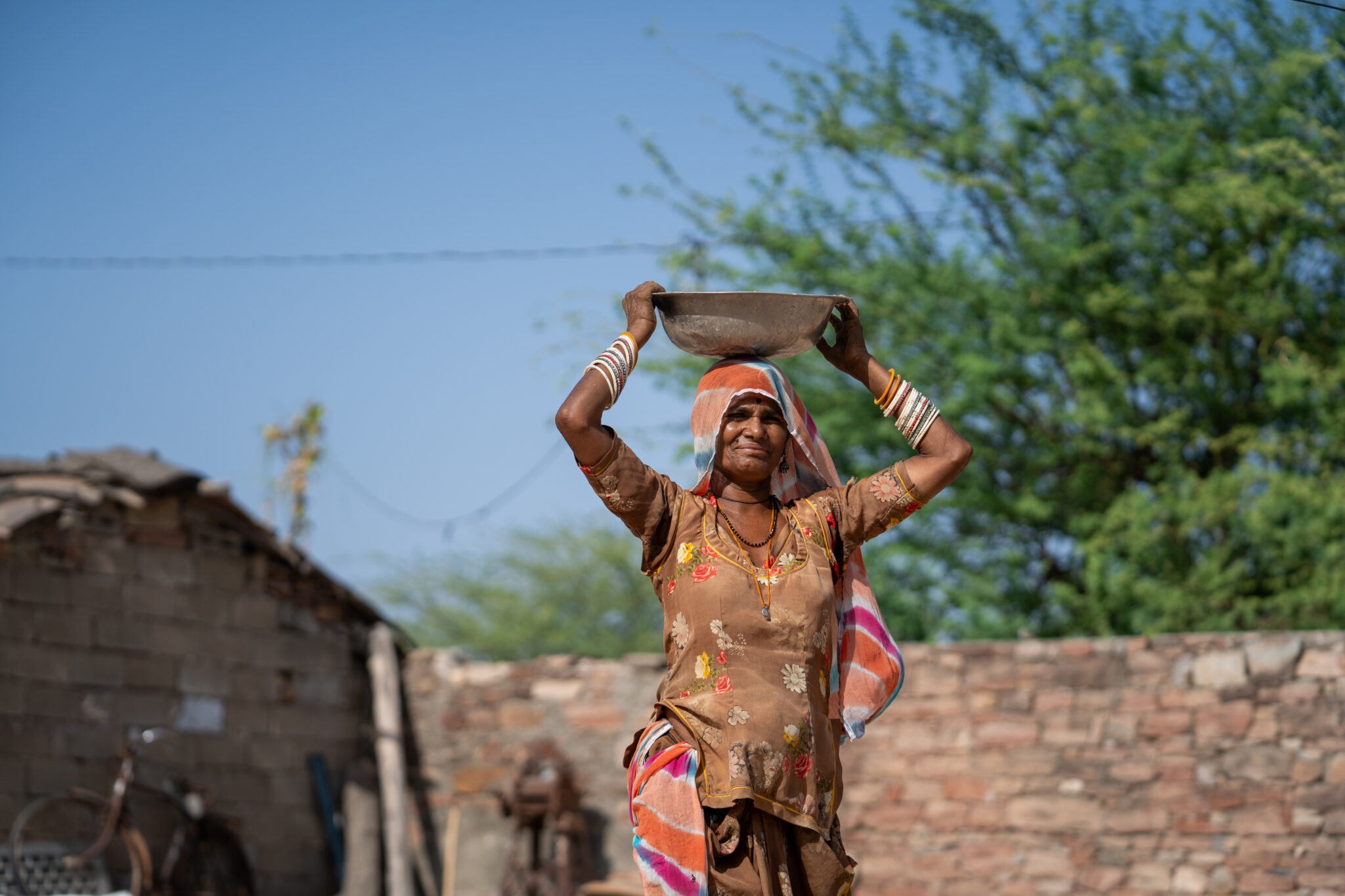
Sustainable agriculture must go beyond environmental practices to ensure safe, fair, and inclusive working conditions for the people who grow cotton.
Through our Decent Work Strategy, we work closely with Implementing Partners and farming communities to strengthen awareness, systems, and practices that support healthier and safer workplaces, responsible labour conditions, and stronger community well-being. A key priority is advancing gender equality by increasing the participation, skills, and leadership opportunities of women in farming communities, ensuring they have access to training, income opportunities, and decision-making roles.
By integrating decent work and gender equality into our programmes, we aim to create farming systems where environmental sustainability, social responsibility, and economic resilience go hand in hand.
Key focus areas:
- Better working conditions on farms
- Empowered women in farming communities

From impact to action
Our impact areas are deeply interconnected. Progress in one strengthens outcomes in the others.
By aligning farmer prosperity, environmental regeneration, and decent work, we create a holistic model for genuinely sustainable cotton that works for people, nature, and the supply chain.
Join our mission
By 2030, we aim to support a resilient and responsible cotton sector where organic cotton drives positive change. Each transition to organic can strengthen farmer livelihoods, regenerate ecosystems, and build more sustainable supply chains. Together with partners across the sector, we are accelerating the Organic Cotton Effect for the benefit of people, nature, and future generations.