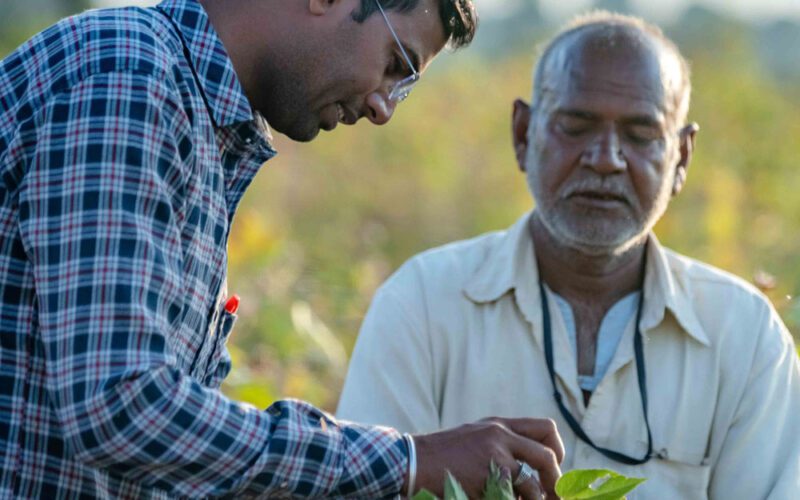
Increased net income
Higher net incomes from organic cotton compared to local conventional farmers. OCA farmers have lower production costs as they avoid chemical inputs and they receive premium payments on top of the market price for their cotton.

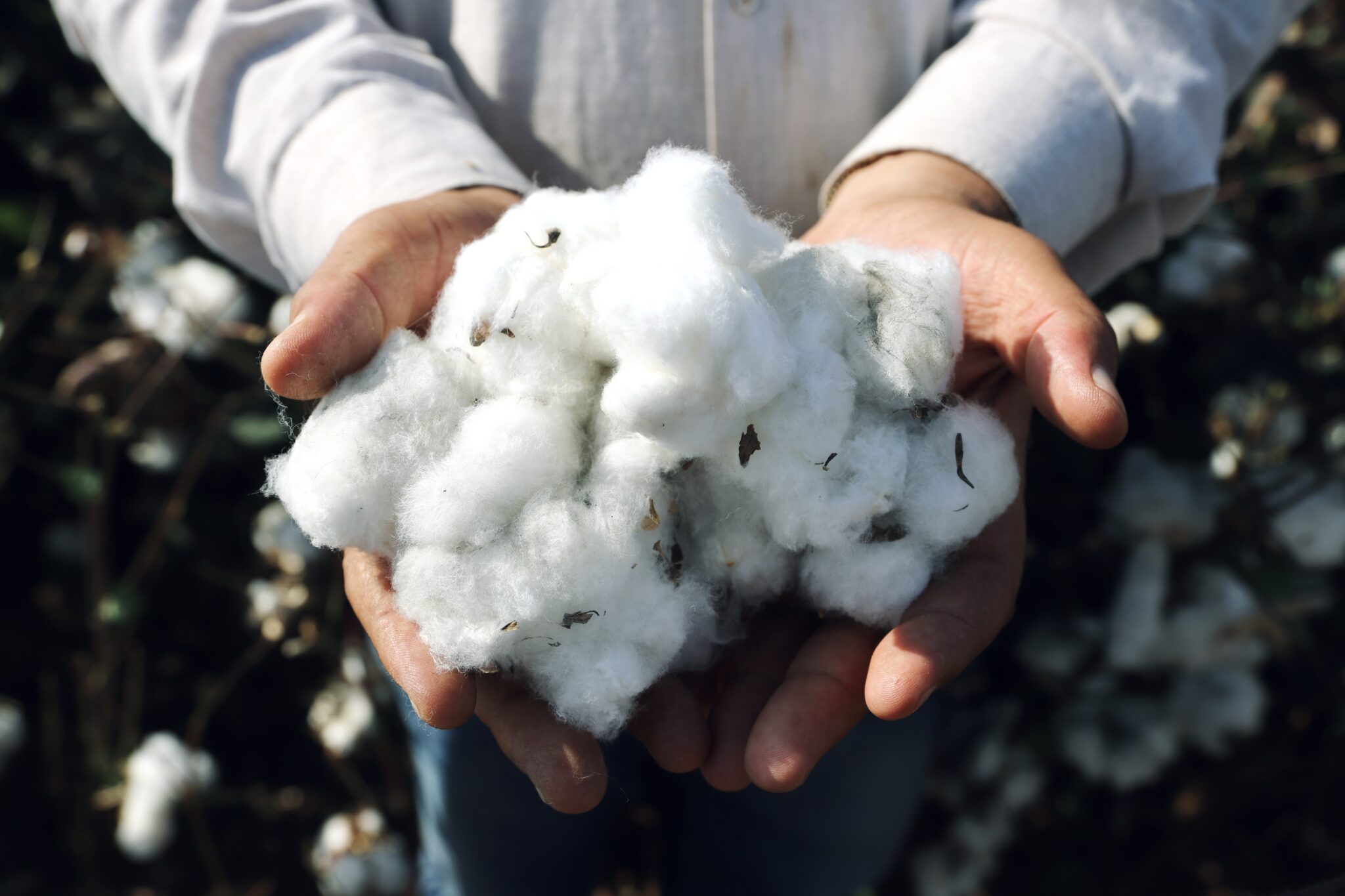
Organic cotton is grown in agricultural systems that work with nature rather than against it. By eliminating synthetic pesticides and genetically modified seeds, organic cotton offers an alternative production model with proven benefits for farmers, ecosystems, and the transition toward a more sustainable textile sector.
Today’s global food and agricultural systems face significant challenges. Biodiversity is declining at unprecedented rates, soils are degrading, and agriculture contributes substantially to greenhouse gas emissions. At the same time, millions of farmers remain vulnerable to climate change and economic instability, even though they play a critical role in producing the raw materials the world depends on.
Organic agriculture offers a pathway toward more resilient systems. By relying on ecological processes, biodiversity, and locally adapted practices, organic farming can help restore soil health, protect water resources, and strengthen farm-level resilience while reducing dependence on costly external inputs.
When supported through stable markets and collaborative action across supply chains, organic cotton can contribute to addressing wider challenges such as climate change, biodiversity loss, and rural livelihoods while supporting a more responsible textile industry.
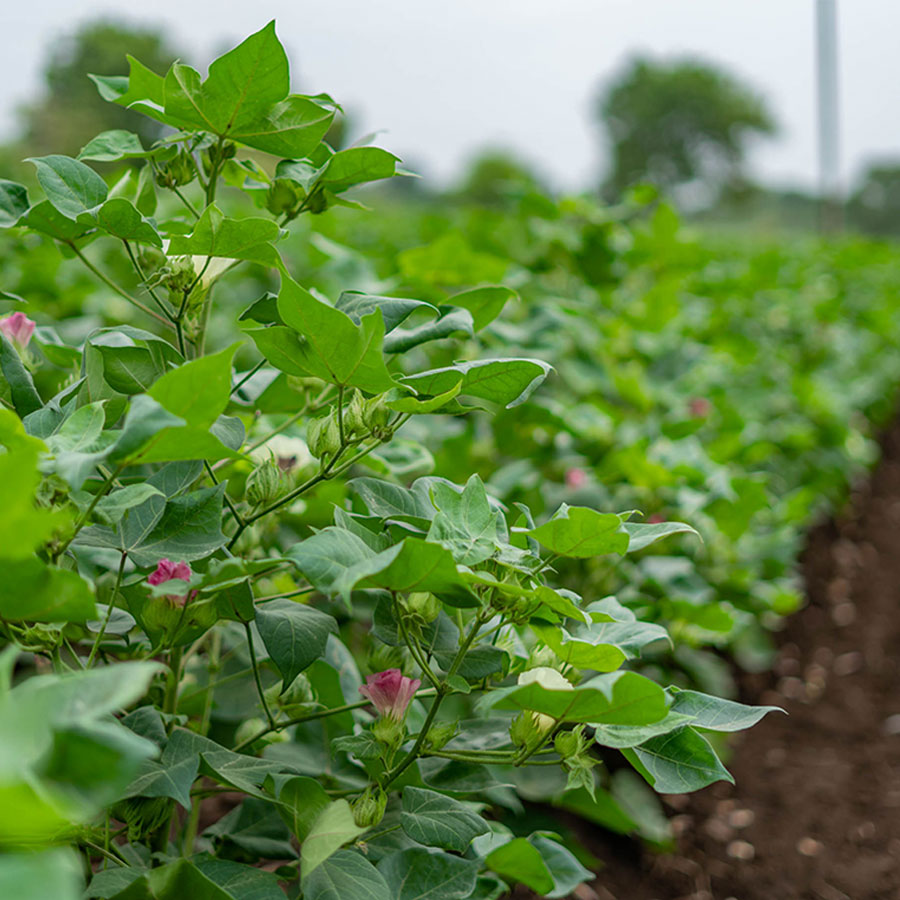
If you want to understand the benefits of organic cotton, you need to go to the very beginning of the cotton value chain – the seed, the farm. Organic farming combines tradition, innovation and science to benefit the environment, promoting fair relationships and improved quality of life for all.
Unlike organic, conventional cotton production is known to contribute to biodiversity loss and threaten the livelihoods and health of farming communities through soil degradation, excessive water use, and chemical pollution with no added benefit.
Organic farming systems truly have the potential to serve as a model for more sustainable, regenerative production which empowers farmers and supports the environment. Though these benefits are significant, the supply of organic cotton is still small in comparison to conventional cotton.
This is one of the reasons why OCA supports farmers during the in-conversion process and mobilises the textile industry to invest at the farm level during this transition.
Organic farming, and being part of an OCA project, can provide a clear route to improved livelihoods and long-term prosperity for organic farmers. Farmers who participate in OCA’s programmes experience the following direct benefits:
Higher net incomes from organic cotton compared to local conventional farmers. OCA farmers have lower production costs as they avoid chemical inputs and they receive premium payments on top of the market price for their cotton.
Brands participating in OCA’sFarm Programme make purchase commitments against a better price early in the season, and they invest in services which support farmers – giving farmers a much needed sense of security.
By working within a system that supports both farmers and the environment, organic farmers are able to meet the needs of the present without compromising the ability of future generations to meet their own needs.
Organic cotton doesn’t just change the way cotton is farmed, it reshapes the way textiles are made, marketed, and experienced. For brands, manufacturers and the broader textile value chain, sourcing organic cotton brings advantages that go far beyond a raw material choice:
Because organic cotton is grown without synthetic pesticides, fertilisers or genetically modified seeds, it significantly lowers the environmental footprint of textile production. It cuts water use, reduces pollution and supports healthier soil and ecosystems, helping textile producers move towards net‑zero and eco‑friendly goals.
Organic certification systems like GOTS and OCS ensure transparency and accountability from farm to finished product. This means less risk of greenwashing and more verifiable sustainability credentials for textile brands and retailers.
Demand for sustainable textiles is growing fast. Shoppers increasingly choose products with clear environmental and social benefits, and organic cotton gives brands a credible way to meet that demand. Products made with organic cotton often command premium pricing and build stronger loyalty among eco‑aware consumers.
Organic cotton fibres tend to retain their natural strength and softness because they are not weakened by harsh chemicals. This can translate into fabrics that feel better, wear longer and align with quality expectations for sustainable fashion and home textiles.
Organic cotton is biodegradable and integrates well into circular business models. Paired with ethical sourcing and fair labour standards, it helps textile companies demonstrate commitment to environmental stewardship and human rights throughout their supply chain.
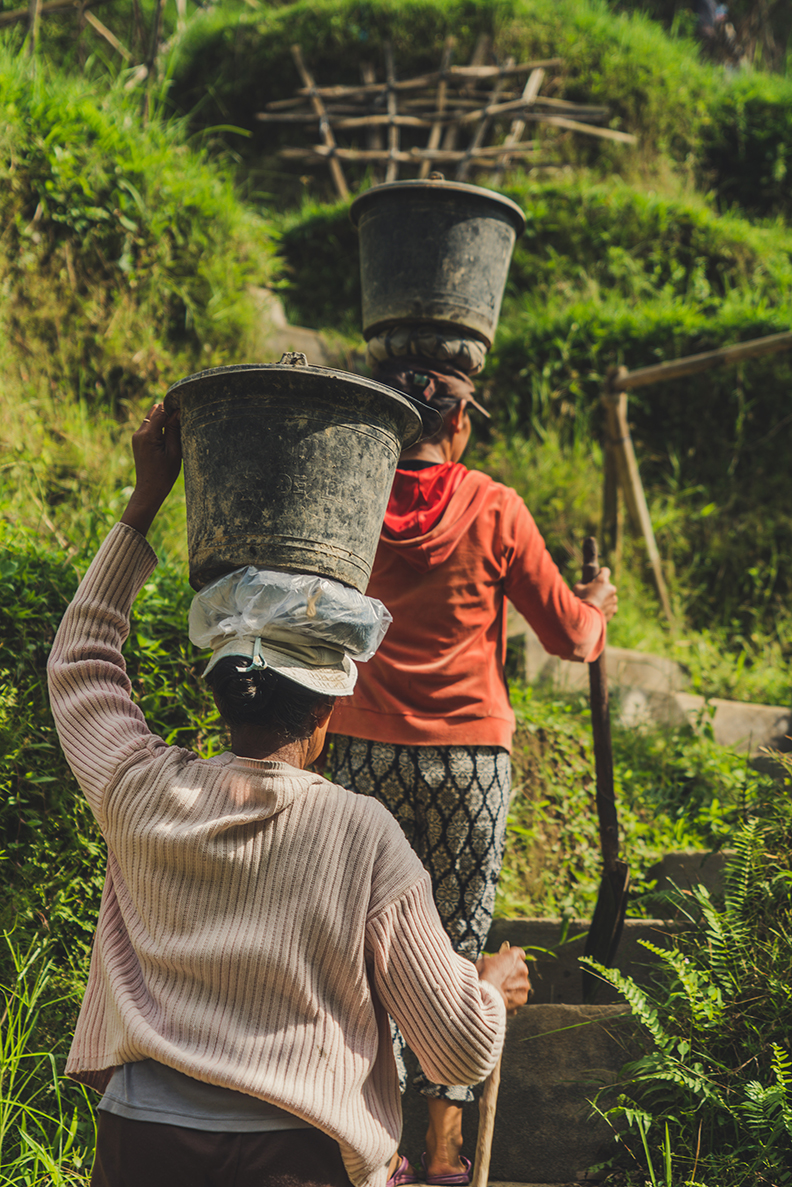
Organic cotton farming plays a crucial role in conserving water. By improving soil health and structure, organic practices enhance water retention, reduce the need for irrigation, and prevent pollution from entering freshwater sources. Healthy soils act like sponges, capturing rainwater and allowing it to seep slowly into the ground, supporting crops even in water-stressed regions.
Key ways organic agriculture supports water conservation include:
These practices help safeguard freshwater resources, support resilient farming systems, and contribute to a more sustainable textile supply chain.
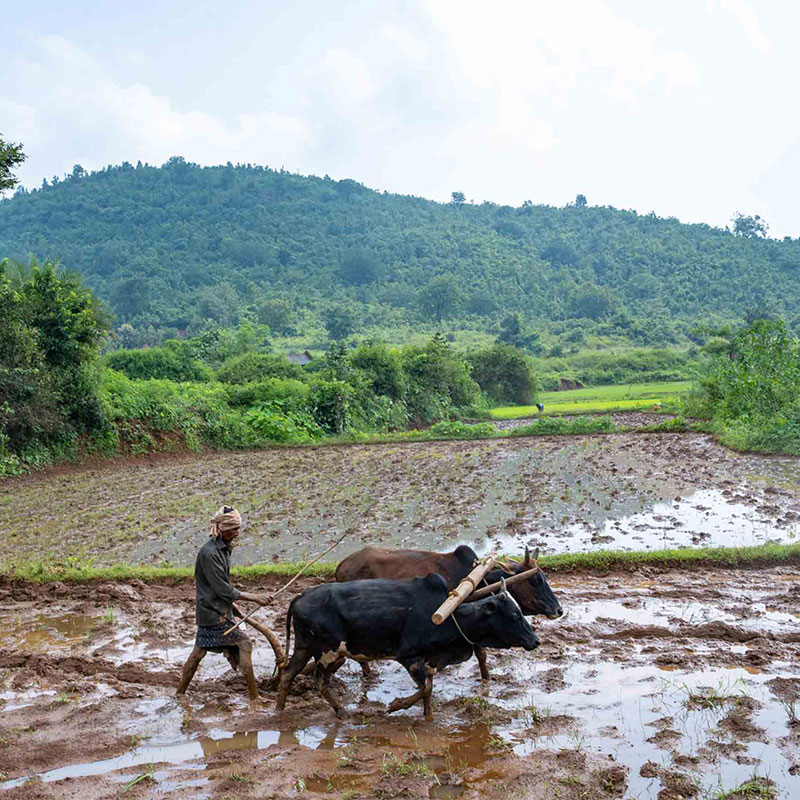
Organic cotton farming offers a powerful way to fight climate change while supporting resilient agricultural systems. By avoiding synthetic fertilizers and focusing on healthy, living soils, organic practices reduce greenhouse gas emissions, capture carbon, and lower overall energy use.
Key ways organic agriculture tackles climate change include:
Through these practices, organic cotton not only helps slow climate change but also builds stronger, more sustainable farming systems.
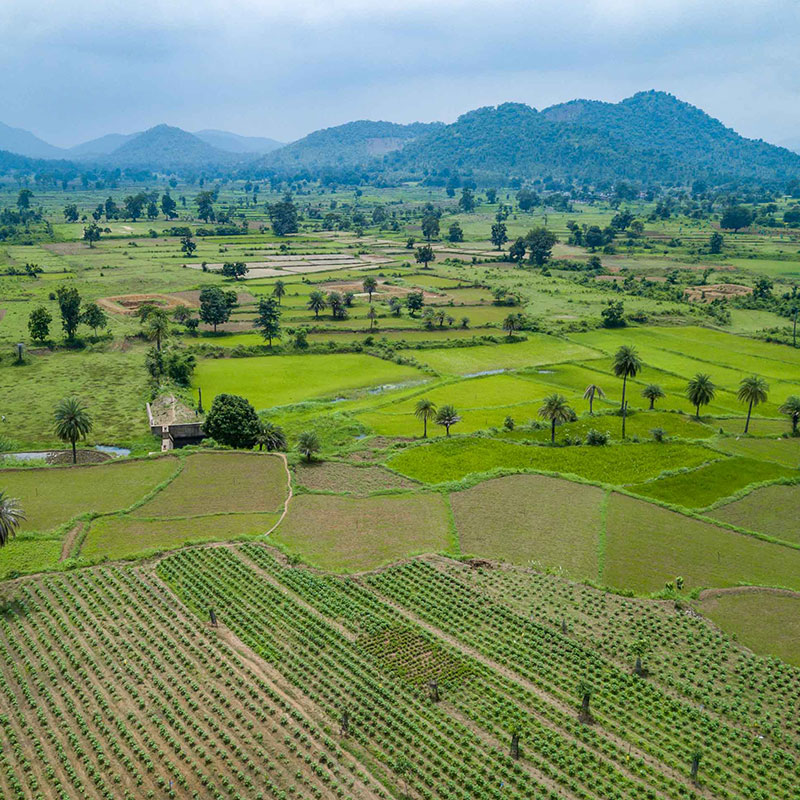
Organic cotton farming actively nurtures biodiversity, creating healthier soils, ecosystems, and farming landscapes. By following organic principles, farms can support a wide range of species and maintain the natural balance of the environment.
Key ways organic agriculture boosts biodiversity include:
These practices help create resilient farm systems that coexist harmoniously with nature.
Organic cotton relieves water pressure in a number of ways: Its production tends to require significantly less water, it is far less polluting and it leads to a number of other social, economic, agronomic, and environmental benefits.
Organic standards do not stipulate irrigation methods, however, 80% of land producing organic cotton is located in areas that are predominantly rainfed, not irrigated*. Rainfed production is much less water-intensive than irrigated systems and does not have a major impact on the availability of water.
* Source: Shepherd, H., 2019
Organic agriculture is a holistic production system that sustains the health of soils, ecosystems, and people. It relies on ecological processes, biodiversity and cycles adapted to local conditions, rather than the use of inputs with adverse effects.
The IFOAM standards define organic production as a system that conserves and contributes positively to biodiversity*. Conventional production systems, on the other hand, are known to contribute to biodiversity loss through soil degradation, excessive water use, habitat loss, and chemical pollution.
* Source: IFOAM, 2020
Organic farmers use holistic soil-management strategies that increase soil organic matter and boost the diversity of soil microorganisms, which is fundamental in supporting soil health. In return, healthy soil acts like a sponge, soaking up water during floods and holding it for longer during droughts*.
* Source: Textile Exchange 2017a
Organic farming has great potential to mitigate global warming, through carbon sequestration and lower input of fossil fuel-dependent resources. Significant greenhouse gas emissions are avoided in organic farming by replacing nitrogen fertiliser, which contributes significantly to GHG emissions, with organic alternatives.
Further global warming potential is mitigated by the high carbon sequestration capacity of soil rich in organic matter and through a number of practises promoted in organic systems including improved tilling, green mulching, and choice of cover crops.
Cotton provides versatility, comfort, and durability unmatched by other fibres. Organic cotton in particular serves as a living example of how positive environmental change and productivity can coexist in an industry that helps drive economic development around the world.
As a global commodity, cotton plays a major role in the economic and social development of emerging economies and newly industrialised countries. Although there are challenges to be addressed in producing cotton within planetary boundaries, mankind depends on it as an essential crop for supporting livelihoods and providing fit for purpose, recyclable, renewable, and natural material for many purposes