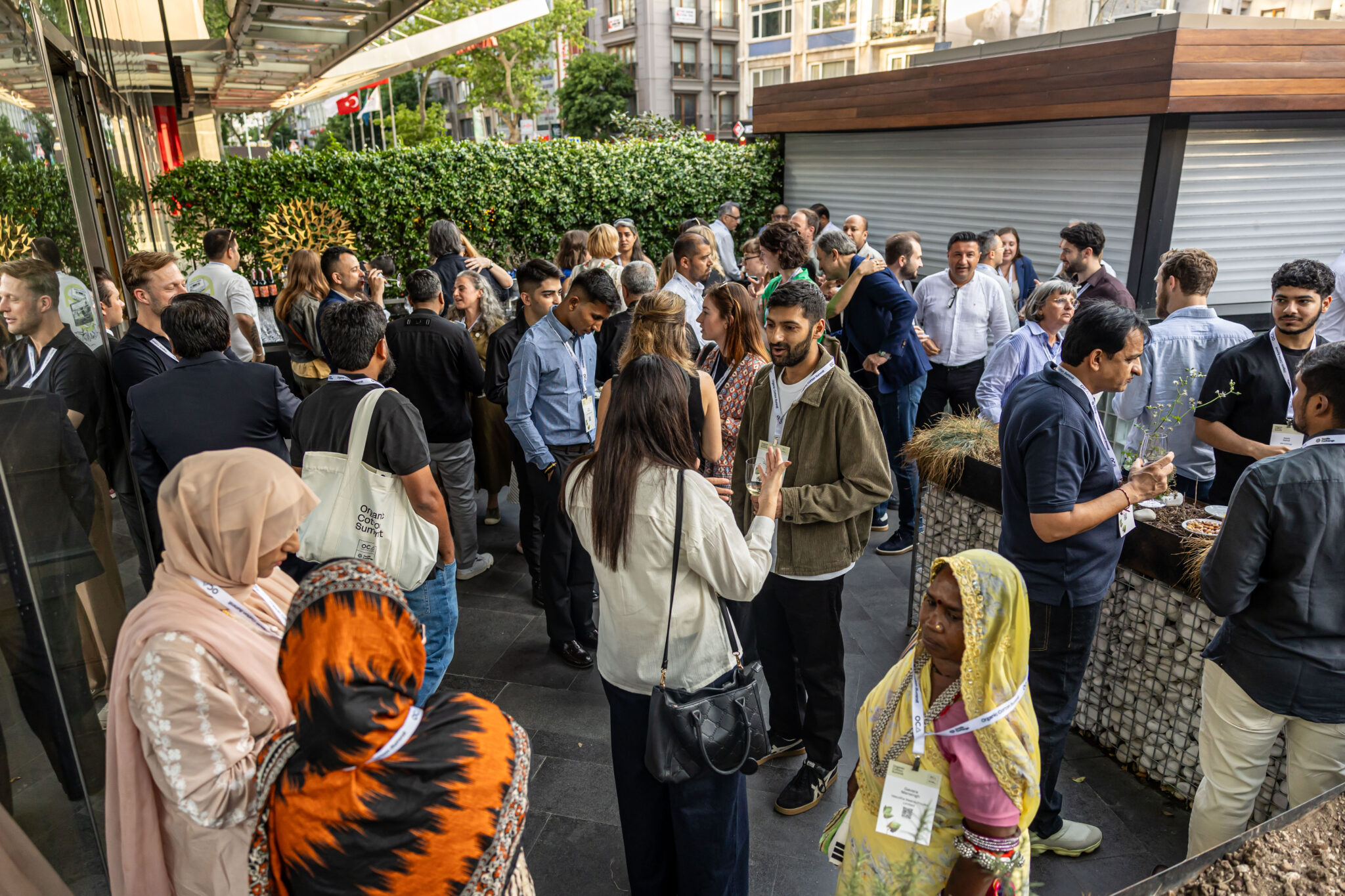
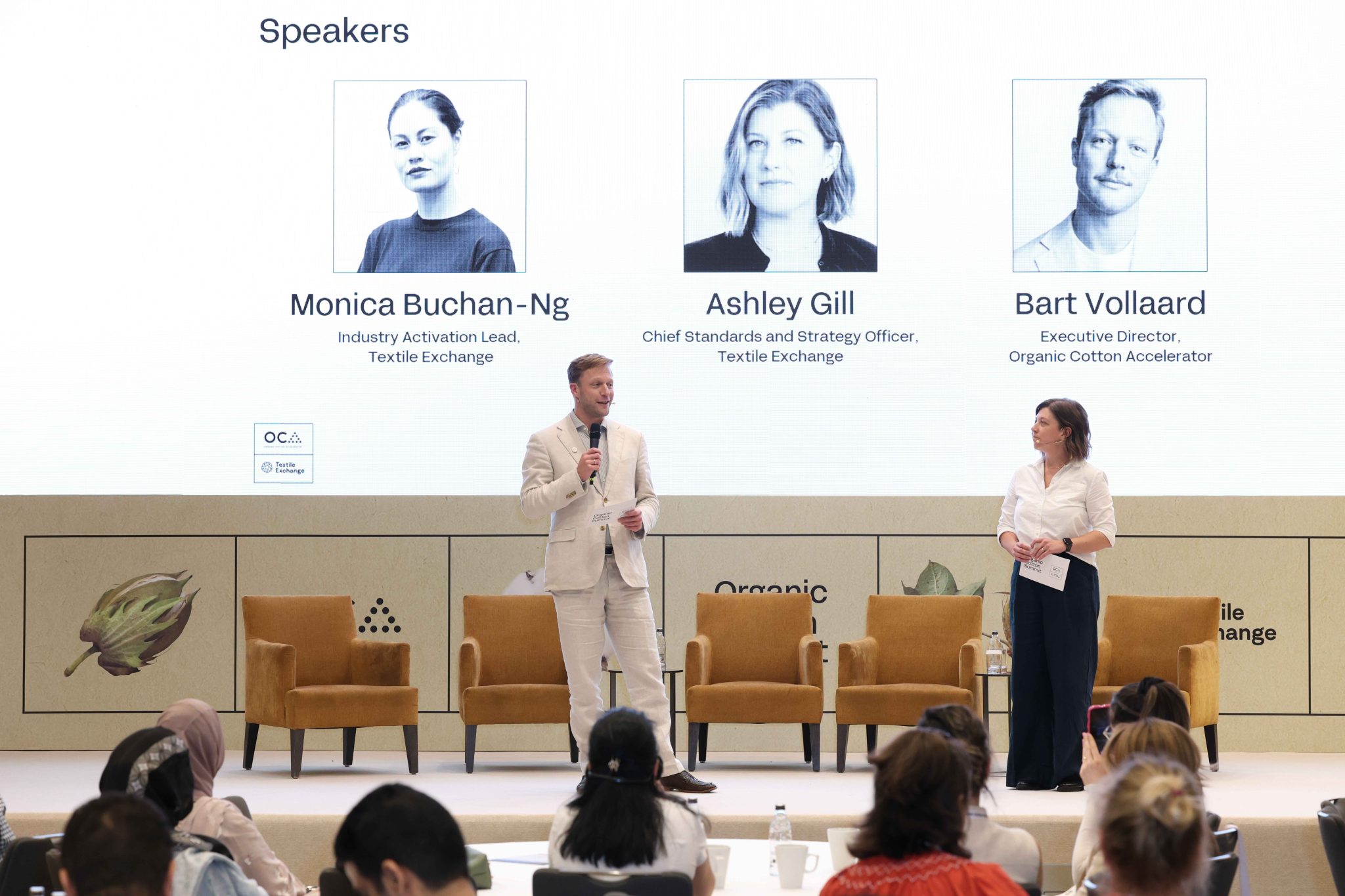
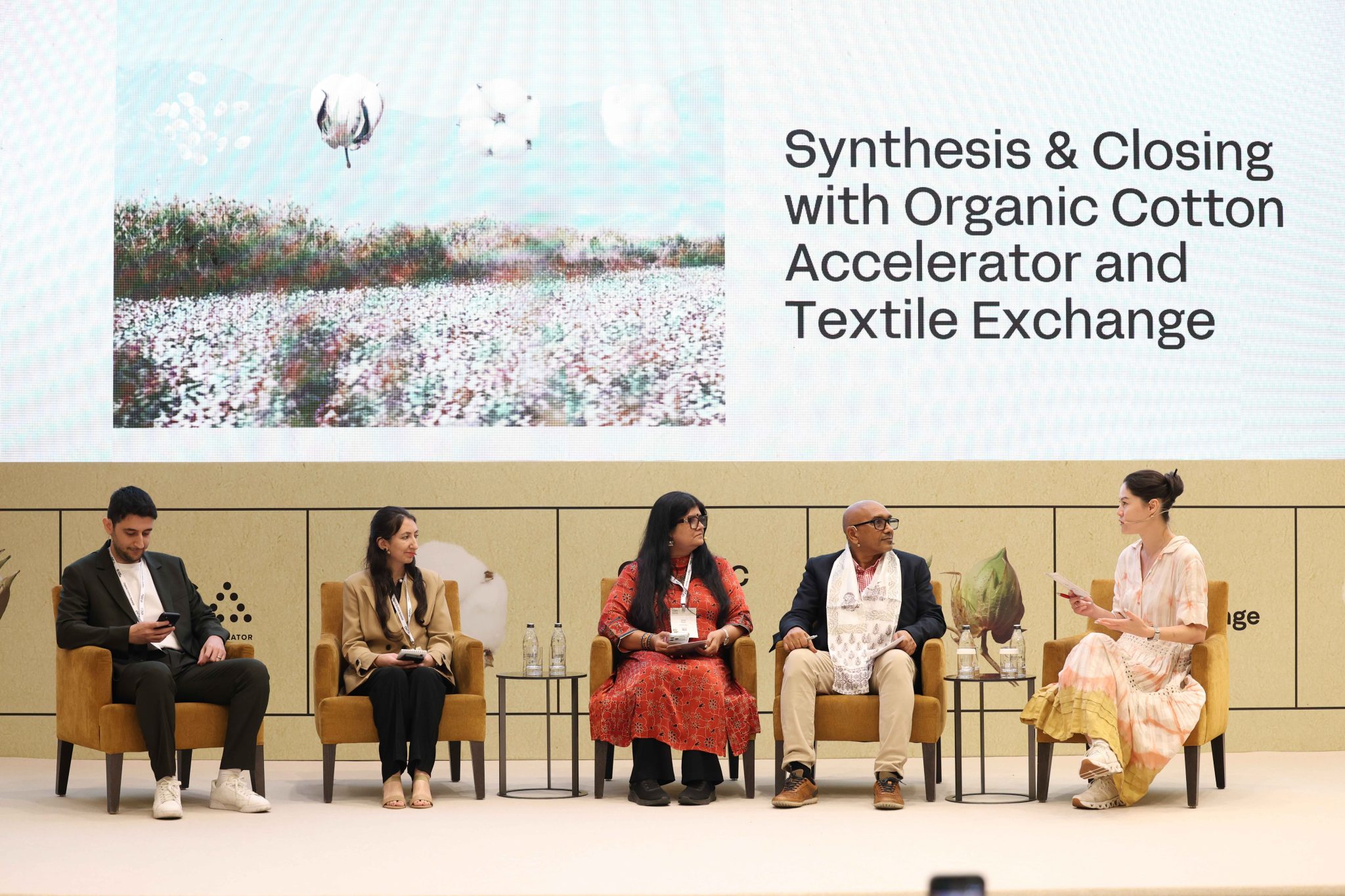
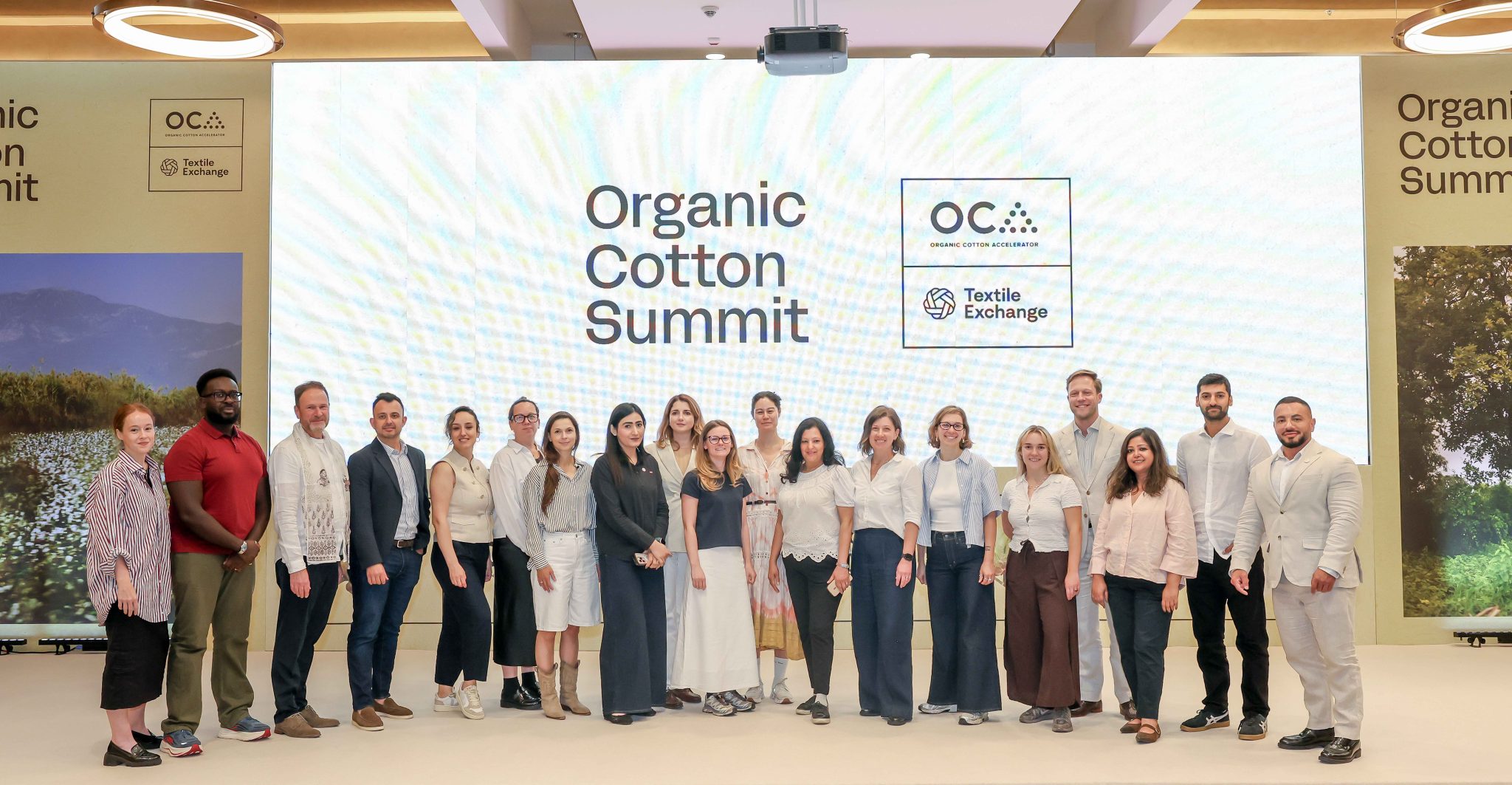
Hosted by the Organic Cotton Accelerator and Textile Exchange, the Organic Cotton Summit brought voices from across the organic cotton ecosystem to Istanbul on 2–3 June 2026, with a field trip to Aydın on 4 July.
OCA and Textile Exchange operate across different parts of the organic cotton system, but share the same ambition: helping build a more resilient, credible, and impactful future for organic cotton. Co-hosting the summit was a deliberate signal that scaling organic cotton requires that kind of joined-up effort, especially at a moment when the sector is navigating climate pressures, tightening regulation, and growing expectations around traceability and due diligence.
At the same time, organic agriculture aligns with the fashion and textile industry’s growing expectations around preferred production systems, verification, and traceability. Bringing a broad cross-section of the global organic cotton community together, the summit gave participants the opportunity to share lived experience and practical insights. Here are some of the key takeaways.
Key takeaways: Day 1
Day one’s conversations brought together perspectives from across the organic cotton supply chain, from farmers and brands to producers and policymakers.
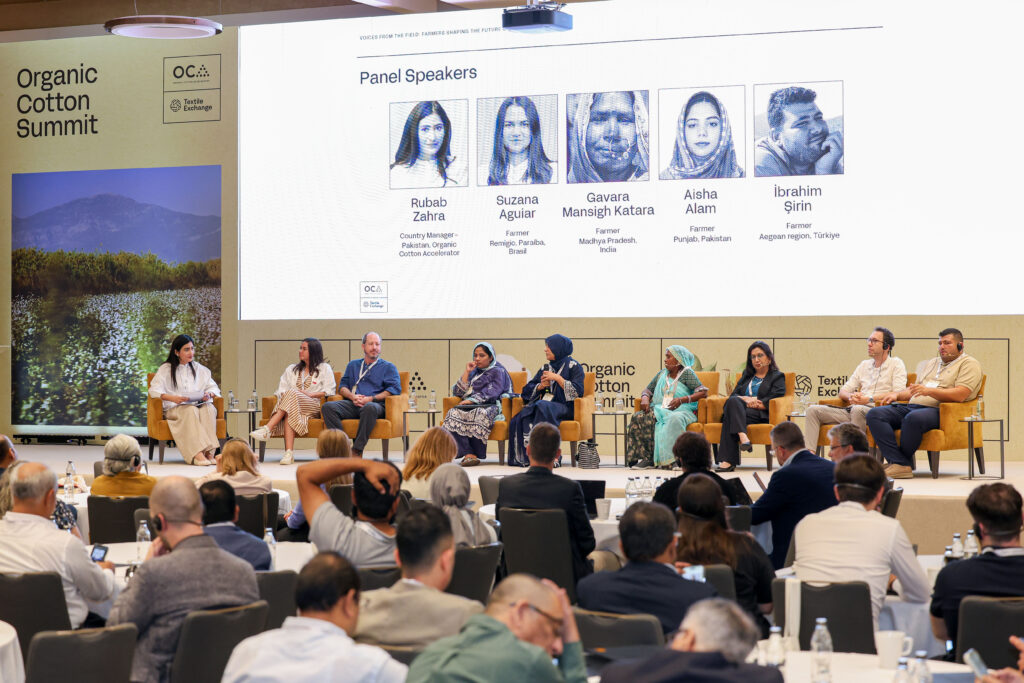

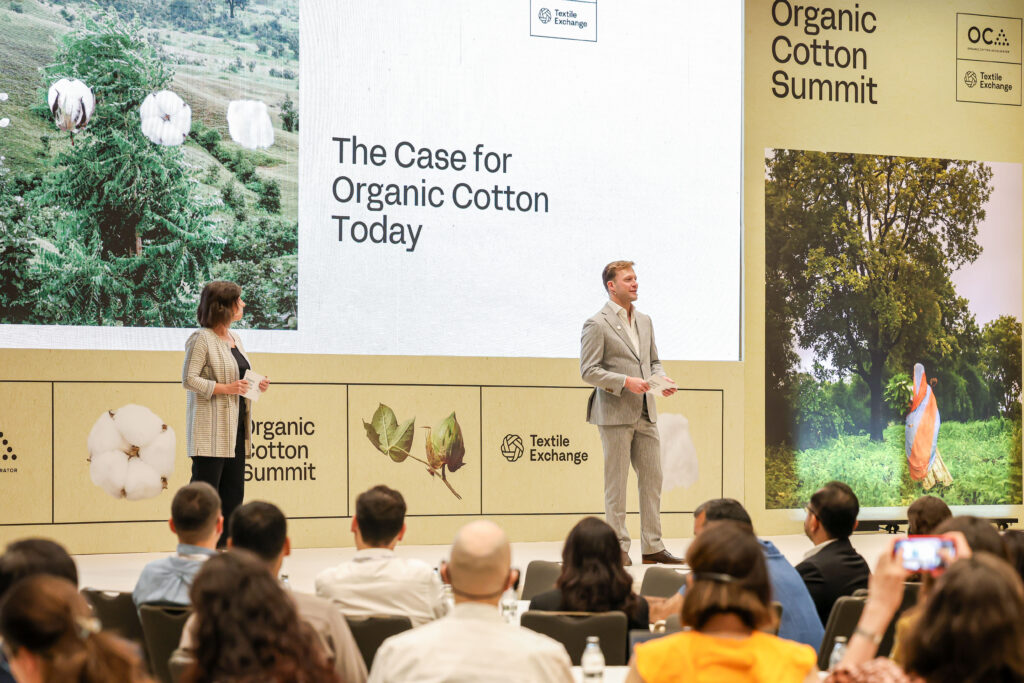
Organic agriculture is a proven solution, and policy is catching up
Paul Holmbeck of IFOAM Organics International made the case that organic farming is not a niche alternative but a central response to the climate and biodiversity crisis: “Organic is the solution to better climate, biodiversity and water conservation.” His message to brands was direct: partner with the organic sector, use your platform to inform, and get on the offensive together.
Dr. Başak Egesel, from Turkey’s Ministry of Agriculture and Forestry, brought the government perspective. She pointed to Turkey’s robust national certification system and urged buyers to engage with it: “When all parties are involved in improving systems, things move much quicker.” Her keynote was also a frank warning about what happens when they don’t, a three-year project in Aydın trained over a hundred farmers, but without brand commitment behind them, the work didn’t stick.
Long-term commitments are needed to scale organic cotton
Multiple sessions returned to the same challenge: farmers cannot transition to, or remain in, organic cotton systems without reliable demand. Speakers stressed the importance of long-term sourcing commitments, fair pricing, and stronger partnerships between brands and producers. Scaling organic cotton requires relationships that extend well beyond individual projects or purchasing cycles.
Farmers need support beyond the farm gate
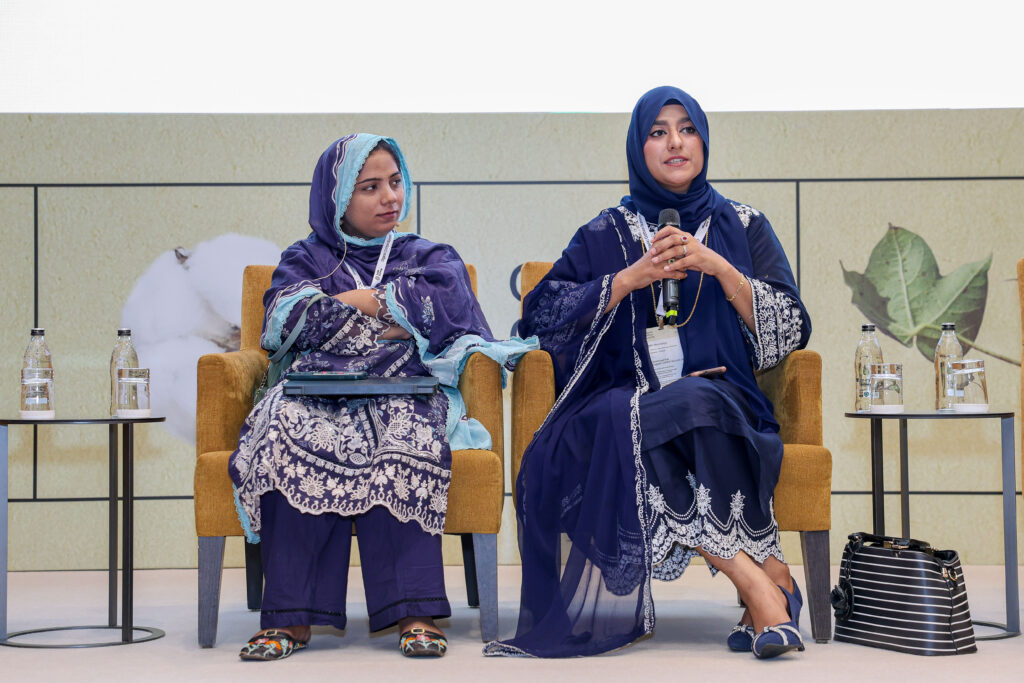
Farmers from Brazil, India, Pakistan, and Türkiye shared their experiences of organic production, discussing certification requirements, climate risks, and market uncertainty. Ibrahim, a farmer from Türkiye, put the core issue plainly: “What would help farmers convert to organic is if they knew the income they will have. At the end of the day, farmers should know how much they will make.” Their conversations highlighted the need for better access to technical assistance, certification support, and market linkages, and reinforced that stronger coordination across the value chain will be essential to scale.
The farm is a living system
OCA’s Executive Director, Bart Vollaard, opened the summit by describing soil health, water, biodiversity, and farmer livelihoods as deeply interconnected. “Soil health affects water availability, water availability affects biodiversity, and biodiversity affects the resilience of the land. And that resilience is directly connected to farmer livelihoods.” That framing ran through the farmer panel, grounded in the practical accounts farmers gave of what organic cultivation actually looks like on their land.
Traceability is becoming a core part of organic cotton systems
Beyond compliance, traceability was discussed as a tool for strengthening transparency and connection across the supply chain. Workshops explored how digital systems, certification frameworks, and supply chain data can support credibility, and how traceability systems could be designed to benefit farmers, not just satisfy reporting requirements further up the chain.
Better funding and better data can unlock progress
Sessions on investment, climate action, and impact measurement explored how financial support and credible data can help accelerate organic cotton production. While challenges around the cost and complexity of these measurement and financing systems remain, there is growing evidence that investment in organic systems can deliver measurable environmental benefits and support long-term resilience.
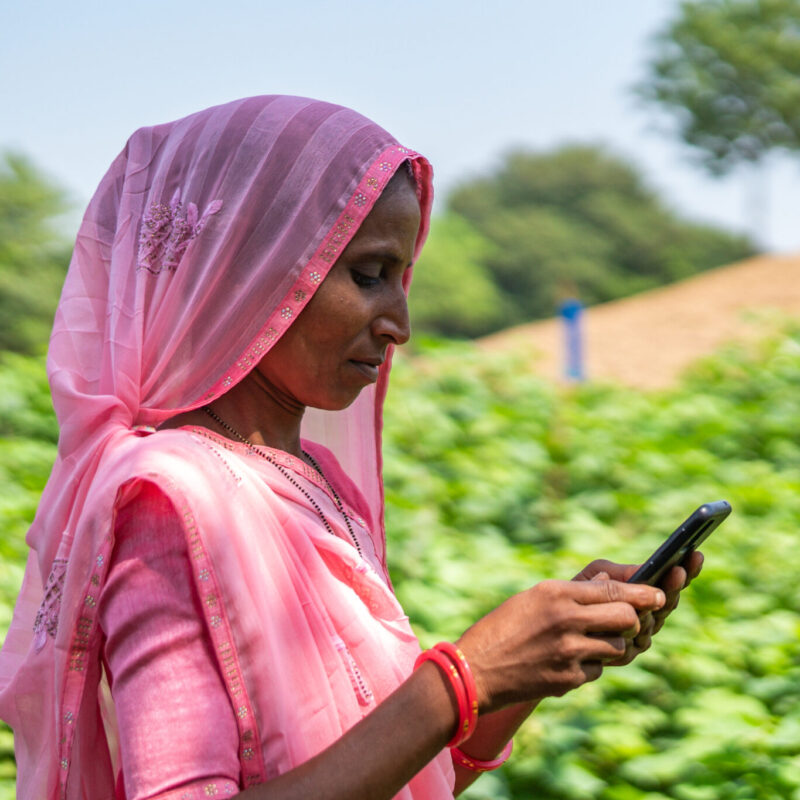
″I make a variety of organic inputs which helps replace chemical inputs, this lowers our costs and helps increase our family income, helping me send my children to get education and I was able to get more land.″
Key takeaways: Day 2
Day two focused on regional perspectives and the conditions needed for organic cotton systems to thrive long term.
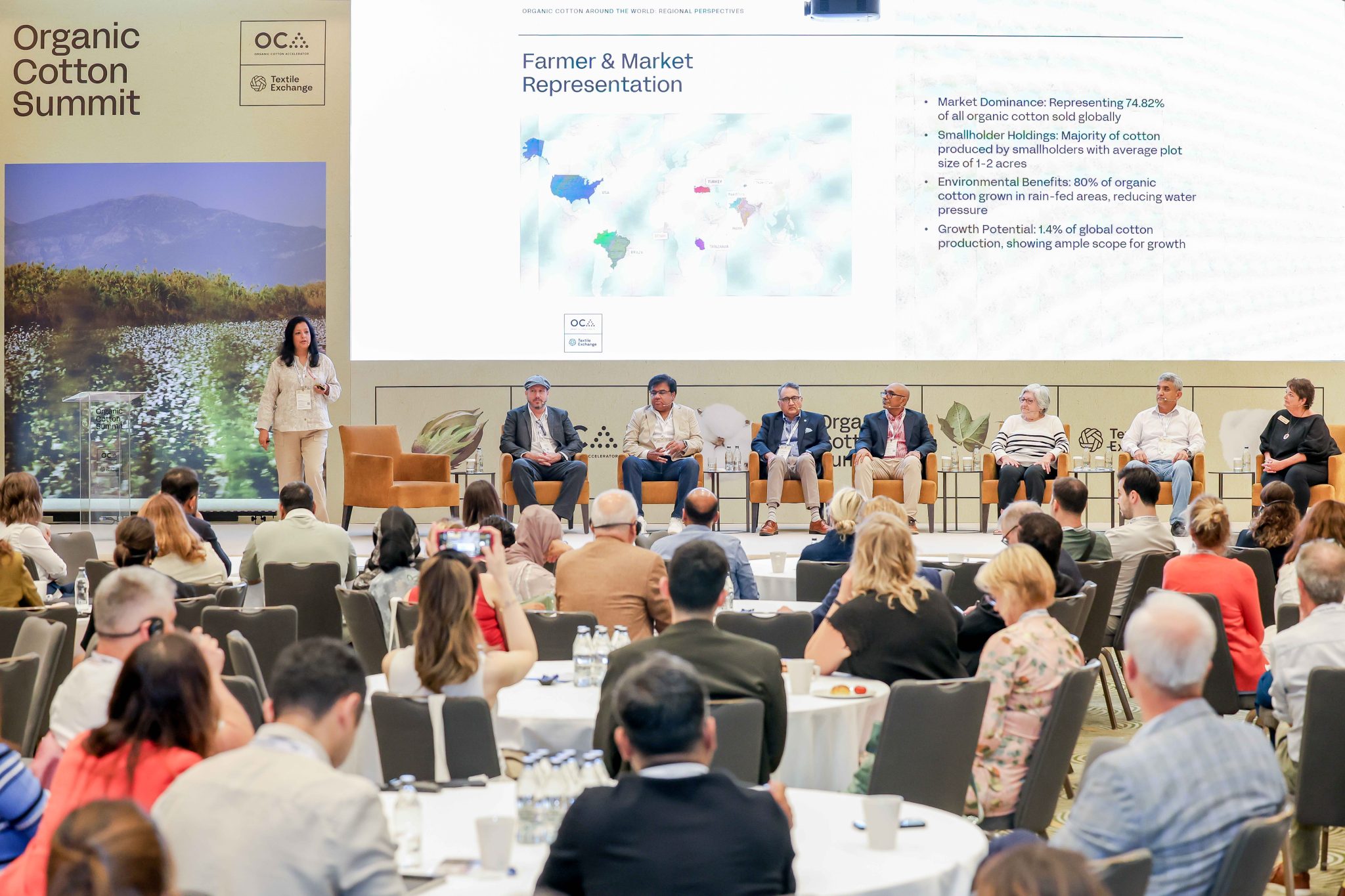
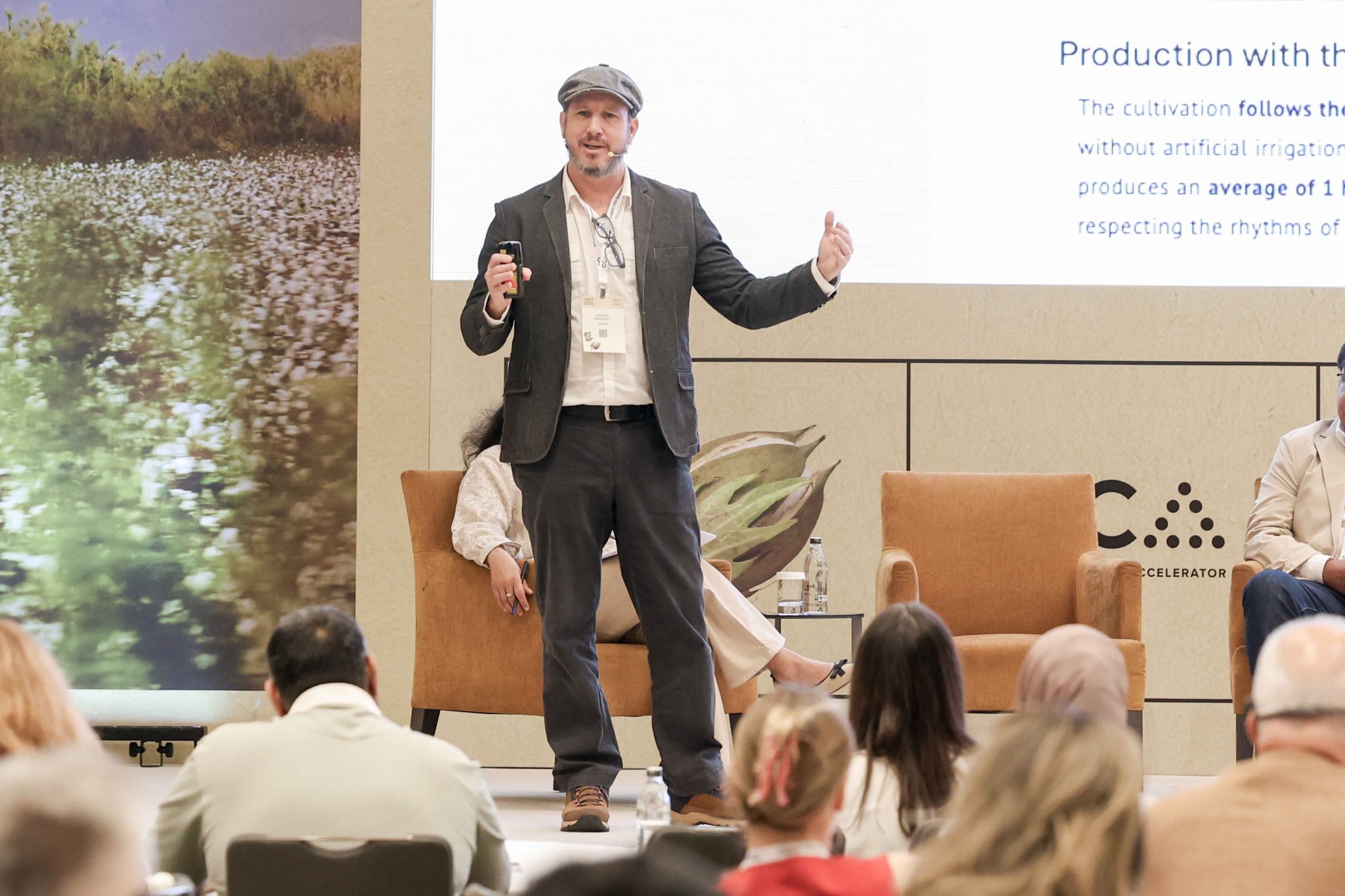
Regional realities must shape global strategies
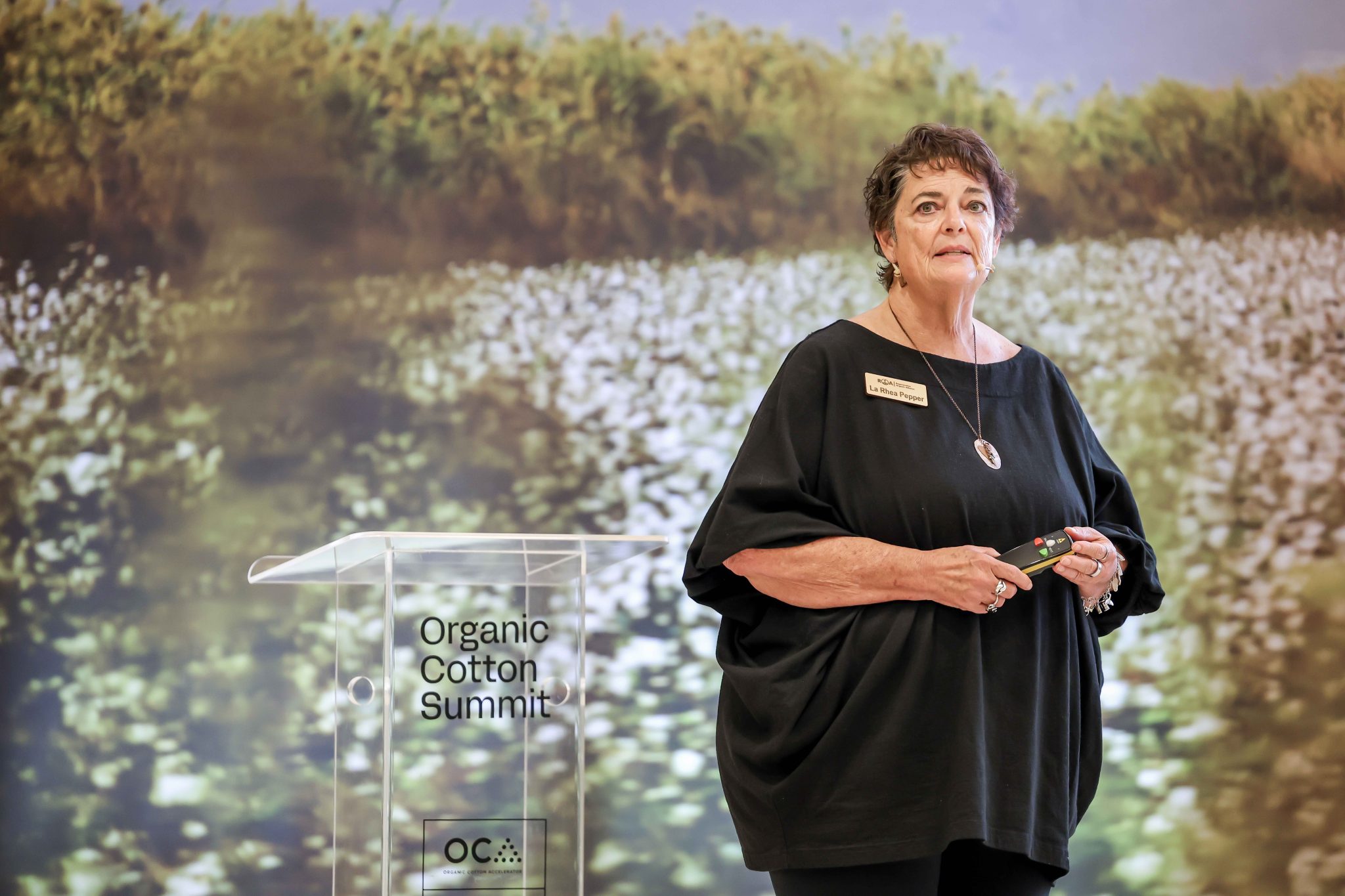
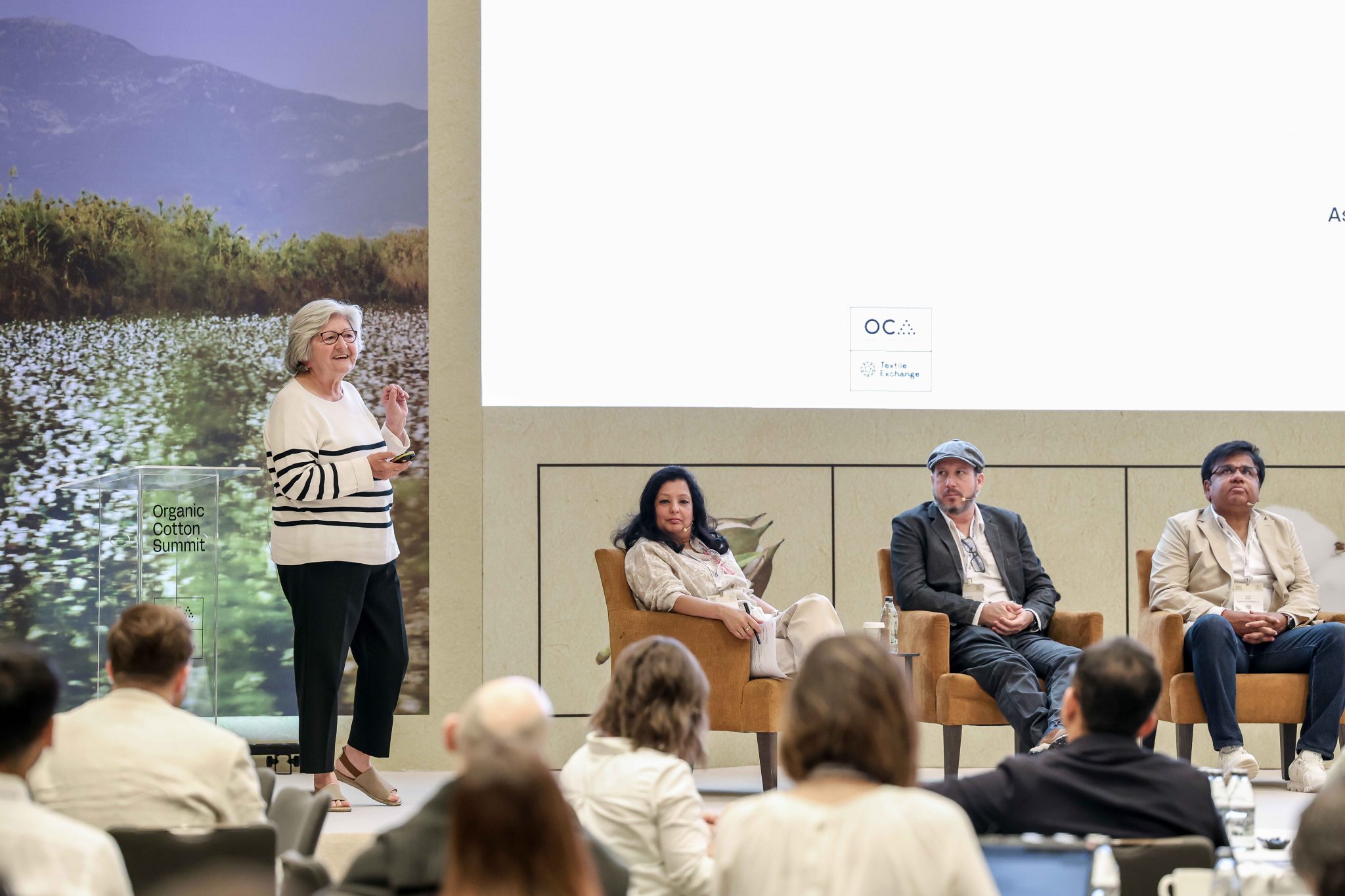
Organic cotton systems operate in very different contexts around the world. Participants heard how local policy environments, infrastructure, market conditions, and production challenges shape growth opportunities in each region. A message that ran throughout the day was that solutions need to be adapted to regional realities rather than replicated from elsewhere.
Many regions are facing the same challenges
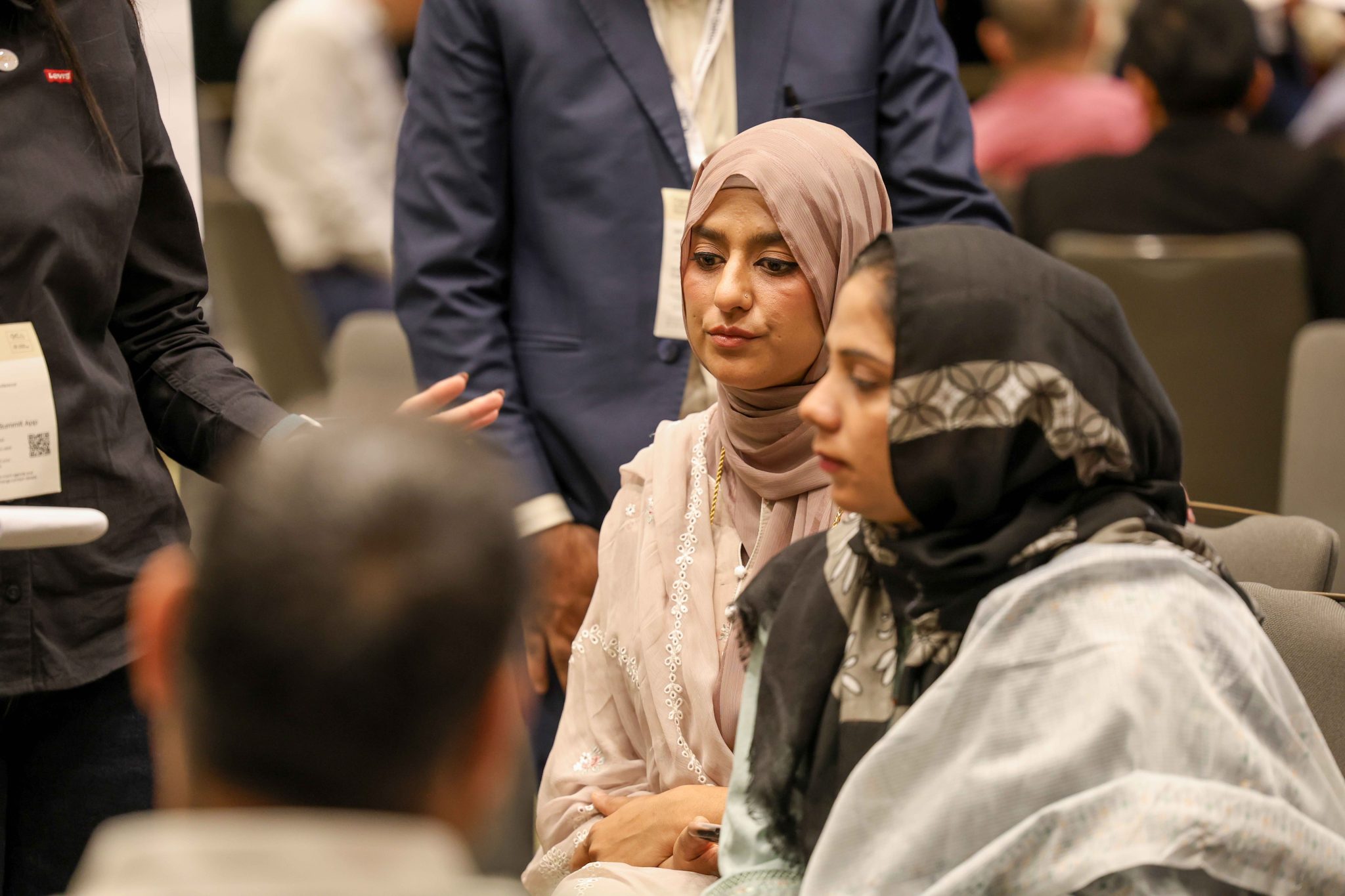
Despite regional differences, farmers and producer groups across geographies described similar pressures: rising certification costs, limited access to seed and inputs, and uncertainty around future demand. Uncovering these shared challenges created real opportunities for cross-regional learning.
The cost of transition cannot fall on farmers alone
Participants discussed how the costs of certification, training, and organic practice implementation are often concentrated at farm level. Tobias Meier from Fairtrade was direct: “There’s no such thing as cost-neutral sustainability. Listen to the farmers and the workers and strive for real shared responsibility, including costs, not only imposing compliance requirements.” Brands, retailers, and other supply chain actors have a clear role to play in sharing that investment more evenly.
Farmer voices need to remain at the centre of decision-making
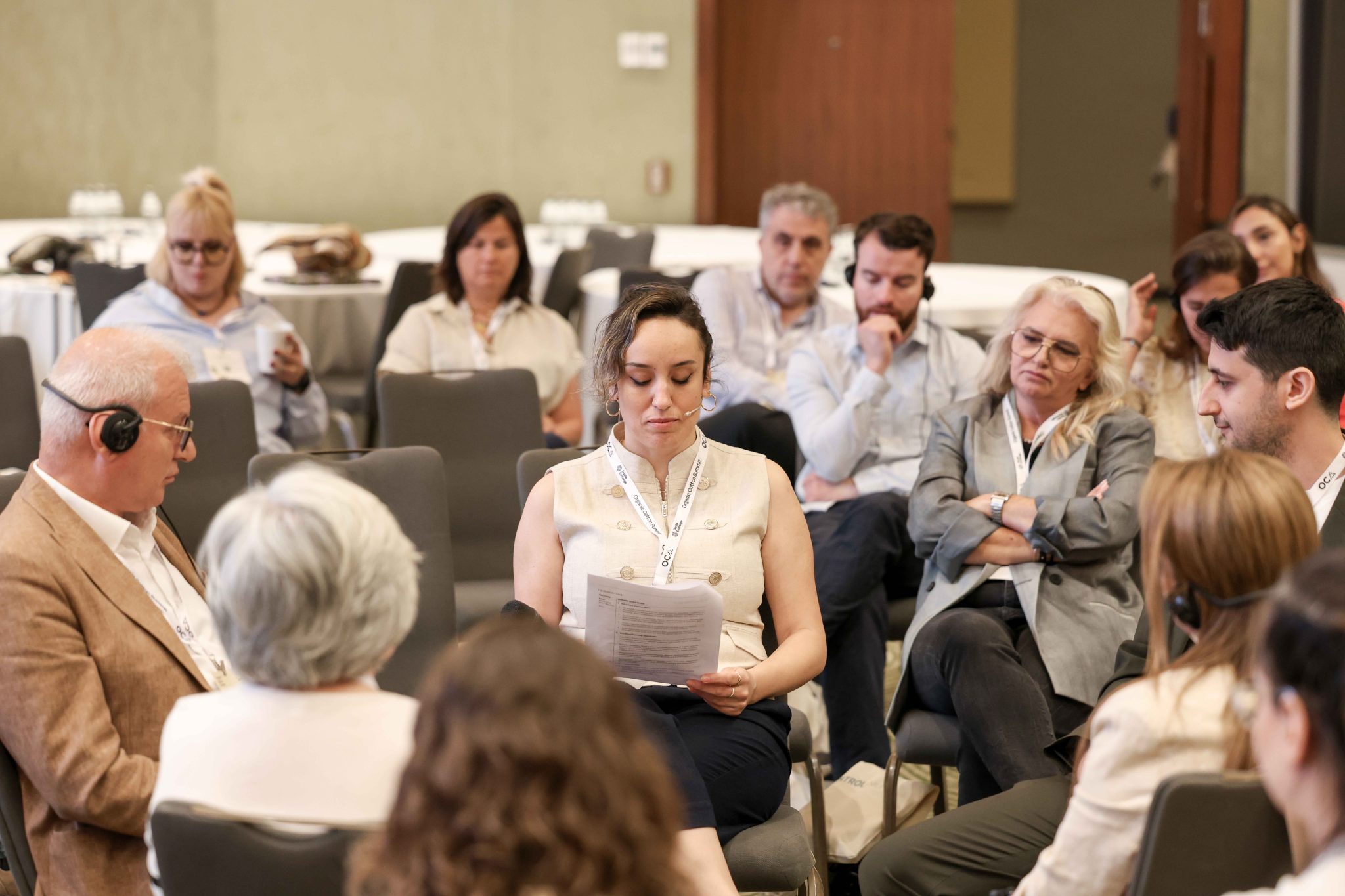
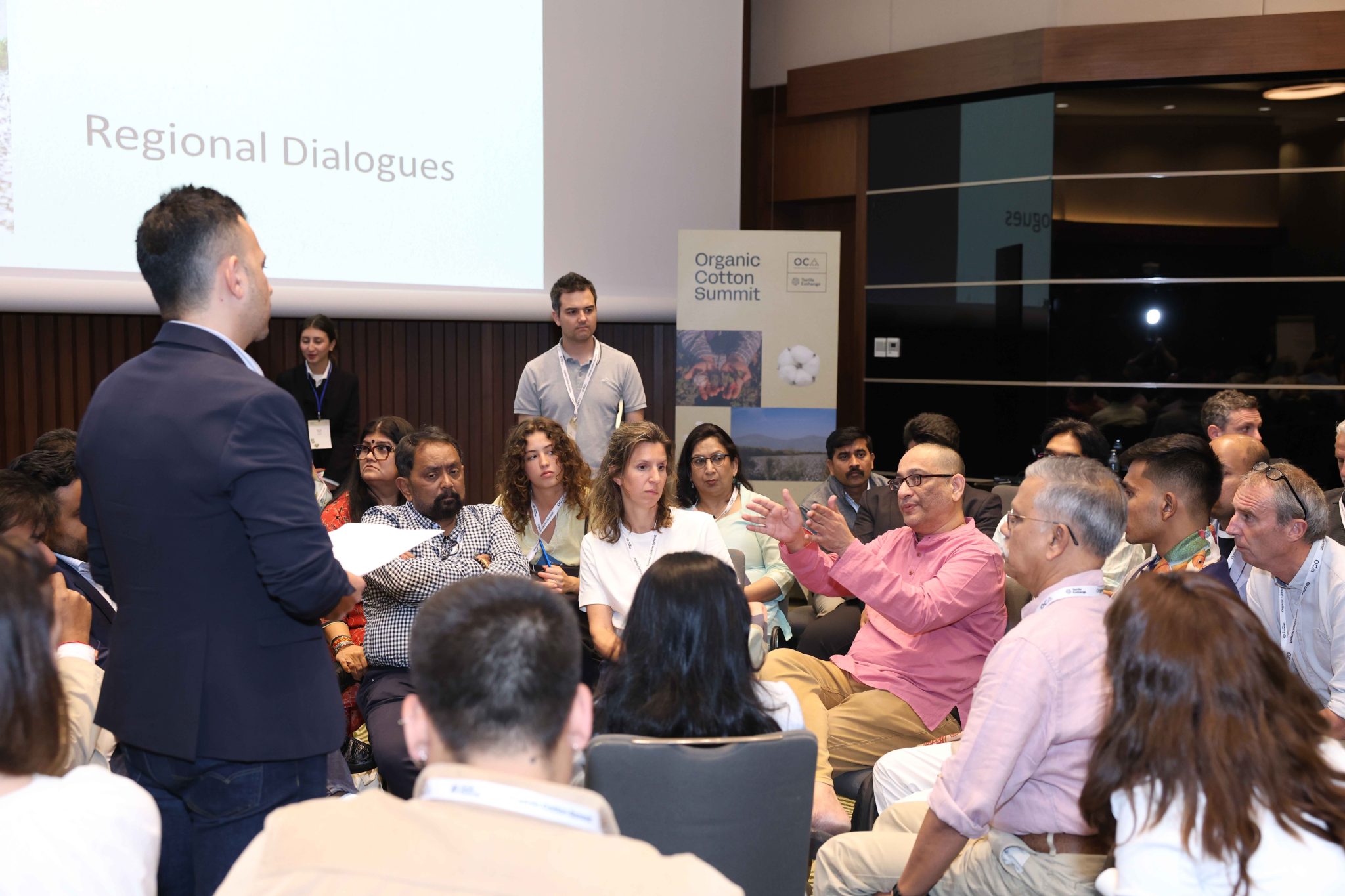
The regional dialogue sessions reinforced the value of bringing farmers’ knowledge and perspectives directly into industry conversations. Discussions grounded in farmers’ practical experience helped build understanding of what organic cotton production actually requires, and developed alignment on the actions and commitments needed to strengthen both local systems and the global case for organic cotton.
″Organic cotton has enormous potential, but potential does not scale on its own. It scales through trust, collaboration, long-term commitment, and shared responsibility across the value chain. That work belongs to all of us in the room.″
Experiencing organic cotton production on the ground
Following the summit, around 50 participants travelled to the Aegean region of Aydın to see organic cotton farming in practice. They visited a certified organic farm, a local ginning facility, and met a farmer to discuss what makes organic cotton viable long term. The trip was a reminder of a lesson raised during the summit: a previous three-year project in Aydın trained 122 farmers across 30,000 decares, but without brand offtake commitments behind them, the gains didn’t hold.
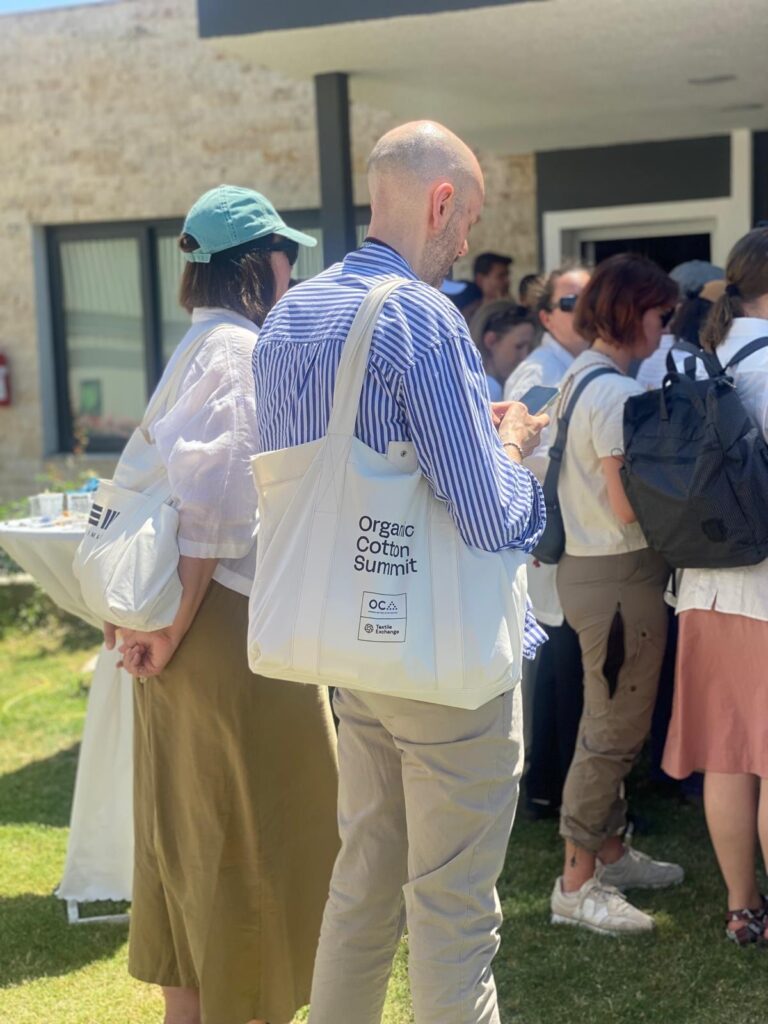
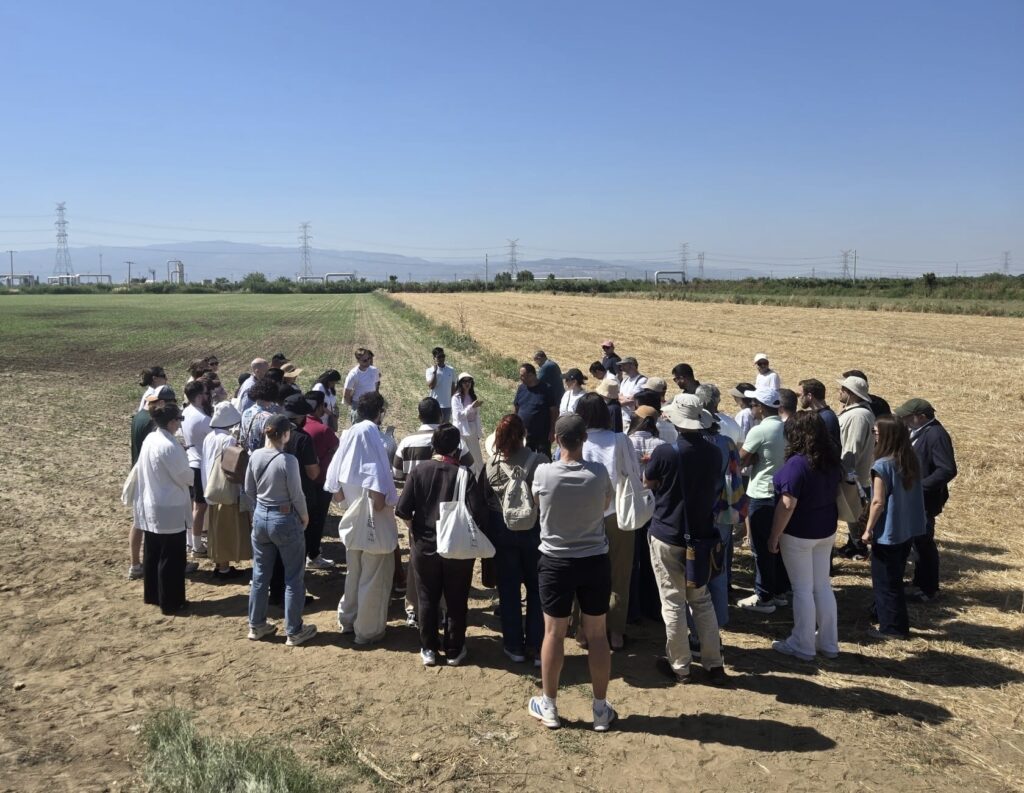
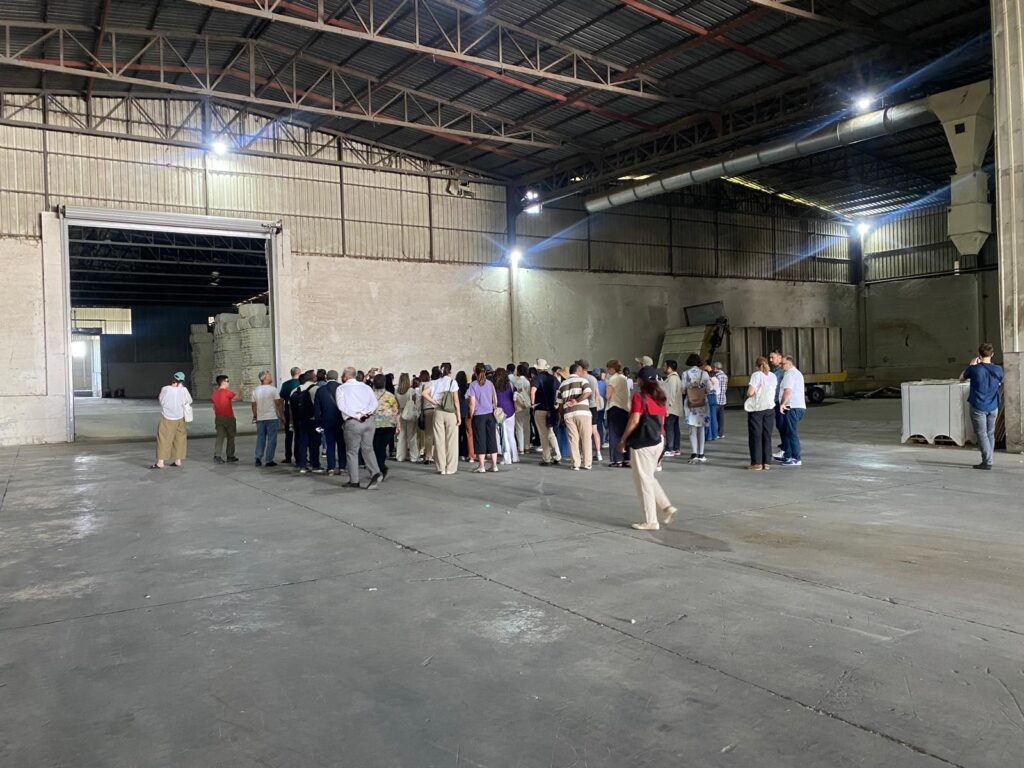
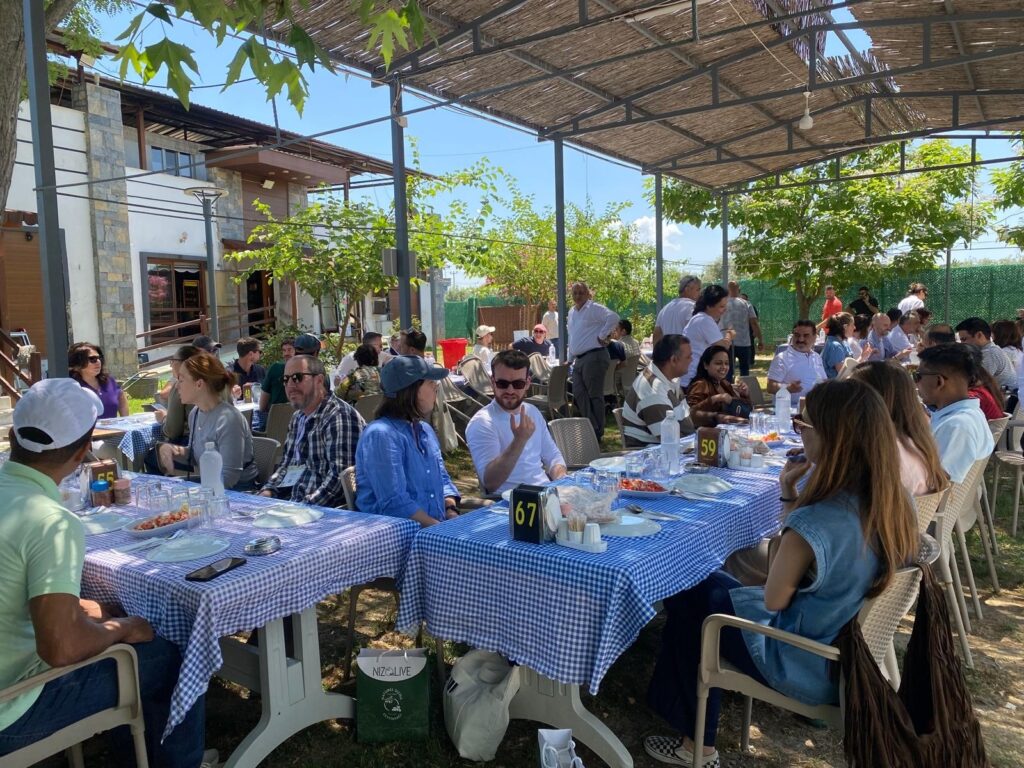
A big thank you to all participants who travelled to Istanbul and Aydın for the summit.
Farmers, brands, policymakers, and partners – the quality of the conversations over those three days came from the people in the room. We are grateful to each of you.
Stay up to date for future events
Sign up for our newsletter to receive fresh insights, news, articles, blogs, and event updates straight to your inbox. Be the first to hear how we are working to unlock the full potential of organic cotton for people and the planet, with practical knowledge and stories from across the value chain.
Sign up to our newsletter