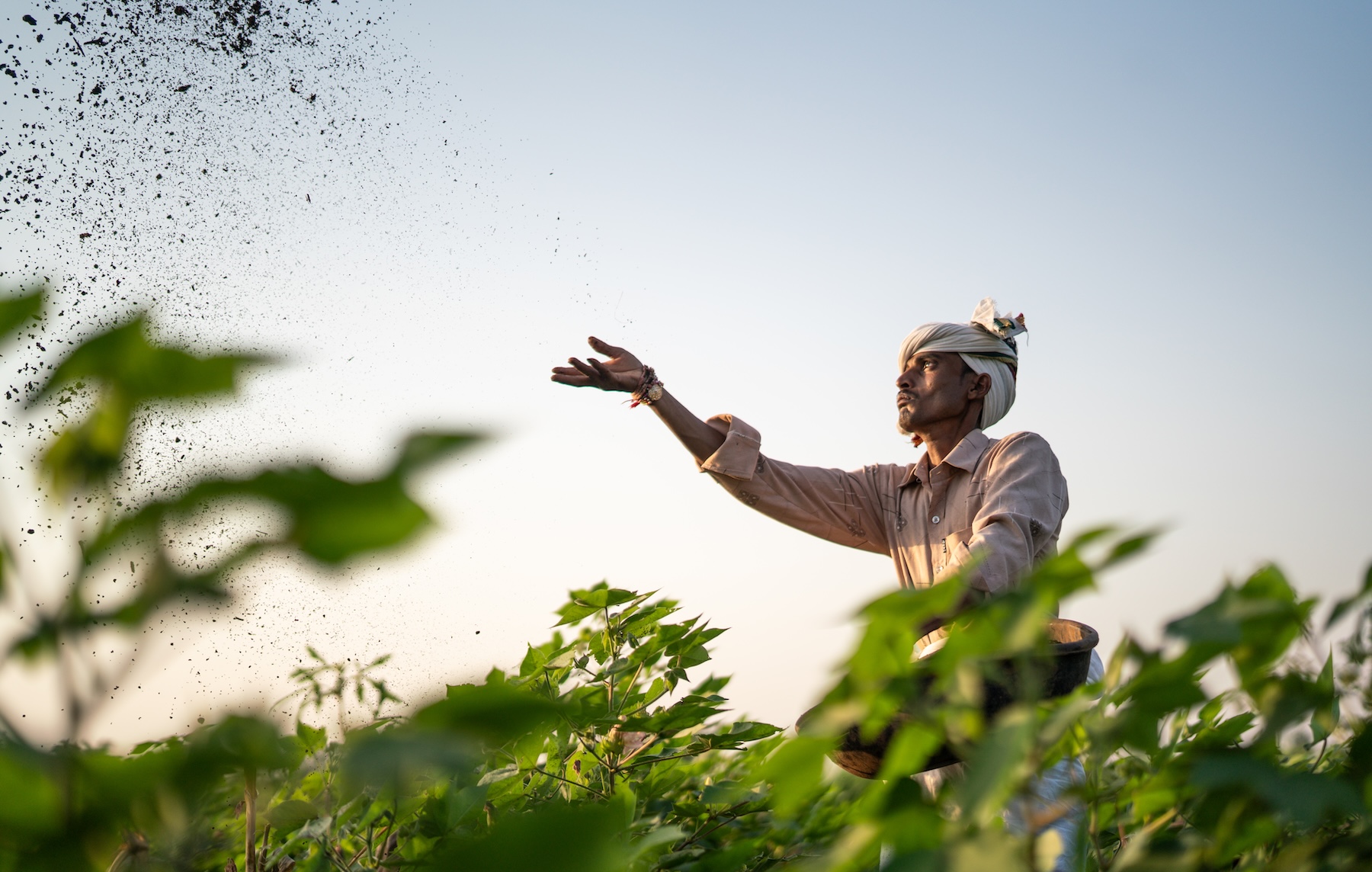
The journey of textiles begins long before it reaches the shops. It starts with farmers making difficult decisions about seeds, soil, crop management and the future of their livelihoods.
For smallholder cotton farmers in India, the transition from conventional to organic production can involve lower yields, increasing costs of production that can reduce overall net profitability, uncertain prices, limited access to non-GMO seeds, organic cotton certification costs and a lack of reliable buyers. The Partnership Initiative Organic Cotton was created to help address these challenges and make the transition more viable.
A collaborative approach
The Partnership Initiative was created through a strategic collaboration between the Partnership for Sustainable Textiles (PST, now Dialogue and Impact for Sustainable Textiles – DST), the GIZ Global Programme Sustainability and Value Added in Agricultural Supply Chains and the Organic Cotton Accelerator (OCA) and has been financially supported by the German Federal Ministry for Economic Cooperation and Development (BMZ).
The initiative ran from 2021 to 2025 and was supported by several German organisations: Brands Fashion, C&A, Fairtrade Deutschland, Formesse, GOTS, H&M Group, SÜDWIND Institut, s.Oliver Group and Tchibo.
Over three cotton seasons, 11,500 conventional cotton farmers joined the programme. By the 2024–2025 season, 7,758 participating farmers had converted to certified organic cotton production. Across the project period, a total of 20,788 metric tonnes of seed cotton were procured through project-supported procurement initiatives, and farmers received €637,952 in premium payments.
What is in-conversion cotton?
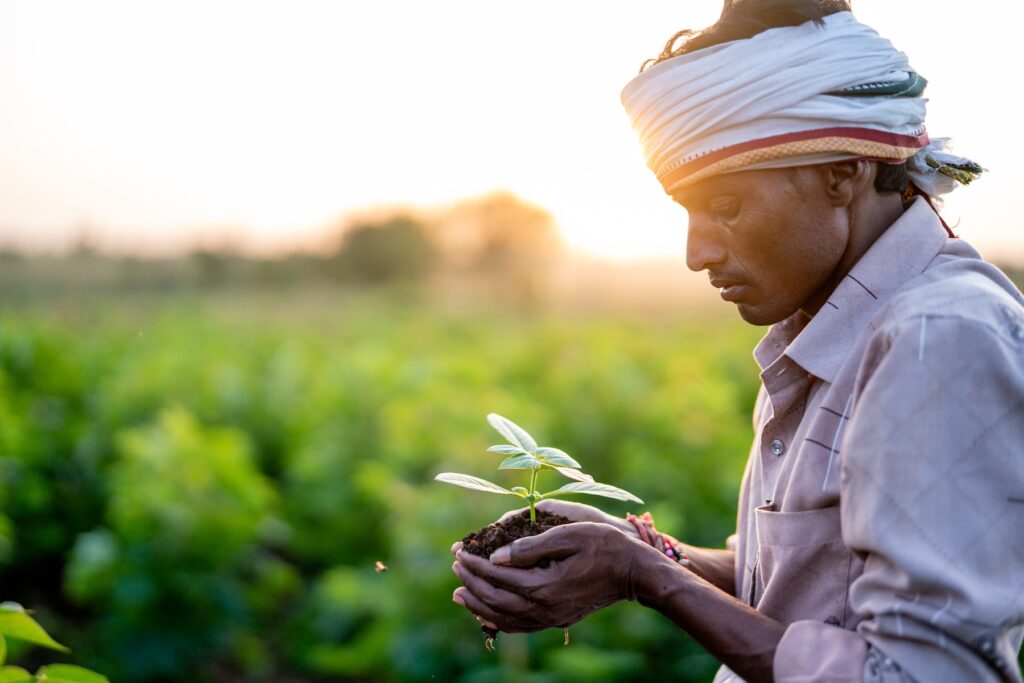
In-conversion cotton is cotton grown by farmers who are transitioning from conventional farming to certified organic production. During this transition period, farmers adopt organic farming practices, such as avoiding synthetic inputs and building soil health, but the cotton cannot yet be sold as fully certified organic. The conversion period typically takes three years, allowing farmers, their land and their farming systems to gradually meet organic certification requirements.
OCA played a central role in connecting farm-level support with supply-chain engagement by setting up the infrastructure that connects farmers, suppliers and global bands. The initiative brought together farmers, farmer producer organisations, implementing partners, donors, brands and standards organisations, with OCA helping to connect farm-level implementation with procurement and supply-chain engagement to create more transparent and dependable pathways from cotton fields to markets, while improving farmer livelihoods.
“The Partnership Initiative Organic Cotton shows that smallholder farmers can make a successful transition to organic cotton when brands make lasting commitments. Pre-season purchase agreements, sustained training and a premium for seed cotton give farmers the confidence and support to adopt more sustainable practices and help make the transition viable for their communities and the supply chain.” – Shankhamala Sen, Farm Programme Manager, Organic Cotton Accelerator – India
“The Partnership Initiative Organic Cotton in India demonstrates what is possible when companies, partner organisations, and other stakeholders work together toward a common goal. It has provided important impulses for strengthening organic cotton farming and advancing more sustainable supply chains. For us, it is an example of how collaboration can drive concrete change.” – Christine Moser-Priewich, Head of Dialogue and Impact for Sustainable Textiles (former Partnership for Sustainable Textiles) Coordination Team
Supporting farmers and strengthening markets
Farmers received training in organic farming, soil health, pest management, fertilisation, seed use and farm management. This was complemented by demonstration plots and practical learning, while implementing partners supported access to non-GMO seeds, agronomic inputs and certification processes.
The programme encouraged regenerative and biodiversity-related practices through training and practical learning, including reduced tillage, agroforestry, integrated pest management, soil and water conservation and crop diversification. Farmers were most likely to adopt practices when they could see clear benefits for their farms and incomes.
The initiative also integrated decent work into programme delivery, addressing labour rights, occupational health and safety, working conditions and gender-related issues.
The results underline one of OCA’s key principles: farmer support must be linked to a functioning market. Training and certification are important, but farmers also need a reliable buyer and a fair return for the additional work involved in organic production.
What we learned from this project
-
- 1- The importance of pairing training with practical, sustained support. Farmers faced transition risks such as lower yields, seed access, and certification costs. Training worked best alongside agronomic assistance, non-GMO seeds, and help with certification.
2- The business case needs to be real for farmers. Premium payments and reliable procurement links were major drivers of conversion. Market access and transparent premium mechanisms are essential to support farmers’ livelihoods and encourage lasting change.
3- Bring the supply chain together and plan for its complexity. Collaboration among brands, suppliers, standards bodies, and local Implementing Partners helped create traceable links from farms to buyers. Clear responsibilities, demand-driven planning, and long-term commitment are needed to make those links work and scale.
Building the next phase of organic cotton
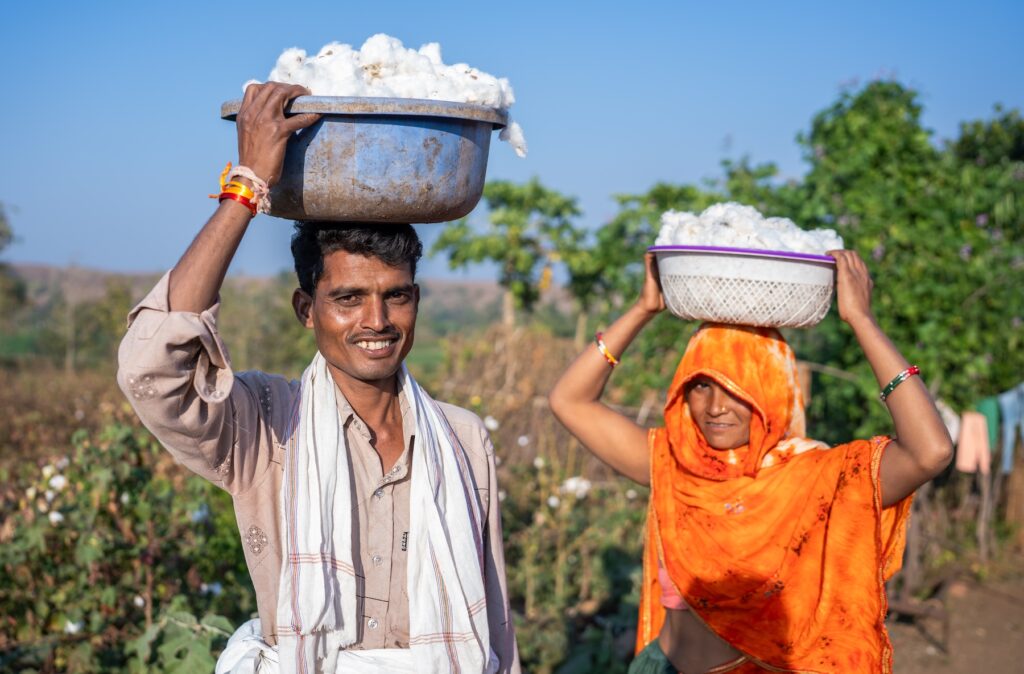
The Partnership Initiative Organic Cotton demonstrated the value of combining farmer support, certification, procurement and market demand. This experience informs OCA’s work to connect farmers’ needs with the commitments of brands and other supply-chain partners.
Organic transition takes time, trust and investment. With coordinated support and reliable market links, it can deliver benefits beyond certification, including healthier soils, improved farmer livelihoods and more resilient supply chains.
OCA thanks all its partners, including implementing organisations, participating brands and Farmer Producer Organisations whose expertise, commitment and collaboration made the initiative possible. We are equally grateful to GIZ and the German Federal Ministry for Economic Cooperation and Development (BMZ) for its financial support. Their collective contribution helped farmers move towards organic production and created important foundations for a more transparent, resilient and sustainable cotton sector.