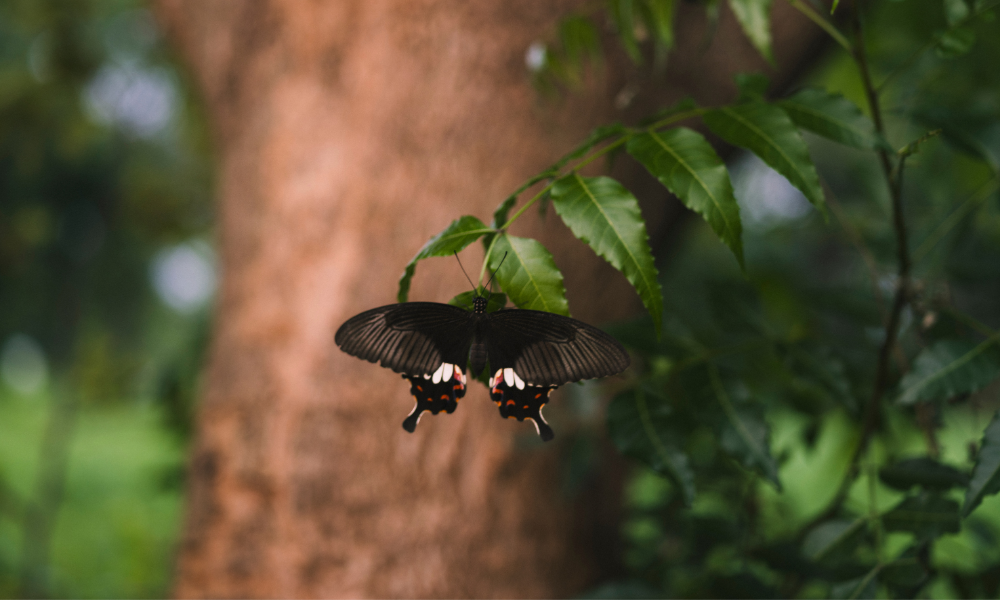
For World Biodiversity Day and ahead of the Organic Cotton Summit, we spoke with smallholder farmers from OCA’s programme in India, Alex Stuart (PAN UK), and Madelene Ericsson Ryman (H&M Group).
A cotton field in peak season can look like it’s thriving. Heavy bolls, minimal visible pest damage, a clean and orderly crop. But what’s happening at ground level tells a more complicated story. Intensive cotton farming, particularly at scale and with high chemical inputs, tends to simplify the living system around it over time: fewer earthworms in the soil, less insect diversity, fewer birds in the surrounding landscape. That’s not a universal picture. Farming practices vary enormously, and so do their effects, across geographies, farm sizes, and management approaches. But where pesticide use is high and soil management is minimal, the pattern is well documented.
Biodiversity in agriculture is not really about wilderness or rare species, though those matter too. At farm level, it is about the density and variety of living things that make growing food possible: the microorganisms that break down organic matter, the fungi that help roots absorb water, the beetles that eat pests, the wildflowers at field margins that feed pollinators, the earthworms that aerate the soil and improve drainage. Remove enough of these and a farm becomes dependent on synthetic inputs to replace the functions they used to perform for free.
Conventional cotton production remains highly dependent on synthetic pesticides and fertilizers. Globally, it accounts for roughly 6% of world pesticide use despite covering less than 3% of arable land [1]. For the insects, birds, and soil organisms living in and around a cotton field, that chemical load is often fatal. Biodiversity loss in conventional cotton is the ordinary, expected outcome of how most cotton is currently grown. It is the problem that the Organic Cotton Accelerator was set up to help solve, working across the full supply chain from the farmers in the field to the brands sourcing the fibre.
Measuring what you can’t always see
Putting a number on biodiversity is harder than measuring yield or input costs, and that difficulty has historically allowed the problem to stay abstract. IFOAM Organics International frames organic agriculture as a direct response to this, arguing that organic systems work by maintaining and enhancing the diversity of organisms at genetic, species, and ecosystem levels, rather than treating them as incidental to production [2]. The standard is not just “do less harm” but “actively maintain the conditions for life.”
For OCA, that framing has practical implications for how its Farm Programme tracks progress. The monitoring and evaluation system goes beyond measuring yields and farmer income to capture soil health indicators, pest pressure, and the presence of biodiversity-supporting practices such as intercropping, crop rotation, and the use of biological pest controls. Verification is conducted by third-party validators, and the data is used not just for reporting but to guide what farmers are trained to do differently the following season [3].
But the numbers only capture part of the picture. Underneath them are changes that take years to accumulate and are rarely visible in a single season.
Alex Stuart, International Project Manager for Agroecology at Pesticide Action Network UK, works with organic cotton farmers in Benin and has spent years trying to make soil health legible to people who will never set foot in those fields. The most visible sign of biodiversity loss on a cotton farm, he says, is simple:
“An absence of trees in the landscape, followed by a lack of diverse vegetation. Other signs include a scarcity of birds, low insect diversity in the crop, and a lack of soil organisms such as earthworms in the soil.”
These are not obscure ecological indicators. They are things any farmer can observe.
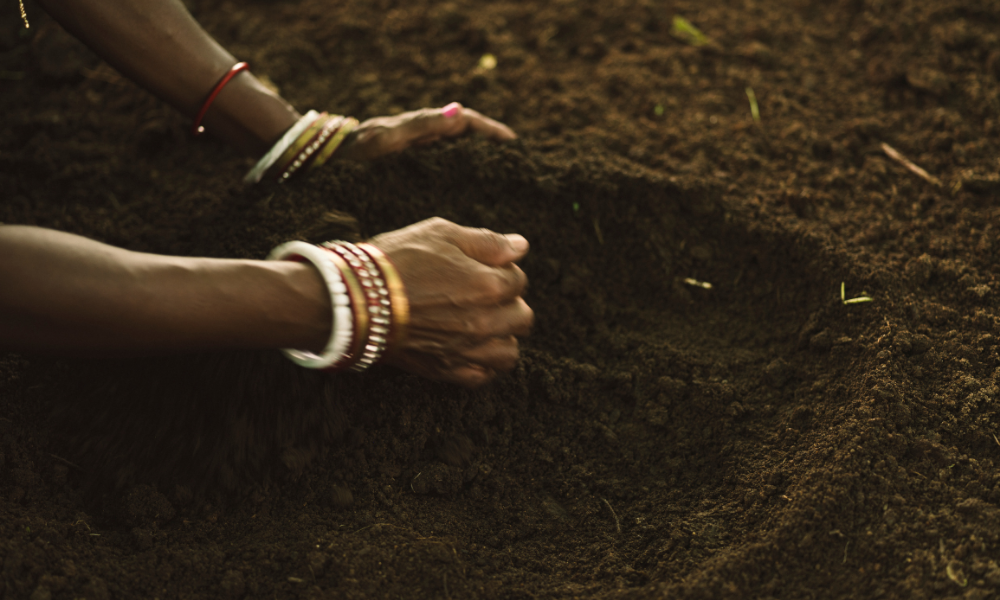
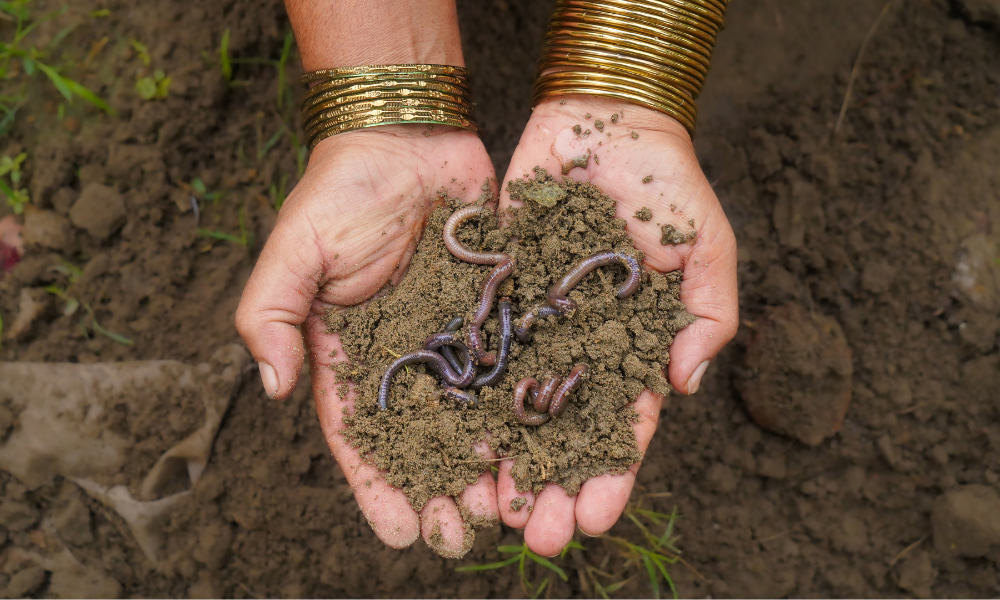
PAN UK’s project in Benin, which focuses on growing the country’s organic cotton sector, has run soil health assessments comparing organic and non-organic fields [4]. The results, Stuart explains, showed significant improvements in soil organic carbon and organic matter content, better pH and soil moisture retention capacity in the organic farms, and a higher abundance of macro-fauna including earthworms. One of the more memorable methods used was burying cotton cloth and even cotton underwear in the soil for three weeks and measuring how much had decomposed. Faster decomposition means more microbial and macro-fauna activity, which signals a healthier soil system. “Such evidence can be provided via data collected through biodiversity assessments, laboratory soil analysis, and the ‘Soil your undies method’,” Stuart notes.
What farmers notice first
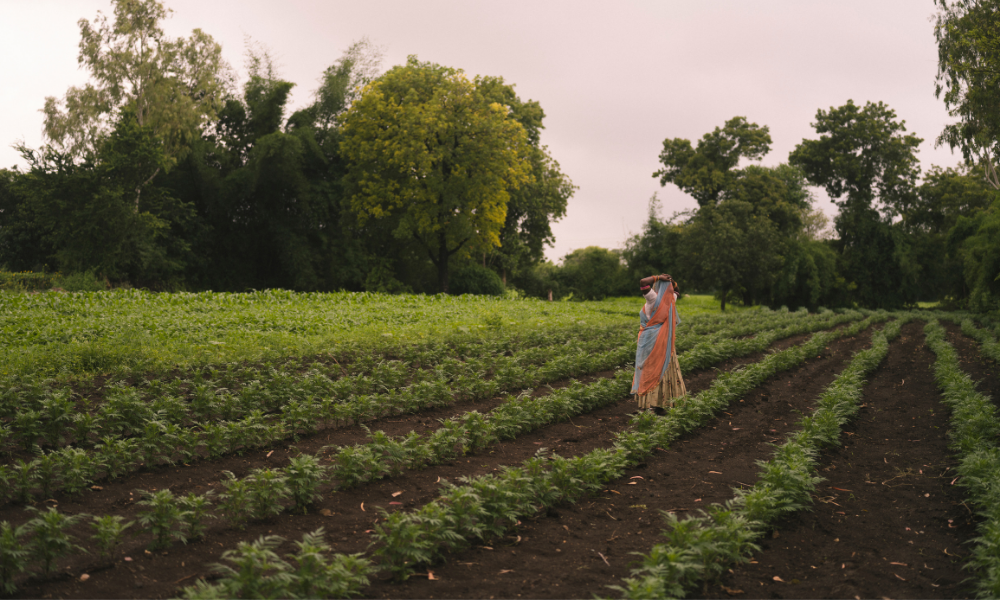
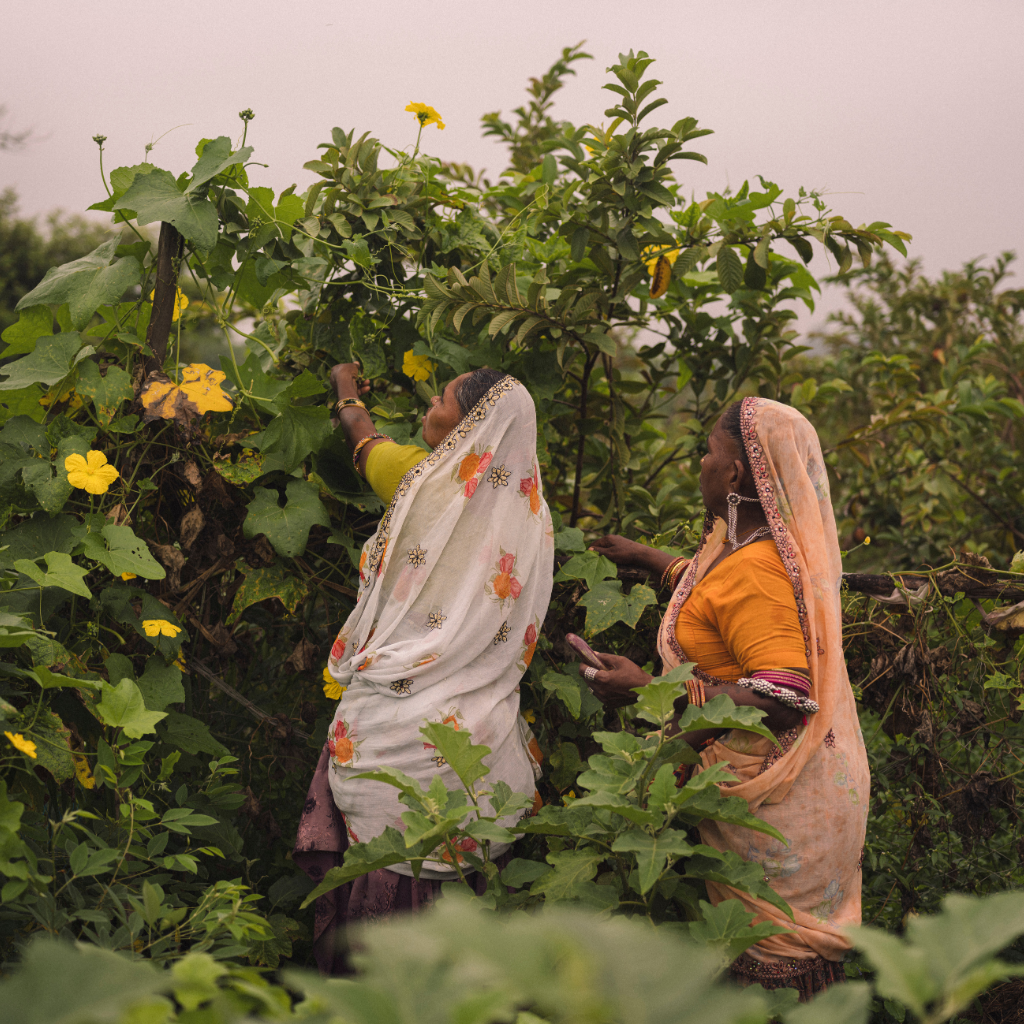
Annapurna Maji, an organic cotton farmer from the Kamari village in Odisha, India, where OCA works alongside implementing partner Action for Social Advancement, did not need an assessment to tell her something had changed. She noticed it herself, over years of working her land with synthetic inputs.
“The plants looked healthy, and the yield was high. But slowly, I began noticing things. My soil was hard. Earthworms disappeared. And people around us were falling sick more often.”
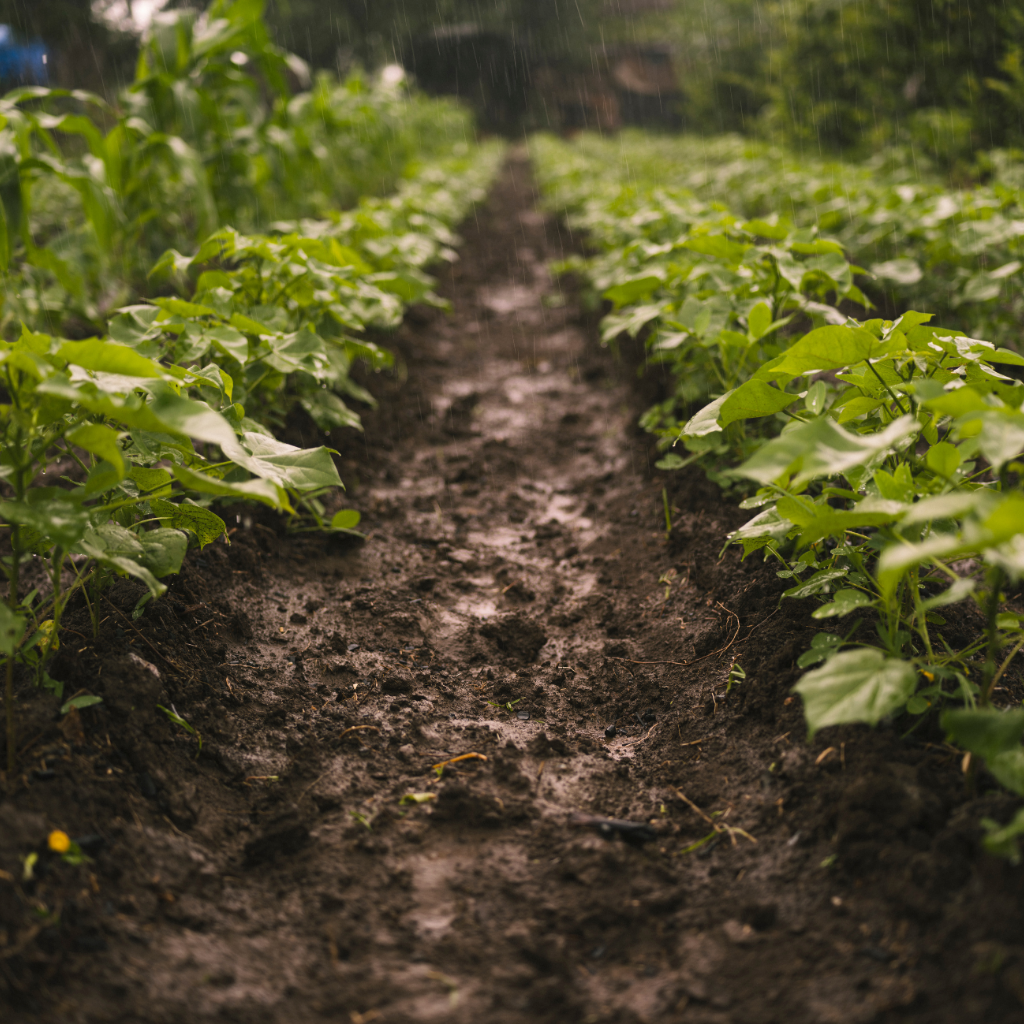
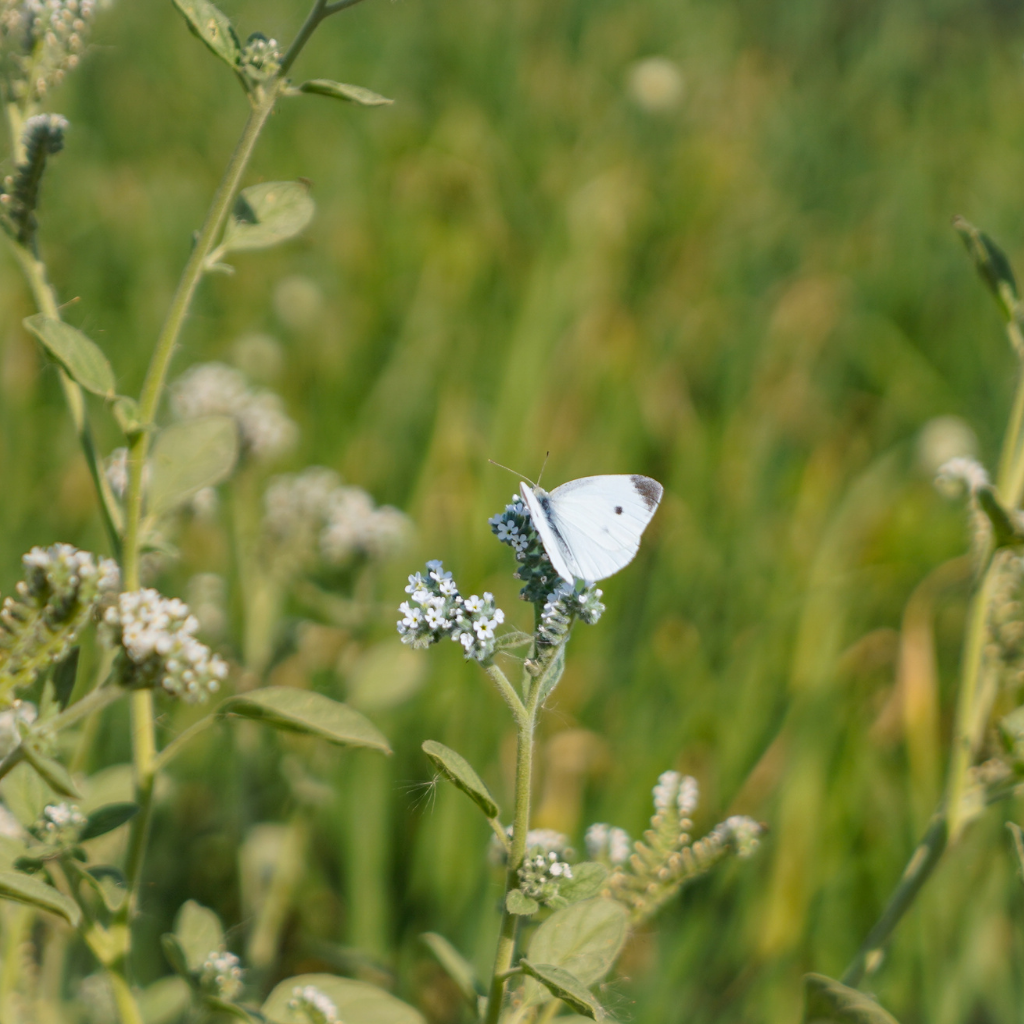
When she transitioned to organic, she describes the early months as uncertain: yields dropped before they improved. But then something else shifted. “I saw tiny life returning. Earthworms. Beneficial insects.” The change happened quietly, in the soil before it showed up in the crop, but she recognised it because she had been watching closely all along.
Annapurna now prepares compost at home, applies leaf-based pest repellents, and intercropping cotton with pigeon pea to improve soil health and feed her family. “My ancestors didn’t call it organic,” she says. “It was just farming.” [5]
OCA’s Implementing Partners in the field play a significant role in bridging traditional knowledge with structured training. In Maharashtra, where OCA partner Arvind supports smallholder farmers through the Farm Programme, farmers like Narayan Turewale have learned to produce their own vermicompost and bio-inputs, replacing purchased chemicals with local biological solutions [6]. The shift reduces costs and reduces the chemical pressure on surrounding soil organisms. It also means the knowledge stays on the farm, rather than residing in a product bought from outside.
The brand perspective: from ambition to outcome
From the buying side, biodiversity has gone through a significant shift in how it’s understood. Madelene Ericsson Ryman, Sustainability Business Expert on Raw Materials Sourcing at H&M Group, describes a turning point around 2019 when the IPBES Global Assessment Report on Biodiversity and Ecosystem Services reframed the issue for business.
“It really put biodiversity loss into a business context and highlighted the scale of risk. That’s when biodiversity moved from being ‘important’ to being business critical.”
H&M Group has sourced organic cotton since the late 1990s, making it one of the more established buyers in this space. But Ericsson Ryman is direct about the limitation of simply sourcing “better materials.” The challenge now is about outcomes, not just credentials. “We see a need for a broader shift across all cotton production, where the focus moves beyond practices alone to measurable outcomes, such as healthier soils, richer biodiversity, and more resilient ecosystems at landscape level.”
What makes that difficult at scale is not a lack of ambition. It is the nature of biodiversity itself. “Biodiversity is highly local,” she says. “Scaling solutions requires long-term investment and collaboration beyond any single company.” H&M uses aligned frameworks including the Science Based Targets for Nature (SBTN) and combines multiple data points to track directional improvement, rather than seeking a single comparable metric that doesn’t exist. “The focus is less on perfect comparability, and more on directional improvement and real outcomes.”
She is also clear-eyed about what makes the economic case difficult. “Transitioning to biodiversity-positive practices involves costs upfront, while the benefits are longer-term and harder to quantify. From a business perspective, that makes it challenging to justify and scale within existing models.” The answer, in her view, lies in linking financial value to outcomes like soil health and resilience, and that requires better data across the supply chain.
The scale question
Stuart is realistic about what organic farming can and cannot achieve quickly. Global commitments to reduce pesticide risk and phase out Highly Hazardous Pesticides, agreed under the Kunming-Montreal Global Biodiversity Framework and the Global Framework on Chemicals, set the direction [7]. But delivery happens farm by farm, season by season.
“Most importantly, farmers need training and ongoing support to transition away from agrochemical-dependent practices,” he says. “Affordable bio-inputs also need to be made more readily accessible.” In Benin, one of the practical discoveries has been that farmers can produce many of these inputs themselves, given the right knowledge. The lesson is potentially transferable. Stuart thinks many of the findings from Benin are applicable across cotton-growing regions in Asia and Latin America, though the specifics of soil type, climate, and pest ecology will always require local adaptation.
The 2019 IPBES assessment that Ericsson Ryman cited put it plainly: around one million plant and animal species are currently threatened with extinction, driven in large part by land use change and the intensification of agriculture [8]. Cotton farming is one part of that system. The good news, demonstrated by the results from organic fields in Benin, from Odisha, from Maharashtra, is that the direction of travel can be reversed. The soil responds. The earthworms come back. The insects return.
Turning evidence into action
On 2–4 June 2026, OCA and Textile Exchange are co-hosting the Organic Cotton Summit in Istanbul, and the programme reflects exactly where the biodiversity conversation currently sits: past the stage of making the case, and into the harder work of implementation. Paul Holmbeck, World Board Member at IFOAM Organics International, opens the summit with a keynote on mainstreaming organic cotton through policy and market-level change [9]. The co-creation workshops that follow take on the specific bottlenecks: how to unlock investment at scale, how to use data to drive genuine climate and nature outcomes, and how to navigate an increasingly complex landscape of sustainability regulation.
These are not abstract discussions. They are the questions that Annapurna Maji is living with every season in Odisha, that Alex Stuart’s teams are measuring in buried cloth decomposition tests in Benin, that Madelene Ericsson Ryman is trying to translate into procurement frameworks for one of the world’s largest fashion groups. Istanbul is where those conversations, usually scattered across different parts of the supply chain, happen in the same room.
What gets discussed there will matter. Not because a single summit changes the trajectory of global cotton, but because the biodiversity crisis in agriculture is not going to wait for the sector to feel ready. The earthworms come back when the conditions are right. Getting those conditions right is the work.
Images by Priyadarshini Ravichandran, Textile Exchange and OCA.
The Organic Cotton Summit takes place 2–4 June 2026 at the Istanbul Marriott Hotel Şişli. Registration is open at organiccottonsummit.com.
References
[1] FAO / PAN UK, Cotton’s Chemical Addiction (updated 2018): pan-uk.org/cottons_chemical_addiction_updated/
[2] IFOAM Organics International, Biodiversity: ifoam.bio/our-work/what/biodiversity
[3] OCA, How We Measure: organiccottonaccelerator.org/our-impact/how-we-measure/
[4] PAN UK, Cotton in Benin: pan-uk.org/cotton-in-benin/
[5] OCA, Inside the Smallholder Tribal Communities Growing Organic Cotton in India (March 2026): organiccottonaccelerator.org/smallholder-tribal-communities-growing-organic-cotton-india/ – This story was featured in Unwoven Issue 03, Textile Exchange’s annual magazine.
[6] OCA, Farmer Stories: Narayan: organiccottonaccelerator.org/story/farmer-stories-narayan/
[7] Kunming-Montreal Global Biodiversity Framework (2022), Target 7: cbd.int/gbf/targets/7/ — and Global Framework on Chemicals (2023): unep.org/global-framework-chemicals
[8] IPBES, Global Assessment Report on Biodiversity and Ecosystem Services (2019): ipbes.net/global-assessment
[9] Textile Exchange and OCA, Organic Cotton Summit 2026: organiccottonsummit.com