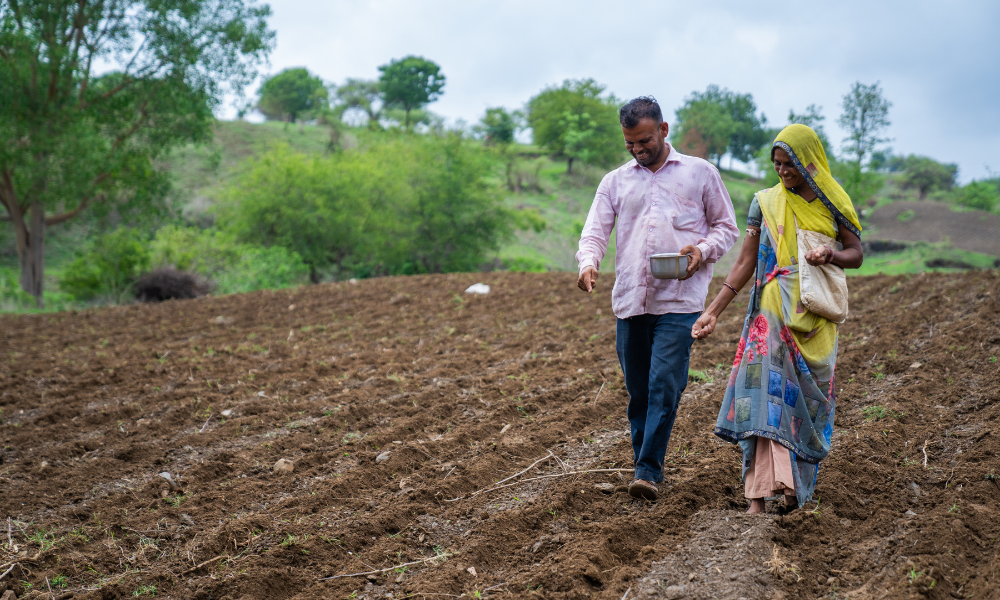
For smallholder cotton farmers in India, a cotton season is shaped by a series of crucial questions: will labour be available when it is needed? Will payments come through on time? And will the production costs be covered at the end of it all? For farm workers, the concerns can be even more immediate: How long will the work last? Will wages be paid in full and on time? And how will work conditions impact their health and safety?
These experiences are deeply local. Farm workers often migrate between farms and villages as the season unfolds, while farmers balance market pressures and carrying the bulk of the financial risks. Decent work, in this context, is not a single intervention or checklist measured by outcomes. It is shaped by relationships, information, trust and access to systems that are not always visible or equally easy to navigate by all actors.
This is the reality the Organic Cotton Accelerator (OCA) set out to acknowledge when we launched the Decent Work Strategy in 2024. It was designed to support farmers, farm workers and Implementing Partners working on the ground in improving labour conditions over time.
″Over the past year and a half, we have focused on turning plans into practice. The emphasis has been on building understanding at field level, improving how risks are identified, and testing approaches that reflect how farming and labour function on the ground. OCA’s approach has been to embed decent work considerations into our core Farm Programme, working closely with field partners, service providers, local organisations and supporting brands. Much of this work has been concentrated in India, where piloting has been possible at scale, while early lessons are now informing our next steps in Pakistan and Türkiye. ″
Why decent work is becoming a supply chain imperative
Across the textile sector, expectations around human rights and due diligence are changing quickly. Regulations such as the EU Corporate Sustainability Due Diligence Directive are pushing companies to take a more active role in identifying and addressing risks in their supply chains.
For many brands, this creates a familiar challenge: commitments are often made at a corporate level, while risks sit further upstream, at farm and community level, where visibility is limited.
OCA’s Decent Work Strategy is designed to help close that gap. It strengthens visibility at farm level, supports more informed risk assessment, and enables action on issues such as fair wages and income stability.
By embedding decent work into its core Farm Programme, OCA bridges the gap between high-level commitments and on-the-ground realities. Its approach integrates due diligence with practical implementation, addressing immediate labour challenges while advancing systemic change. In doing so, OCA is helping to set a higher standard for fair, transparent, and sustainable supply chains in the organic cotton sector. Here’s what we’ve done so far.
Equipping field teams
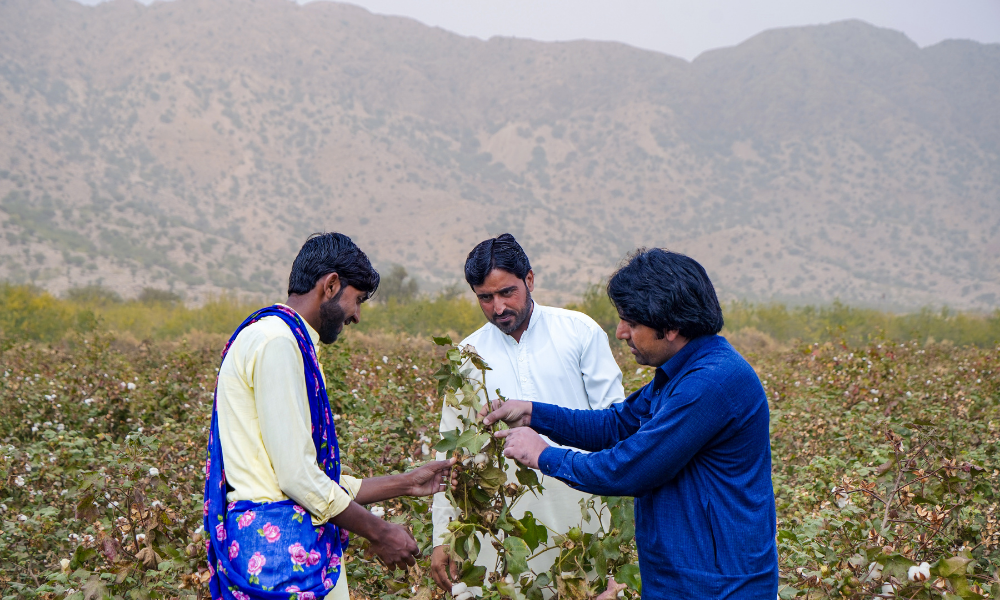
So far, capacity building has been the main way the strategy has been put into practice. Even before the Decent Work Strategy was formally launched, OCA had developed a dedicated curriculum and begun regular training sessions and workshops in India. Since 2025, this work has been scaled and more systematically embedded, allowing OCA to conduct three training-of-trainers sessions reaching 65 field staff.
OCA now delivers biannual decent work workshops in India, focused on building a shared understanding of key risks, responsibilities and practical responses. These sessions complement agronomic training, on organic practices, helping integrate social considerations into existing farm support systems. A cascading model underpins this approach: trained Implementing Partners pass the knowledge on to field teams working directly with farmers, expanding reach without creating parallel systems.
Moving towards fairer and more transparent payments
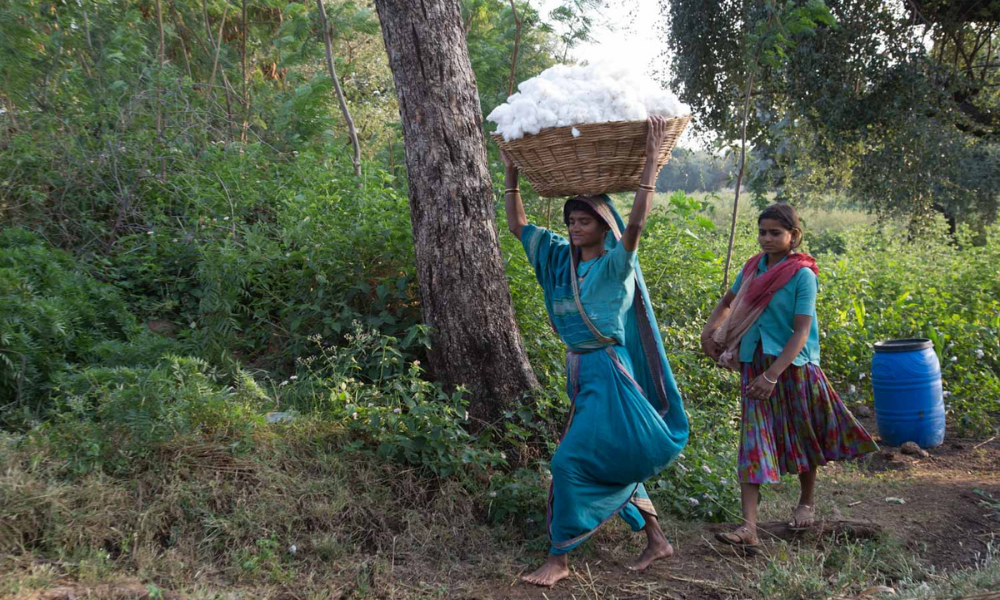
Fair and transparent payment is a core pillar of the strategy. As of last year, about 50% of all payments were fully digital, traceable and transparent. Progress has not been uniform across states. Differences in banking access, digital infrastructure and financial literacy mean the approach needs to be adapted locally. Along the way, we’ve also seen some very practical challenges, from hesitation around digital payments to gaps in how payments are verified. These lessons are helping shape how more realistic and scalable systems could look like.

Strengthening data
A third area of progress has been strengthening how decent work risks are identified and monitored. OCA already collects a range of social indicators through its Farm Programme, including minimum wages, payment discrimination, child labour risks and women’s participation. These data are available exclusively to Farm Programme participants via OCA’s impact dashboard.
The next step is to strengthen the data system further. This will allow OCA and its partners to prioritise action based on local realities, without overstating risks or oversimplifying complex dynamics.
Navigating complexity through partnership
Implementation has relied heavily on collaboration.
OCA convened roundtables and bilateral discussions with Implementing Partners to better understand operational, financial and relational challenges. These conversations have helped clarify where expectations need to be phased, where external funding can play a catalytic role, and where decent work must ultimately be integrated into business models to be sustainable.
The result is a more grounded implementation pathway; one that acknowledges constraints while maintaining direction of travel.
What OCA will do in the future
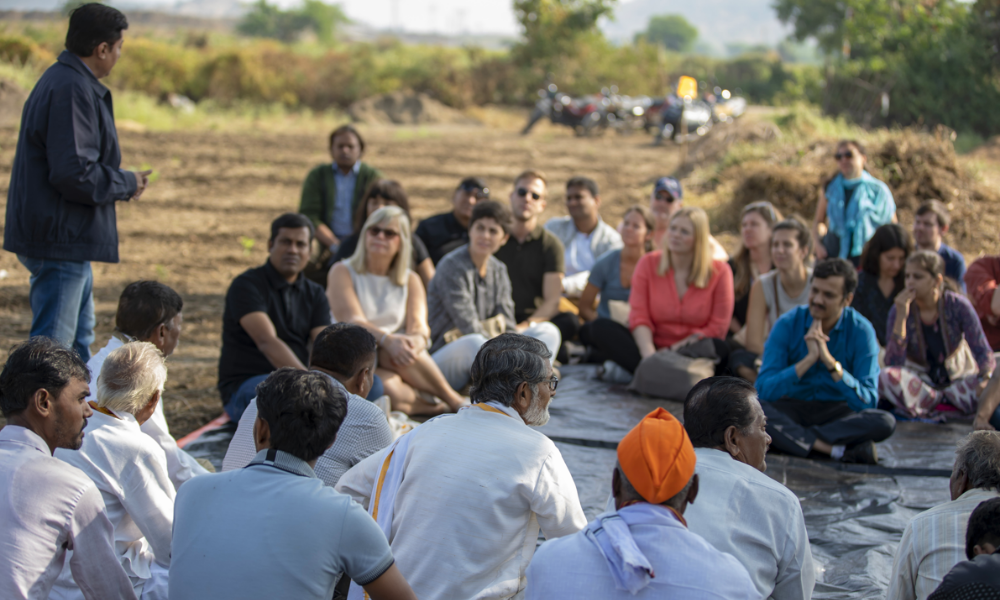
While most implementation to date has taken place in India, lessons are already informing work in Pakistan and Türkiye.
Addressing decent work in tier four is complex and no single actor can do it alone. Over the past year and a half, OCA has focused on building the foundations needed to play its part responsibly. These foundations are now firmly in place to harness the opportunities ahead. The next phase will focus on scaling what works, while continuing to adapt to the realities farmers and workers face each season, and working with the wider industry to turn shared commitments into practical change on the ground.