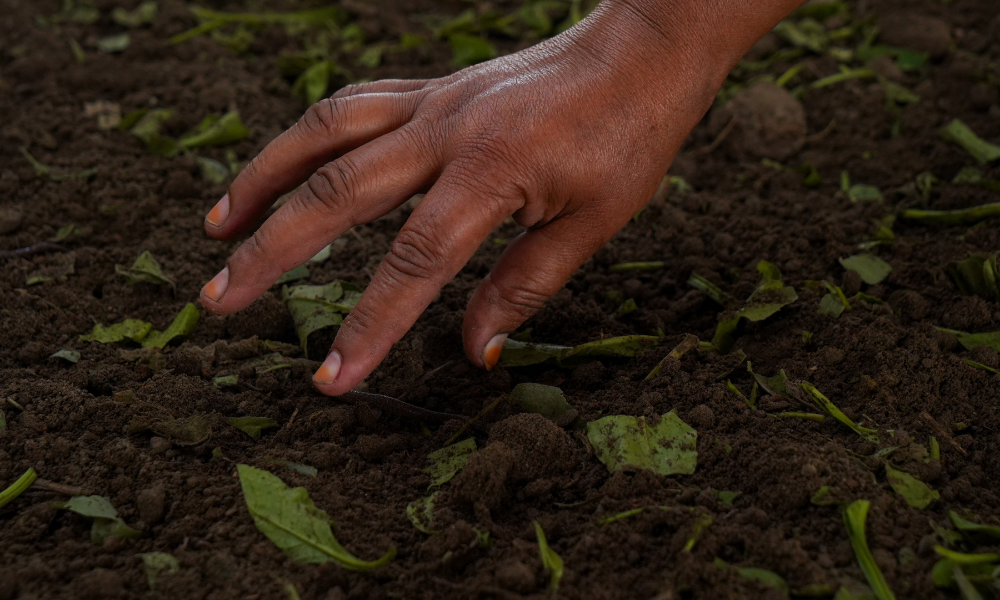
On this International Seeds Day, OCA is highlighting a critical challenge and the work we are doing to solve it. At the heart of any organic system lies a simple requirement: genetically pure seed. This connects farmer trust, enables credible certification, and ensures that organic cotton meets expectations from field to final product by ensuring that what is planted genuinely meets organic standards.
Securing non-GM seed is a systemic challenge in many countries, including in Pakistan. Across the country, farmers, seed producers, and supply chain actors face the same constraint: the near absence of reliably pure non-GM cotton seed in the market. Without addressing this bottleneck, scaling organic cotton in Pakistan in a way that is trusted, verifiable, and sustainable risk to remain out of reach.
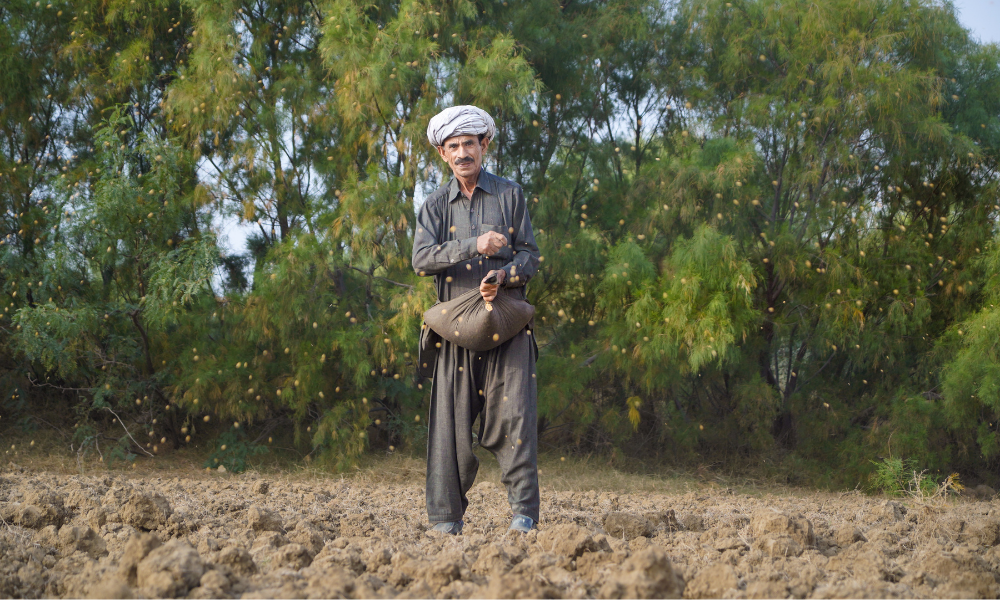
From non-GM seed scarcity to strategy
Recognising this gap, OCA launched the Seed Assurance Project in 2024, with support from Conservation International. The goal: build a science-based, transparent, and scalable system to safeguard seed purity in Pakistan. Rather than chasing volume, the initiative focuses on purifying the source, creating a small, reliable base of genetically pure seed that can be multiplied over time.
This approach focuses on keeping the system strong over time, rather than chasing short-term growth; a necessary shift in a market where contamination risks are high.
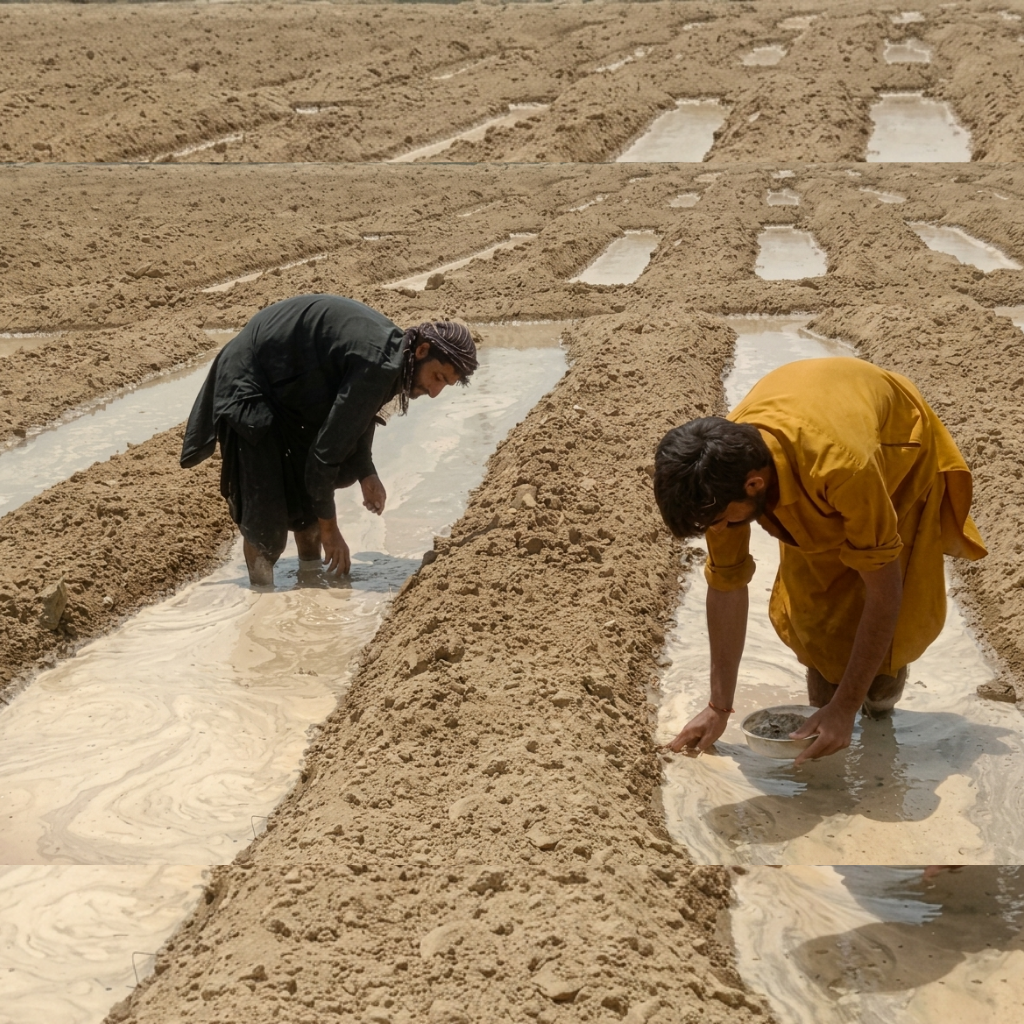
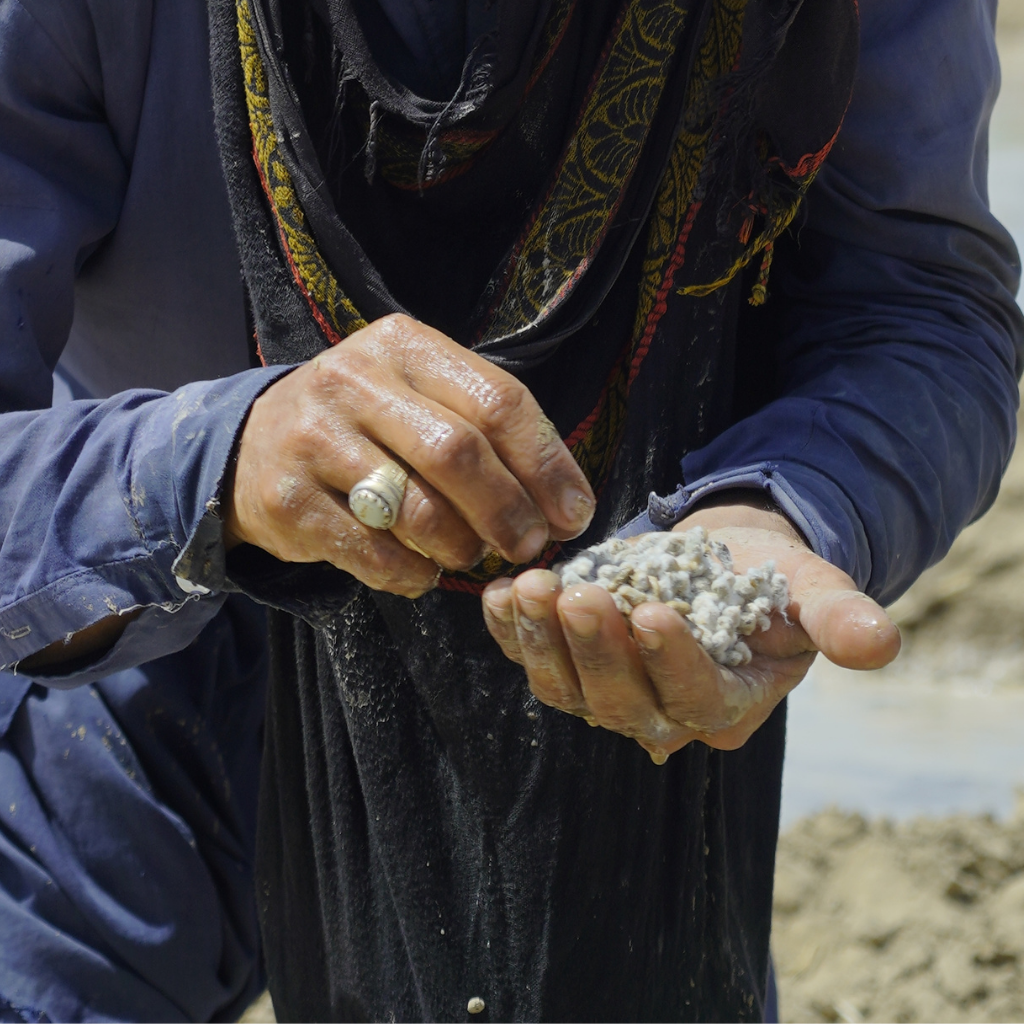
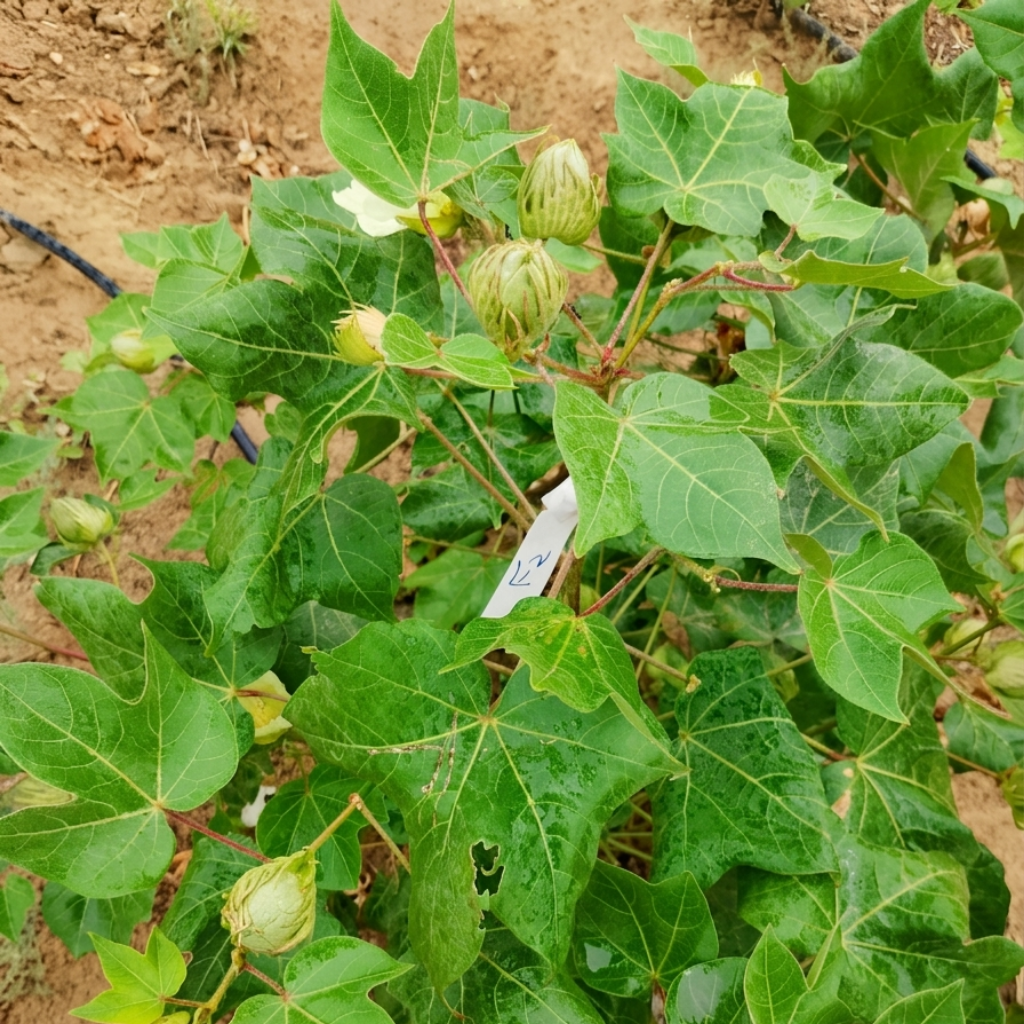
Starting at the smallest unit: single plant selection
The process begins at the most granular level possible: the individual plant. In the first year, the project implemented single plant selection, with 100% of selected plants undergoing testing before entering the multiplication process. This eliminates uncertainty at the earliest stage and significantly reduces the risk of genetic contamination being carried forward.
This meticulous approach reflects a broader principle: integrity must be built from the ground up. By keeping materials pure from the start, every step that follows becomes more reliable and easier to manage
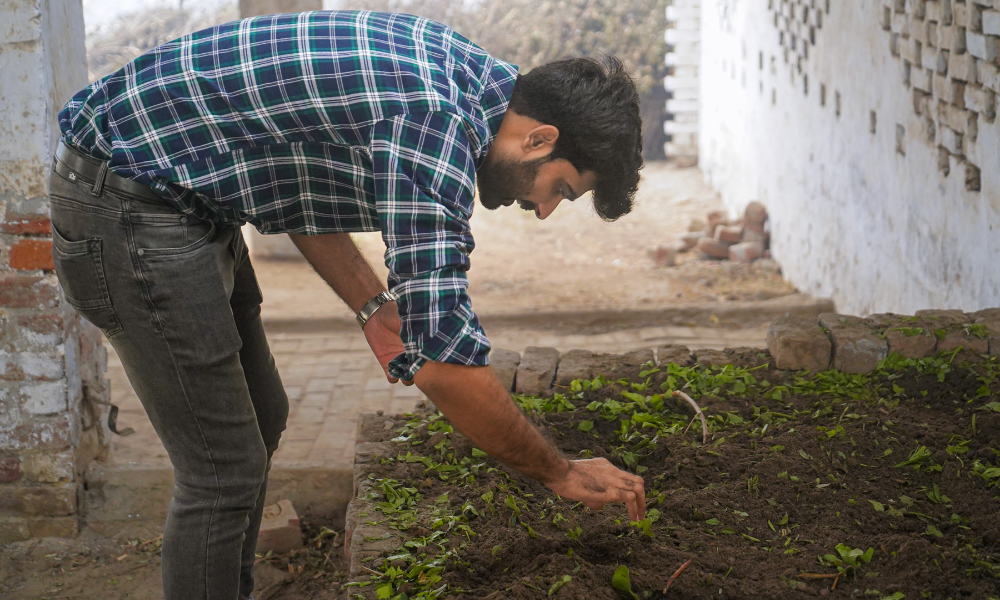
A multi-layered approach to genetic screening
To achieve this, OCA developed a multi-layered screening protocol combining three complementary methods:
- Kanamycin application: a plant-based screening method that identifies potential GM traits through resistance response
- Bt strip testing: a rapid and widely recognised method for detecting GM characteristics
- Quantitative PCR (qPCR): an advanced laboratory technique capable of detecting even minimal traces of genetic modification across multiple traits
Only the plants that meet the criteria at all three stages are chosen to be grown further.
Rather than claiming absolute certainty, the project aims for the maximum achievable level of non-GM purity, aligning with international scientific best practice and recognising the biological realities of seed systems.
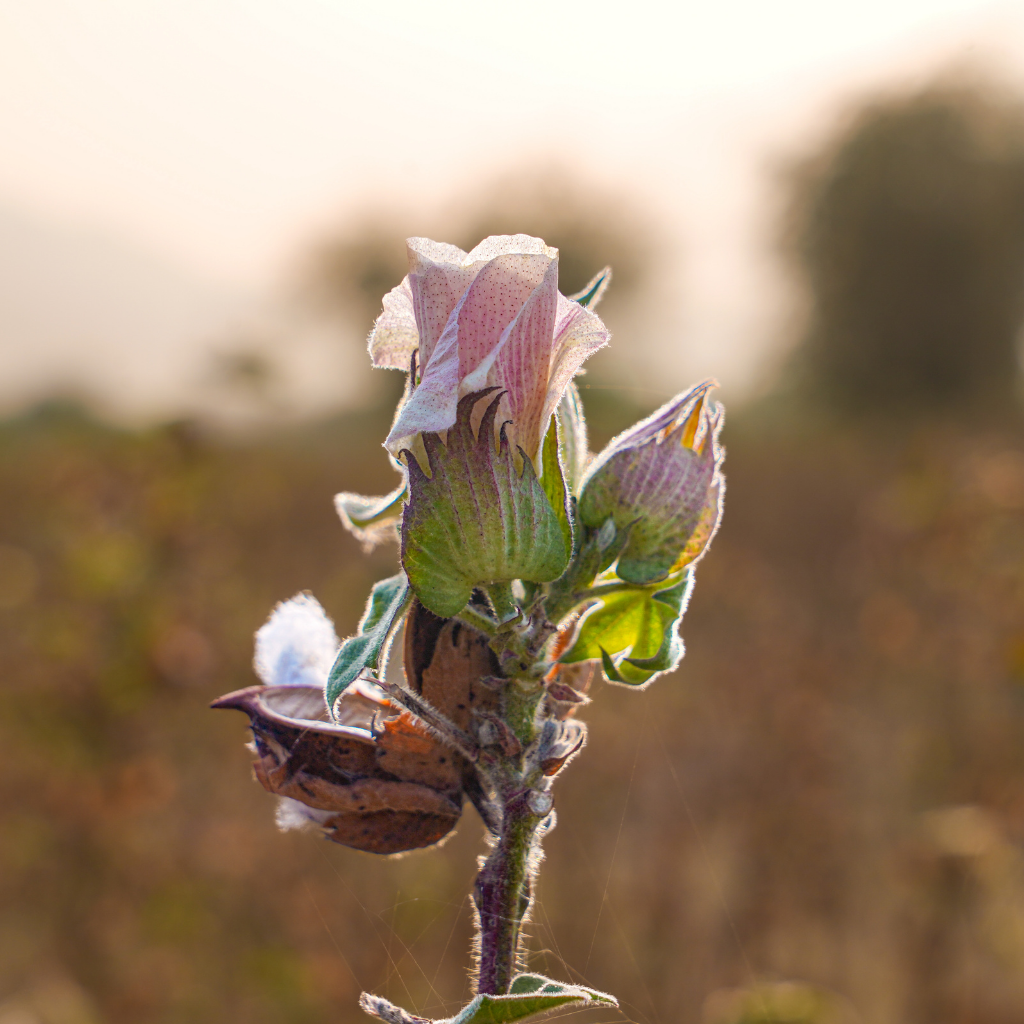
Collaboration at the core
A dedicated technical partner, SAWiE, has supported the initiative from the outset, guiding field implementation, coordinating testing, and ensuring quality assurance at every stage.
At the same time, four Implementing Partners — 360AGSearch, Soorty, RBDC, and Hyacinth — are leading seed multiplication efforts. These organisations bring valuable local knowledge, infrastructure, and technical capacity.
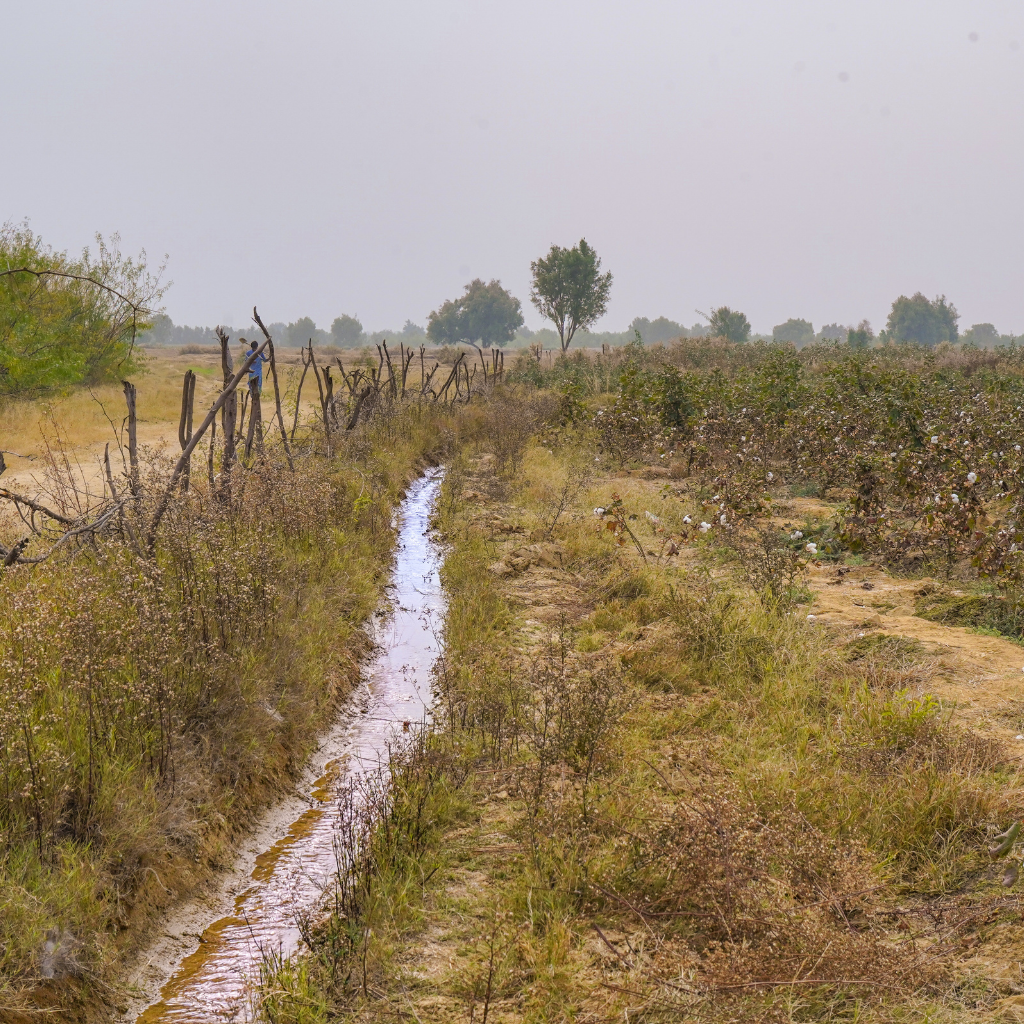
Importantly, the programme spans Pakistan’s three key cotton-producing provinces: Sindh, Punjab, and Balochistan. This allows solutions to be tested and refined across diverse agro-ecological conditions, covering the full range of the country’s cotton production landscapes.
How farmers benefit
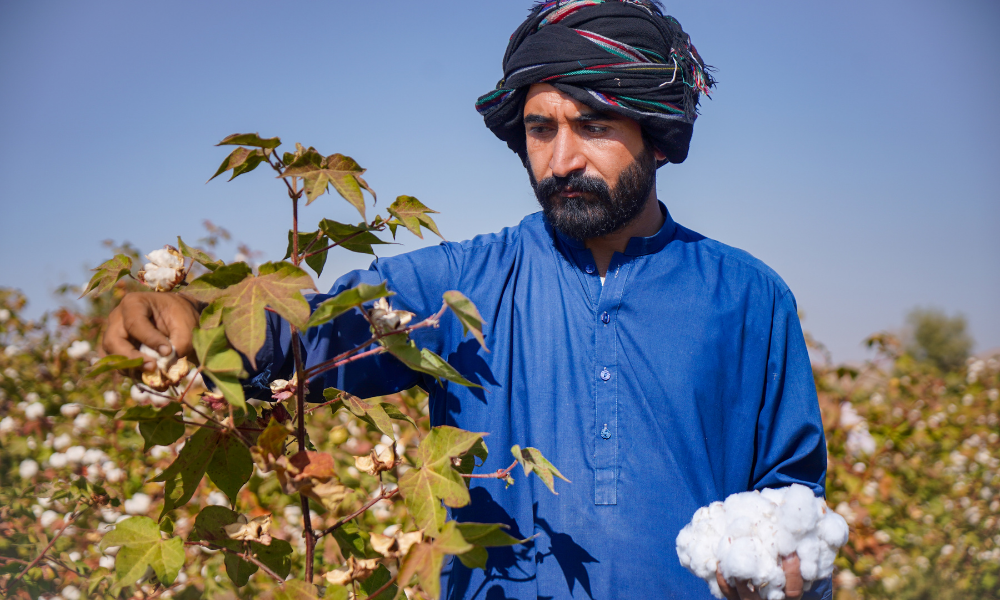
Farmers are central to the success of this initiative. Seed multiplication takes place on organically certified land, in line with non-GM production standards. Implementing Partners work directly with farmers through local agreements, integrating them into the seed production process.
This initiative creates an additional income stream for farmers while strengthening the integrity of the entire organic cotton system. As this initiative expands into its third year, farmer engagement will become even more critical, particularly as production scales beyond partner-owned land into wider farming communities.
From proof of concept to system change
The Seed Assurance initiative reflects OCA’s core role in strengthening the integrity of the organic cotton seed system in Pakistan by developing a transparent, science-based, and scalable approach for maintaining and ensuring non- GMO seed purity.
By safeguarding purity at the source, OCA and its partners have strengthened trust, traceability, and long-term sustainability across the entire organic cotton value chain. OCA remains committed to advancing this effort, recognising that a resilient organic cotton sector can only be achieved through coordinated action across the seed system, producers, and markets working together from the very foundation of the system.
On International Seeds Day, this initiative serves as a reminder: lasting change often begins with the smallest unit — in this case, a single seed — but requires coordinated effort across the entire system to truly take root and thrive.