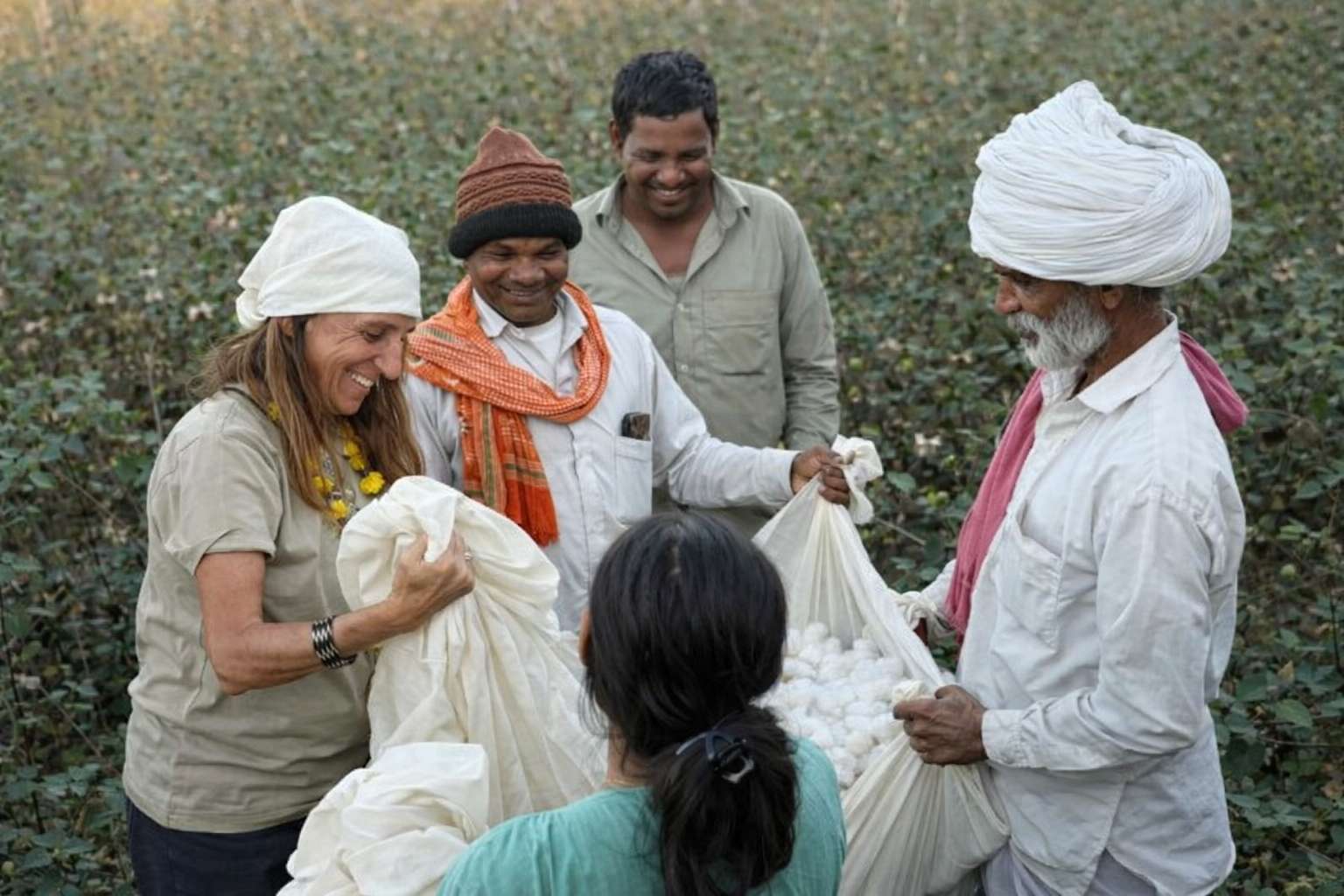
For many cotton farmers in India, the journey towards organic and regenerative farming is not a simple switch, but a gradual process shaped by soil, climate, risk and lived experience. Smallholder farmers are restoring the land while securing their livelihoods, often with limited resources and in the face of climate uncertainty. It is these journeys, with all their progress, challenges and learning, that were at the heart of the 2025 Regenerative Fund for Nature’s Learning Exchange hosted last December by the Organic Cotton Accelerator (OCA) in India.
The Regenerative Fund for Nature
In 2021, global luxury group Kering and Conservation International launched the Regenerative Fund for Nature. The purpose of the Fund is to help farmers transition to regenerative agricultural practices that work with nature, not against it, fostering social and environmental resiliency within these production systems. In 2023, Inditex, the parent company of Zara and six other global brands, joined the initiative, reinforcing its commitment to generating positive outcomes for people, nature, and the climate.
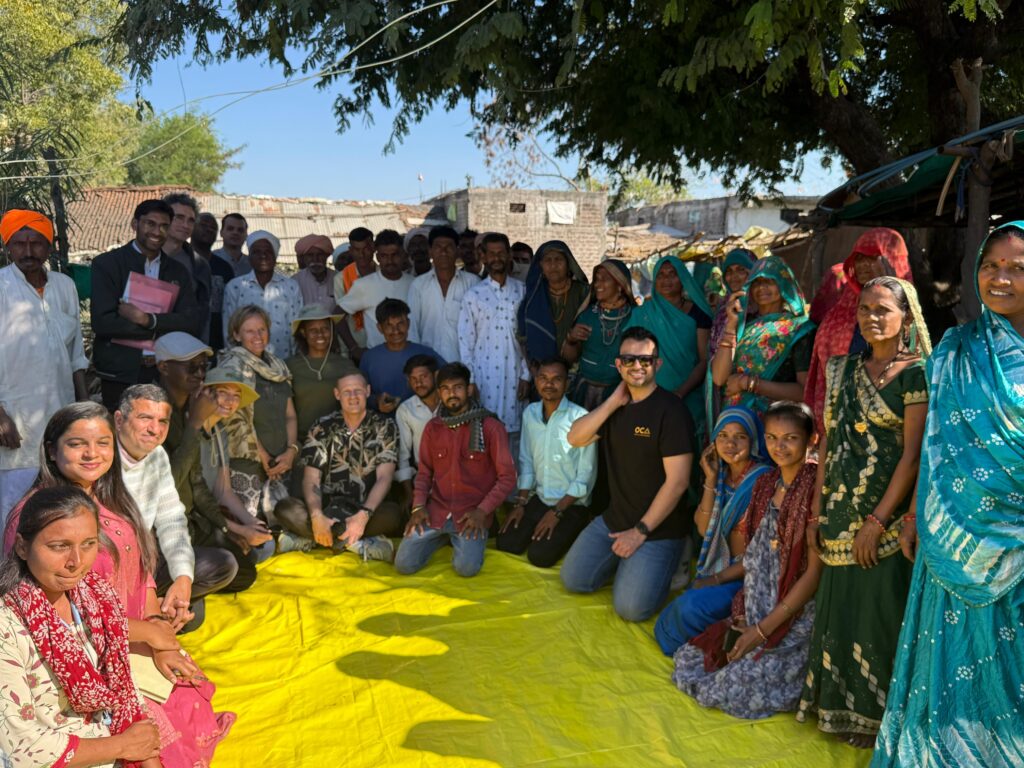
OCA is the first cotton initiative to be awarded funding from Regenerative Fund for Nature back in 2021 and today manages two initiatives under the fund in India and Pakistan. As part of this work, Conservation International invited OCA to host the 2025 Learning Exchange in India, bringing together project implementers from across the Fund’s portfolio for a week of peer learning, knowledge sharing and field-based engagement.
“We are very proud of the collaboration with the Regenerative Fund for Nature,” said Bart Vollaard, Executive Director of OCA. “It has enabled the farmers we work with to go beyond the minimum requirements of organic certification and significantly strengthen the adoption of regenerative practices. Through this partnership, we have been able to embed these practices more deeply into our training curricula, establish a strong network of demonstration farms, and pilot new ways of measuring real-world impact — including greenhouse gas emissions reduction and removal accounting. These advances are not temporary; they are now a lasting part of how we work.”
“The Regenerative Fund for Nature’s annual Learning Exchange event is a unique opportunity to bring together conservationists from different production systems to share best practices and scale impact across continents. It aligns with Conservation International’s mission to deliver positive outcomes for people, nature and climate.” – Jim Fitzpatrick, Director, Regenerative Fund for Nature at Conservation International.
From field to fashion
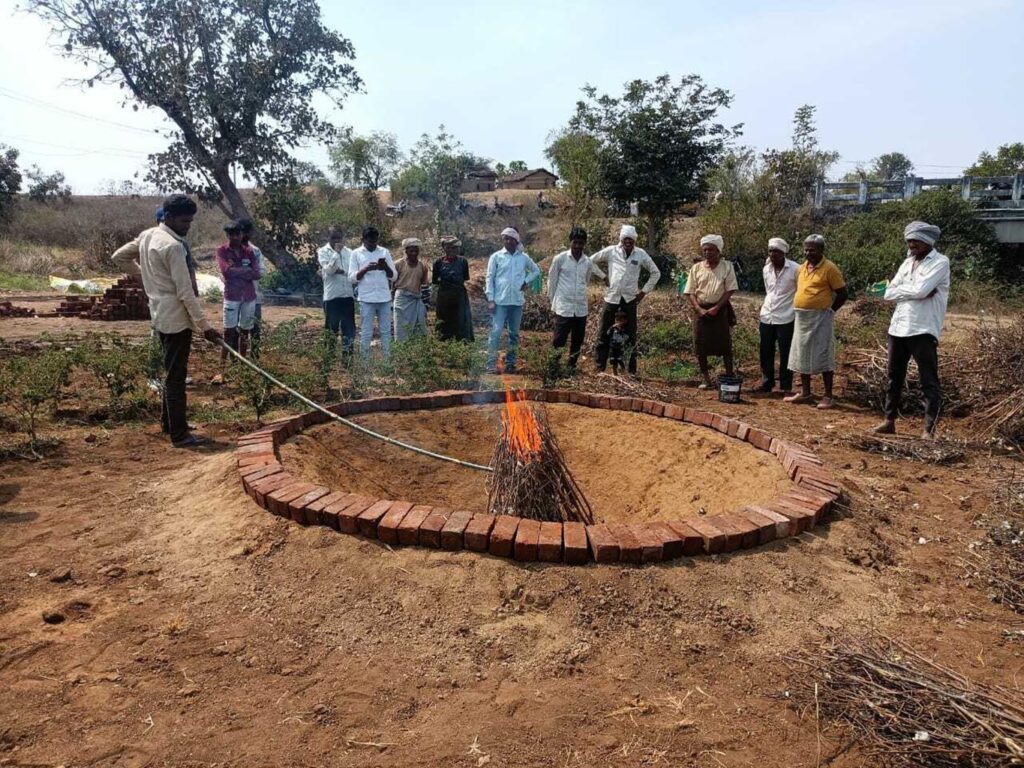
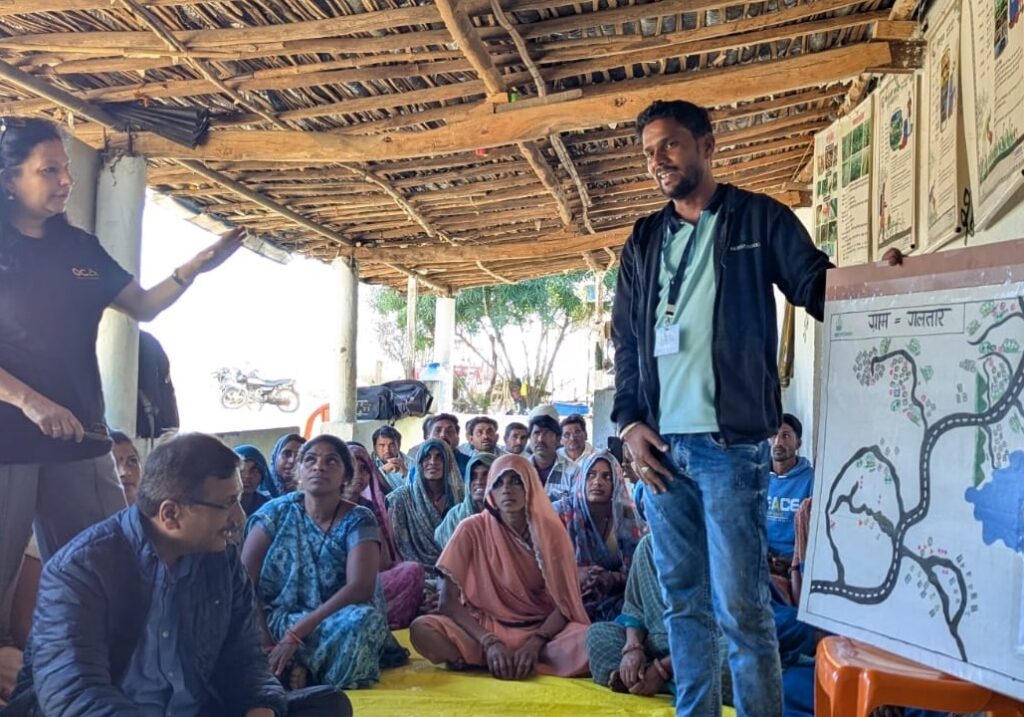
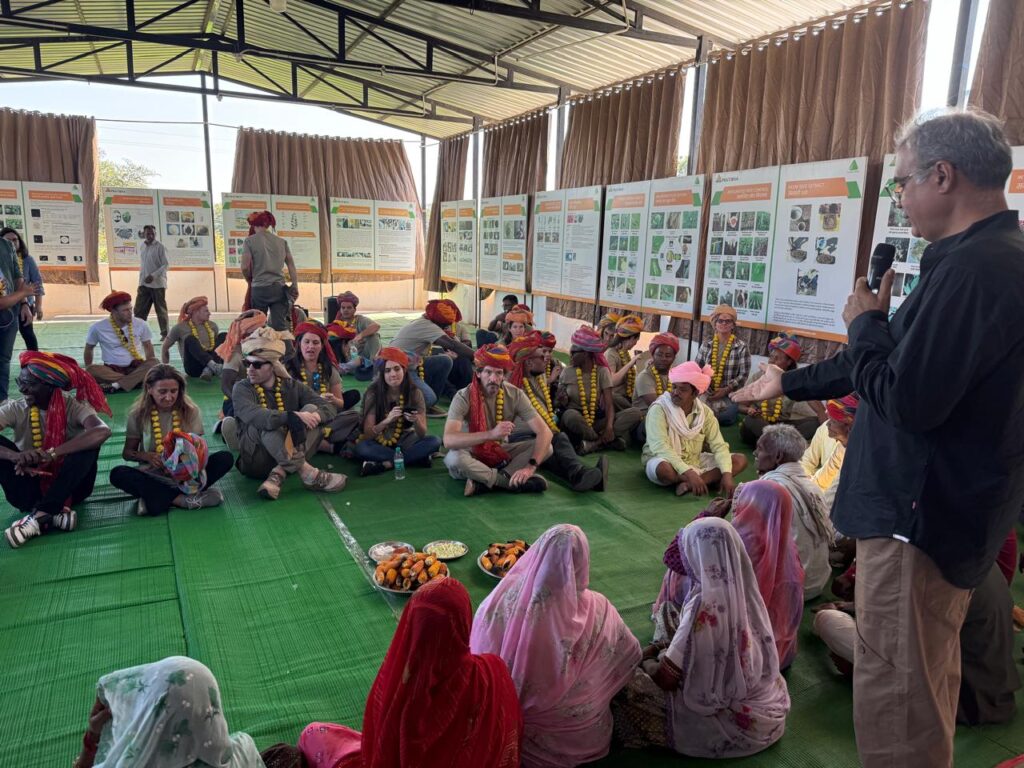
The Learning Exchange provided a first-hand view of OCA’s organic and regenerative cotton projects in India, alongside cross-learning opportunities from regenerative natural fibre projects and conservation enterprises from across the world. Through a series of field visits, OCA shared practical insights into both the progress being made and the challenges smallholder farmers continue to face as they transition from conventional to organic cotton production. As part of the Learning Exchange, OCA showcased how these efforts are sustained through local solutions, community engagement and capacity building. Detailed discussions with farmers reflected on the need for steady access to markets and premium rates to scale practices at the farm level.
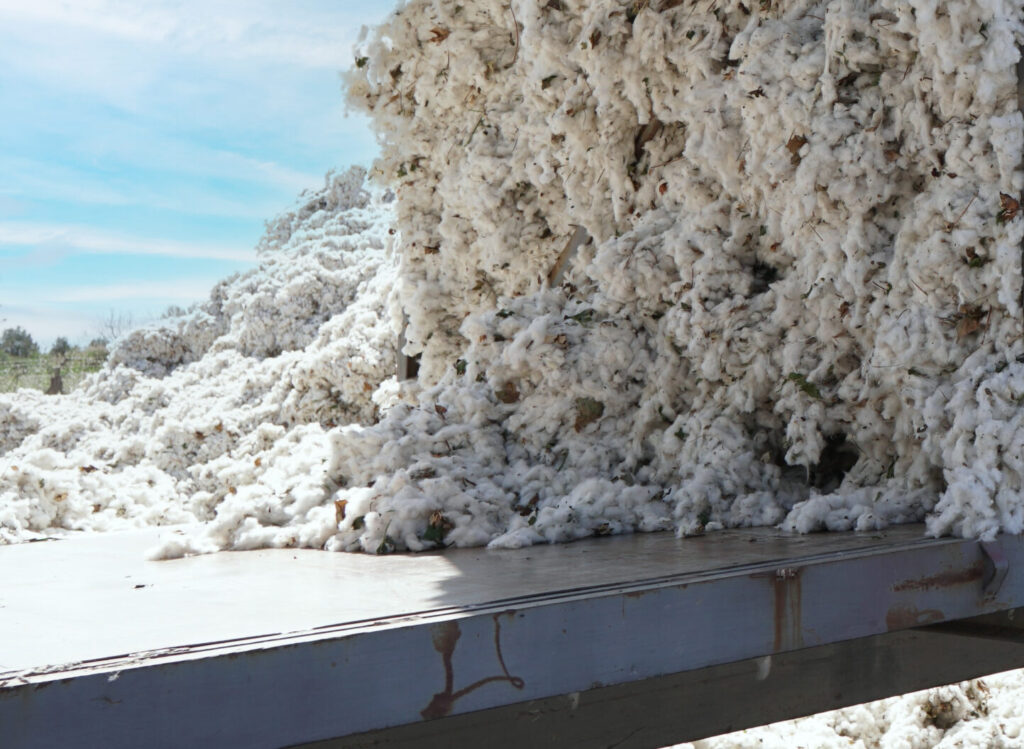
The 2025 Learning Exchange followed the organic cotton journey from field to fashion, highlighting the people, processes and innovations that contribute to a more resilient and regenerative supply chain.
By connecting farm-level practice with global supply chains, the Learning Exchange demonstrates how regenerative and organic cotton can deliver positive outcomes for nature, farmers and the wider textile sector. In hosting the Regenerative Fund for Nature’s 2025 Learning Exchange, OCA contributes to shared learning across regions, commodities and organisations, while reinforcing the role of regenerative organic farming in building a more resilient future for cotton.
“I truly enjoyed hosting the Learning Exchange and welcoming this inspiring group of professionals from across the globe, spanning natural fibres and nature conservation. Learning from their insights and observations, and seeing the appreciation this visit conveyed to our farmers and local partners for their outstanding work, made hosting the 2025 Learning Exchange in India a very meaningful experience,” added Bart Vollaard.
Regenerative and organic: OCA’s integrated approach
OCA currently operates across five states in India: Odisha, Maharashtra, Madhya Pradesh, Gujarat and Rajasthan. These diverse farming contexts offer a strong foundation for shared learning on soil health, biodiversity, climate resilience and farmer livelihoods.
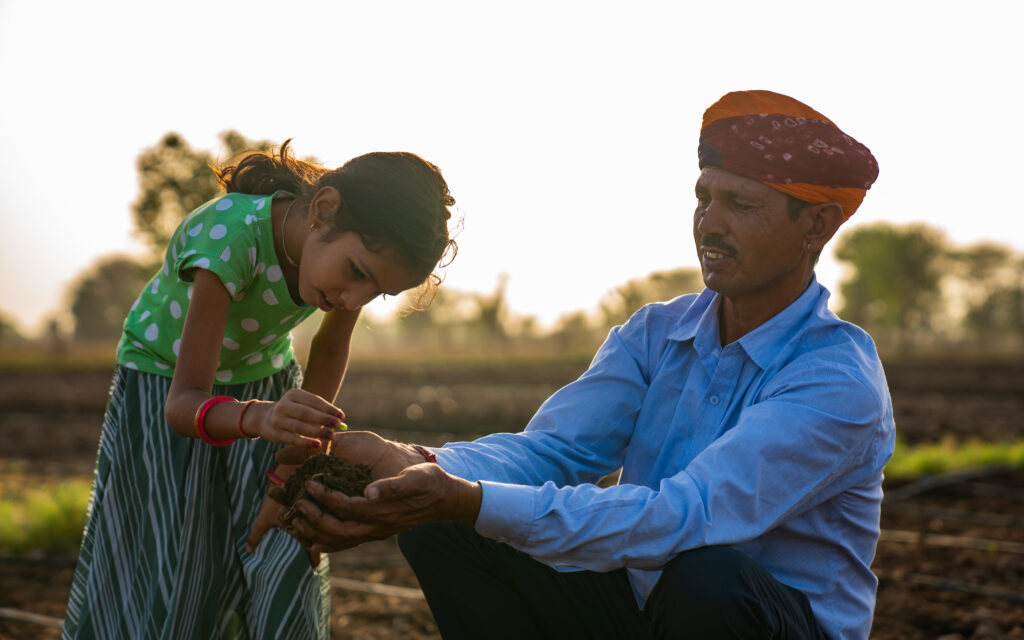
By combining organic and regenerative practices, OCA offers a holistic approach to cotton farming. This synergy results in healthier soils, increased biodiversity, and significant contributions to climate change mitigation. By adopting these practices, farmers can ensure sustainable production while preserving natural resources for future generations. OCA is at the forefront of incorporating innovative practices within its organic cotton projects. Through initiatives such as capacity building and demonstration plots, OCA helps farmers adopt up to 20 regenerative and organic practices that enhance soil health and biodiversity.